
Brooklyn’s Hip-Hop Homecoming — and Its Uncertain Future
For the better part of two decades, the Brooklyn Hip-Hop Festival stood as the borough’s definitive celebration of the culture that changed the world. Founded in 2005 by Wes Jackson and The Bodega Agency, the festival transformed Brooklyn Bridge Park into a sprawling tribute to lyricism, community, and the four pillars of hip-hop — with the Manhattan skyline serving as the most dramatic backdrop any MC could ask for.
At its peak, the festival drew upwards of 30,000 fans to the waterfront, anchoring a full week of programming that extended well beyond the main stage. Film screenings, panel discussions, DJ showcases, and community-focused events radiated through the borough in the days leading up to the Saturday headliner set. The lineup read like a living history of New York rap: Talib Kweli, dead prez, Big Daddy Kane, Rakim, and Black Star all graced the stage across various editions. This was never a festival content to chase whatever name was trending on streaming platforms. It was built on reverence for the art form.
A Festival Built on Culture, Not Commerce
What separated the Brooklyn Hip-Hop Festival from the corporate festival circuit was its insistence on authenticity. Jackson conceived the event as a community gathering first and a concert second. Free programming was woven throughout the week. Local artists shared bills with legends. The emphasis was on hip-hop as a living culture — graffiti, breakdancing, turntablism, and MCing all represented — rather than hip-hop as a product to be packaged and sold.
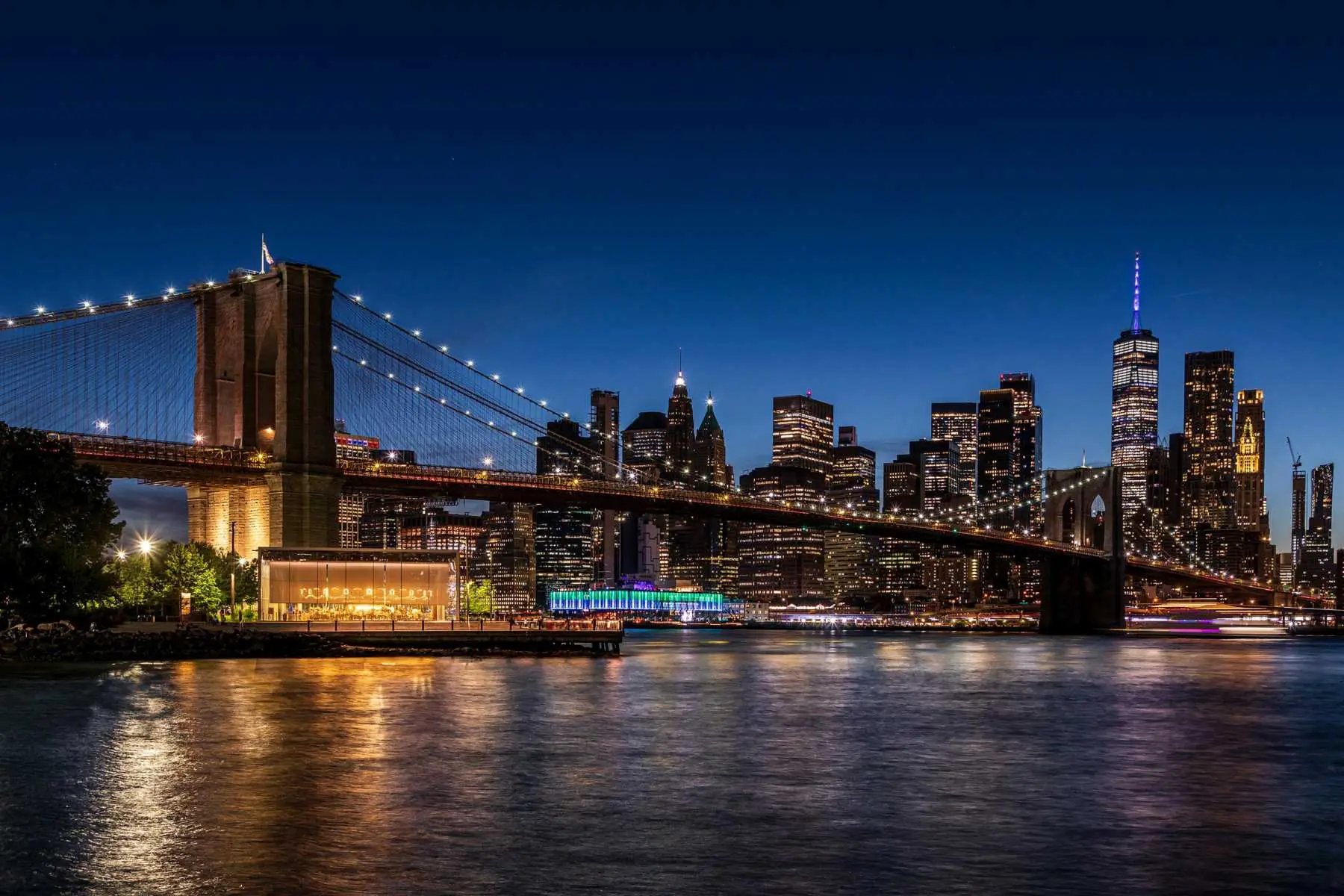
The festival’s location at Brooklyn Bridge Park amplified that ethos. Attendees stood on the waterfront with the East River at their backs and the towers of Lower Manhattan filling the horizon. There is no stage design in the world that competes with that view at golden hour. The setting gave even familiar performances a cinematic quality that indoor venues simply cannot replicate.
The COVID Pause and an Uncertain Return
The festival entered hiatus around 2019, and the COVID-19 pandemic extended that silence indefinitely. As of 2026, no official edition has been confirmed since the pre-pandemic era. Social media accounts remain active but have not announced dates, lineups, or ticketing for a revival. NYC Tourism lists the event as a past attraction without future scheduling.
A listing for a “Brooklyn Hip-Hop Festival Finale Concert” has appeared on secondary ticketing platforms, though its connection to the original festival’s format and organizers remains unclear. It may represent a branded event rather than a full-scale return to the multi-day, multi-pillar celebration that defined the festival’s identity.
Why It Still Matters
The Brooklyn Hip-Hop Festival’s absence leaves a visible gap in New York’s cultural calendar. In an era when hip-hop dominates global music consumption, the city where it was born lacks a dedicated, community-rooted festival celebrating the genre’s full scope. Governors Ball books rappers. Rolling Loud packs stadiums. But neither occupies the space Jackson carved out — one where the culture itself, not just the music, is the headliner.
For Upstate New York music fans, the festival was always worth the drive south. Whether it returns in its original form, evolves into something new, or remains a cherished memory, the Brooklyn Hip-Hop Festival proved that a borough can throw a party worthy of the art form it helped create. The skyline is still there. The stage is still waiting.