Geneva sits at the northern tip of Seneca Lake, a small city with a big personality and one of the most impressive music festivals you have probably never heard of. The Geneva Music Festival has been quietly building something extraordinary since 2011, when hometown violinist Geoffrey Herd staged a two-concert weekend and a day of free school performances in the local district. That modest beginning has grown into a four-week celebration that brings Grammy-winning artists across classical, jazz, bluegrass, and Americana to intimate venues throughout the city. In 2026, the festival runs May 19 through June 14, and its theme — America the Beautiful: Finger Lakes Edition — celebrates the nation’s 250th anniversary through the lens of the region it calls home.
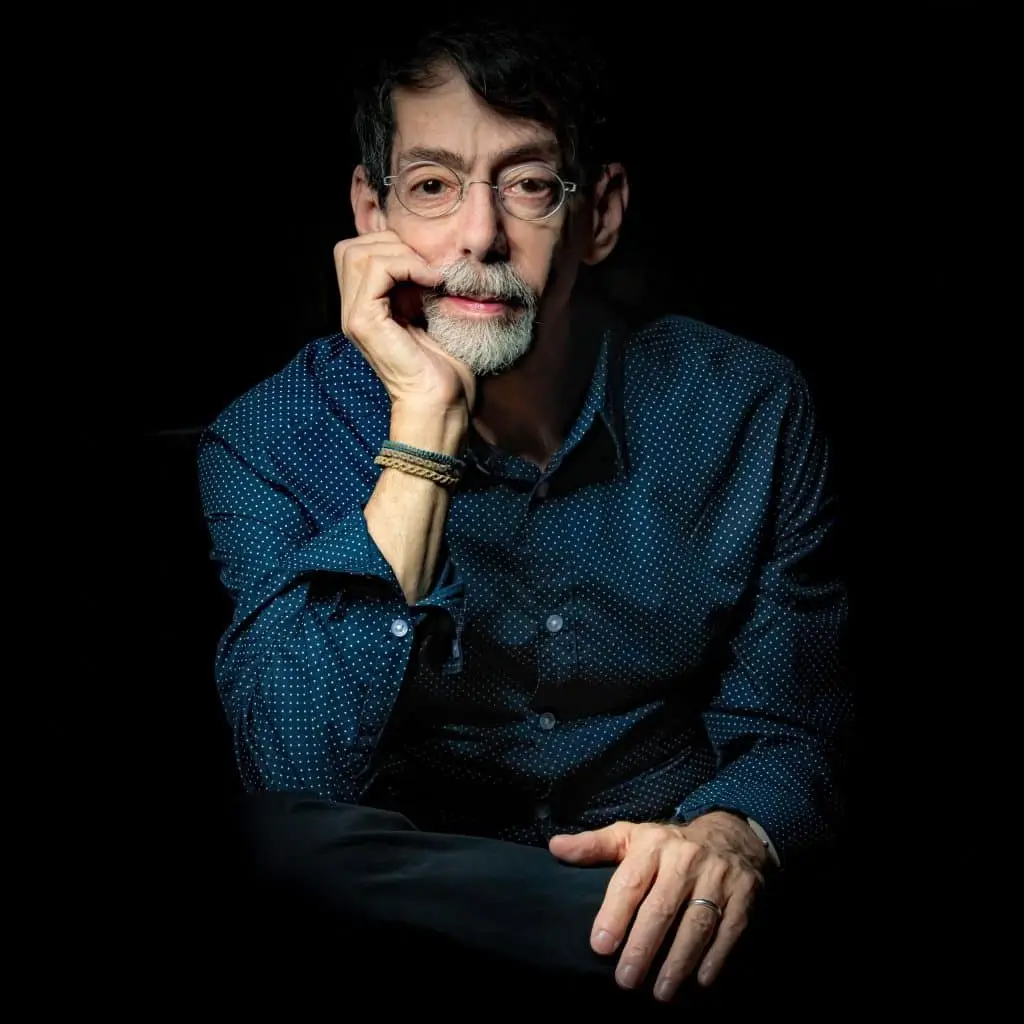
The expansion to four weeks is a milestone that reflects both the festival’s artistic ambition and the community’s appetite for world-class music in an accessible setting. What Herd and his team have built is something rare: a festival that programs at the highest level while maintaining the warmth and intimacy of a community event. The performers are faculty from Juilliard, Yale, the Colburn School, and the Cleveland Institute of Music. They are members of the Lincoln Center Chamber Music Society. They are Grammy winners. And they are performing in Geneva’s churches, wine cellars, and arts centers for audiences that include both classical music devotees and neighbors who wandered in because the door was open.
The Music
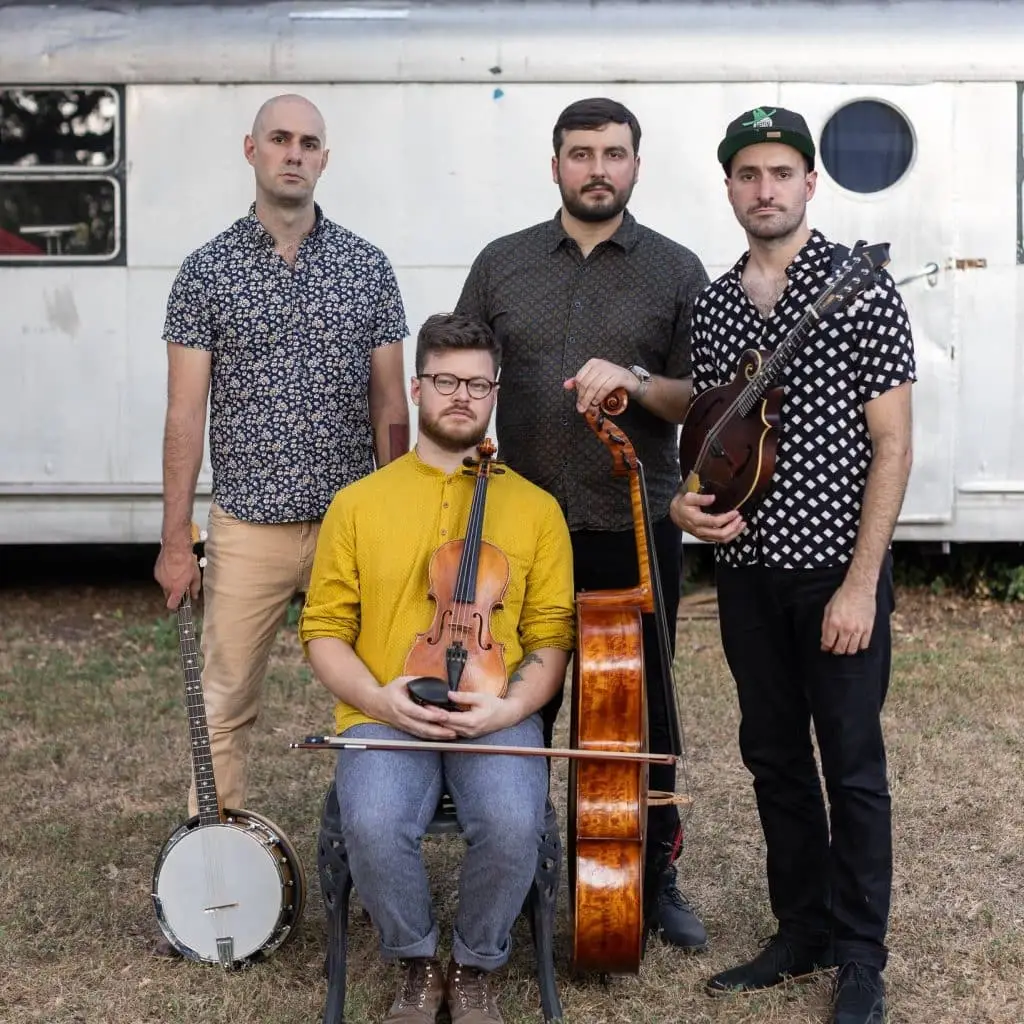
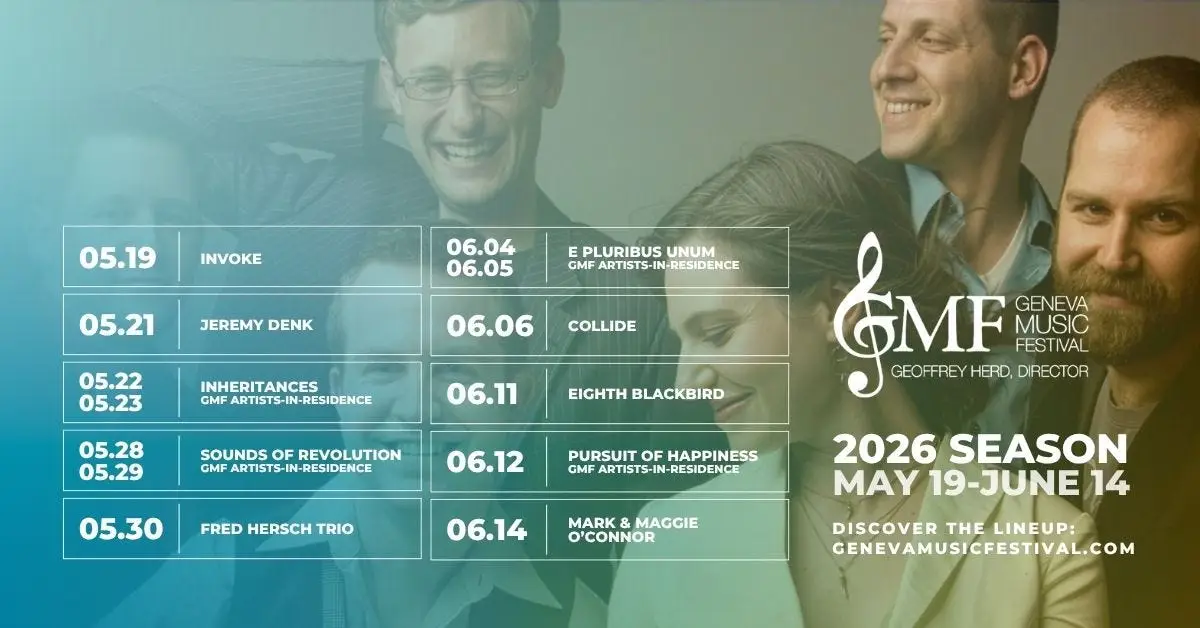
The 2026 season is the most ambitious in the festival’s 15-year history. The headline addition is the Fred Hersch Trio, one of the most acclaimed names in jazz — a booking that signals the festival’s growing confidence in programming beyond its classical roots. Grammy-winning fiddler Mark O’Connor and Maggie O’Connor bring their celebrated fiddle virtuosity, bridging the worlds of classical technique and American roots music. GRAMMY-winning new music ensemble Eighth Blackbird brings their boundary-crossing approach to contemporary chamber music, representing the highest tier of performance in the festival’s June run.
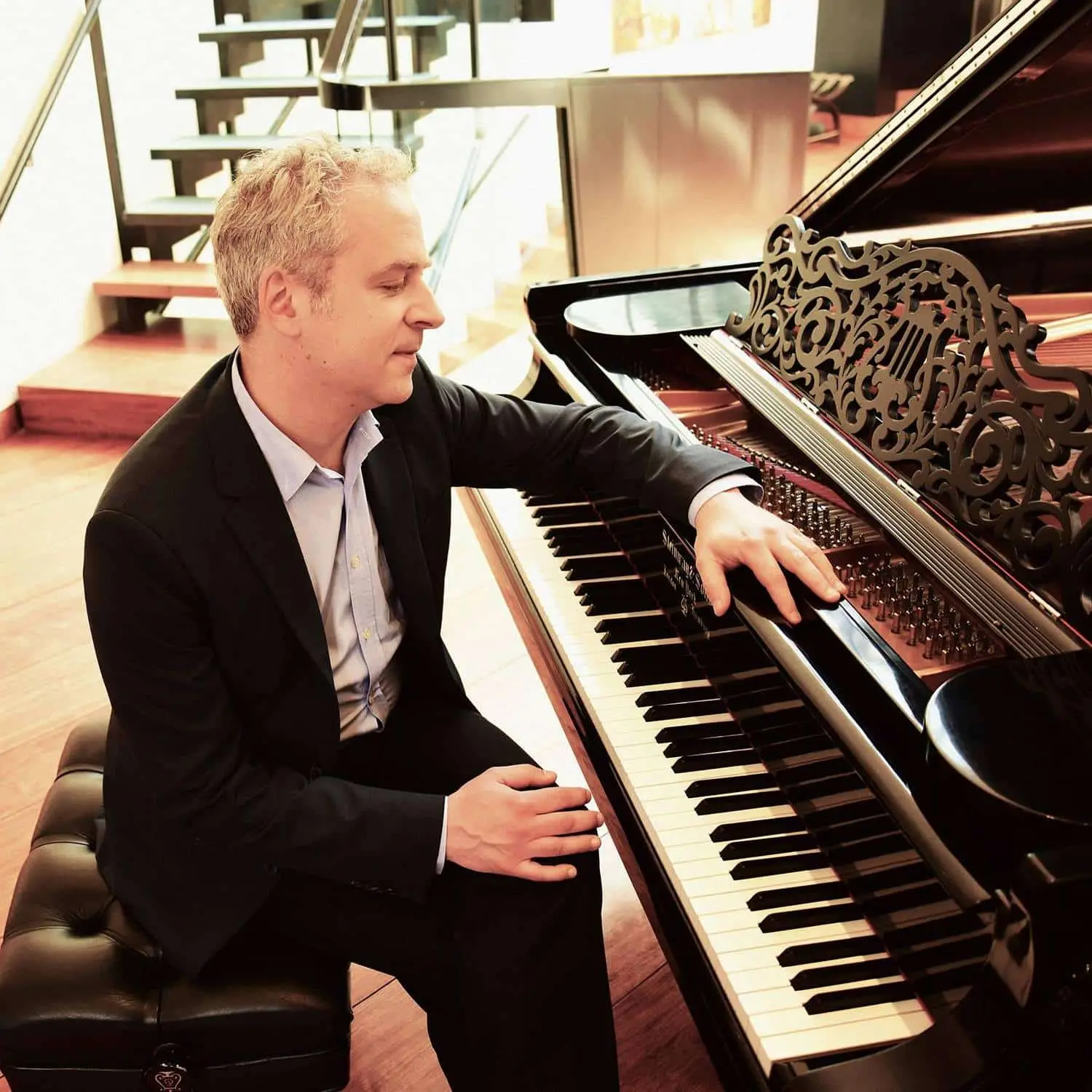
Returning favorites include violinist Jinjoo Cho, pianist Henry Kramer, and violist Masumi Rostad — artists who have become fixtures of the festival and whose familiarity with each other produces the kind of ensemble chemistry that takes years to develop. The mix of returning artists and new additions keeps the programming fresh while maintaining the continuity that gives the festival its distinctive character.
The genre range is one of the festival’s greatest strengths. A single week might include a classical piano recital, a jazz trio performance, a bluegrass fusion set, contemporary chamber music, and an Americana fiddle performance. The 2026 theme — America the Beautiful — provides a conceptual framework that ties these diverse programs together, exploring what American music means through performances that span from the classical canon to living traditions of folk and roots music.
Free pop-up performances are scattered throughout the four-week run, bringing music to unexpected locations around Geneva. These pop-ups are part of the festival’s community engagement strategy and serve as invitations to people who might not otherwise attend a formal concert. Hearing a world-class violinist in a public park or a jazz trio at a local coffee shop breaks down the barriers that can make classical and jazz music feel intimidating, and it creates the kind of serendipitous musical encounter that stays with you.
The Experience
Geneva is a city of roughly 13,000 people, which means the festival’s impact on the community is proportionally enormous. During the four-week run, you cannot walk through downtown without encountering the festival in some form — a concert poster in a shop window, a pop-up performance in a park, a dinner conversation at a local restaurant about the show everyone saw last night. The festival does not exist alongside the city; it becomes part of the city’s daily rhythm.
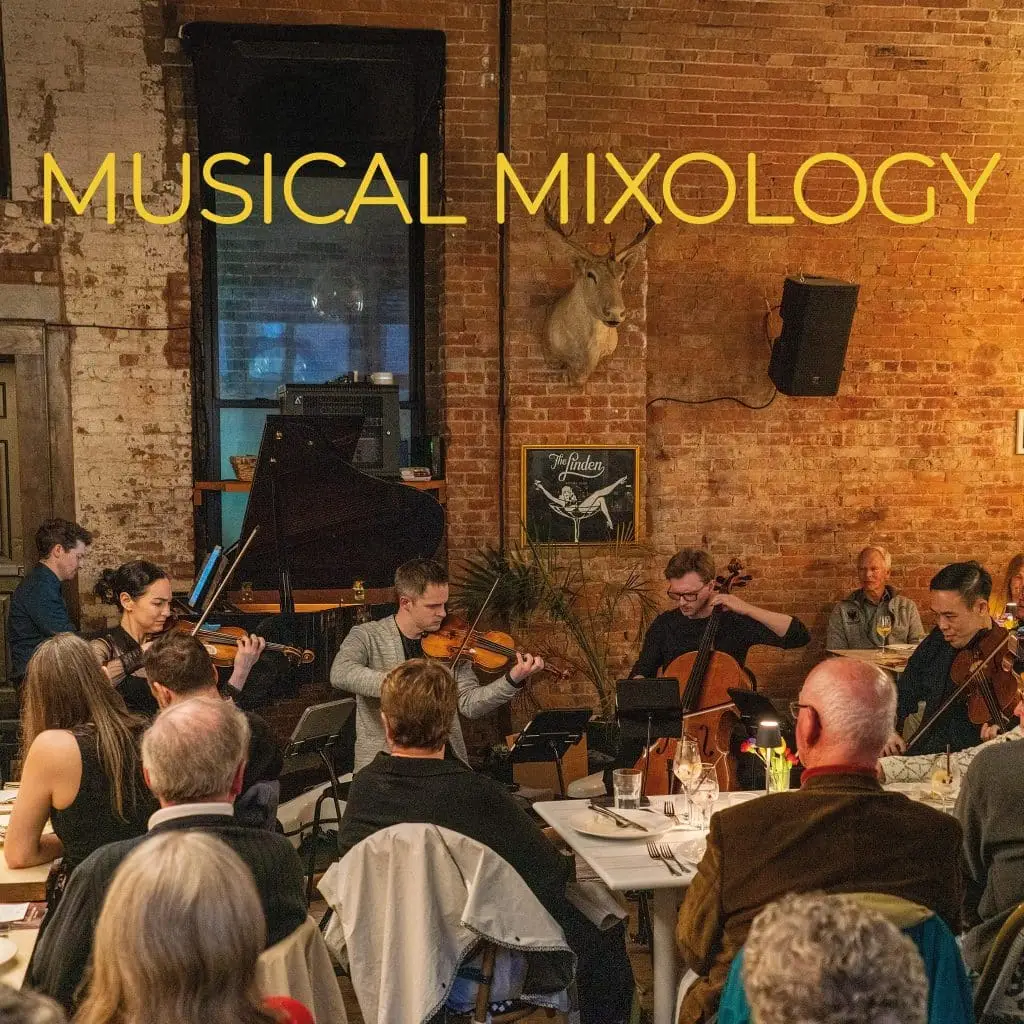
The venues are a significant part of the experience. Rather than building a temporary festival infrastructure, the Geneva Music Festival uses existing spaces throughout the city — the Gearan Center for the Performing Arts at Hobart and William Smith Colleges, the Presbyterian Church, the Cracker Factory, Linden Social Club, and even wine cellars at Ravines Wine Cellars. Each venue brings its own acoustic character and atmosphere, and the programming is matched to the space. A contemplative solo recital in a church feels completely different from a jazz trio in a wine cellar, and the festival’s ability to curate those pairings is a sign of real artistic sophistication.
Tickets are $40 per concert, with student tickets at $10 and youth 18 and under free. Those prices are remarkably accessible for the caliber of performance, and the free pop-up events lower the barrier to entry even further. The festival’s commitment to accessibility is genuine and practical — this is not an event that prices out the community it serves.
Geneva’s location at the top of Seneca Lake places the festival at the gateway to one of the country’s premier wine regions. Many attendees combine concert visits with winery tours, lakeside dining, and exploration of the surrounding Finger Lakes countryside. The city itself has a growing restaurant scene, several excellent local breweries and distilleries, and the kind of small-city walkability that makes an evening of dinner and a concert effortlessly enjoyable.
Getting There & Know Before You Go
Geneva is located on Route 20 at the northern tip of Seneca Lake, about 50 miles southeast of Rochester and 60 miles southwest of Syracuse. From the New York State Thruway, take Exit 42 (Geneva) and follow Route 14 South into town. The city is compact and walkable, with most festival venues within a short distance of each other.
The four-week run means you do not need to plan a single intensive visit. Many local attendees pick and choose concerts across the month, building their own mini-festival from the full schedule. For visitors coming from out of town, a weekend trip that includes two or three concerts, a winery visit, and a dinner or two in Geneva offers an exceptional Finger Lakes experience at a very reasonable cost.
Accommodations in Geneva include several hotels, bed-and-breakfasts, and vacation rentals. The surrounding Finger Lakes region offers additional options in Canandaigua, Penn Yan, and Watkins Glen. Given that the festival spans four weeks, lodging is generally easier to find than at concentrated weekend festivals.
Why This Festival Matters
The Geneva Music Festival matters because it demonstrates what is possible when a small city commits to world-class arts programming. From a two-concert weekend in 2011 to a four-week festival in 2026, it has grown by doing something deceptively simple — presenting extraordinary music in beautiful settings and making it accessible to everyone. Geoffrey Herd’s vision of bringing the highest level of performance to his hometown has succeeded beyond what anyone might have predicted, and the result is a festival that enriches Geneva’s identity while drawing visitors from across the region.
For the Finger Lakes and Upstate New York, Geneva Music Festival is a model for how arts organizations can thrive outside major metropolitan areas. The talent on these stages rivals what you would find in Manhattan or Boston, but the setting, the pricing, and the human scale of the experience make it fundamentally different — and, for many listeners, fundamentally better. Great music in a small city on a beautiful lake, with a glass of Finger Lakes wine nearby. That is a hard combination to beat.