
Seventy-Five Years of Serkin’s Impossible Idea
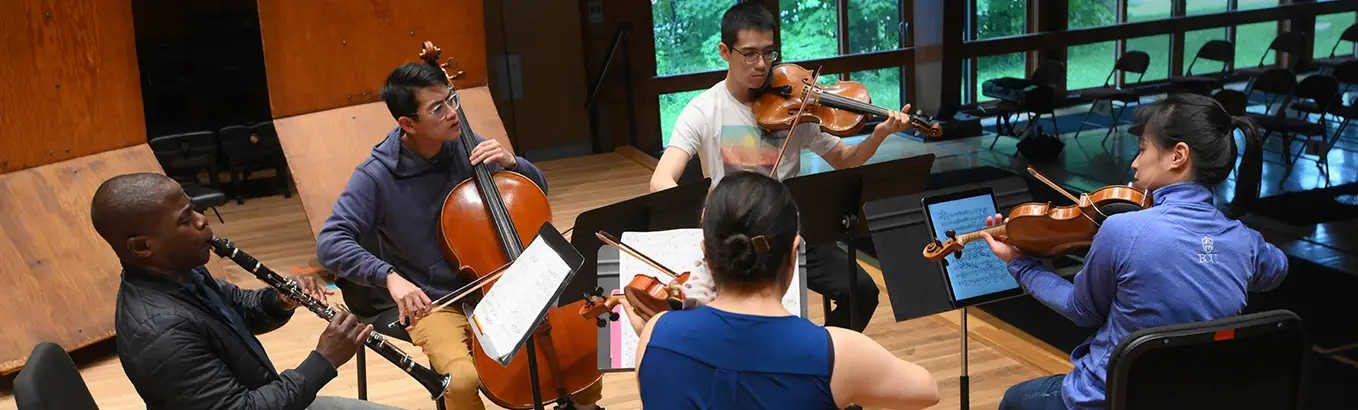
In 1951, Rudolf Serkin and Adolf Busch did something that the classical music establishment considered either visionary or insane: they gathered a small group of elite musicians on a hillside in southern Vermont and told them to rehearse until they were ready to perform. No fixed schedule. No opening night pressure. No audience until the music warranted one. The Marlboro Music Festival was built on the premise that great chamber music cannot be rushed — that it must be grown, in private, among equals, and offered to the public only when it has achieved something worth hearing.
Seventy-five years later, that model has not changed. The 2026 season runs July 18 through August 16 at Marlboro College in the village of Marlboro, Vermont, and the format remains deliberately, stubbornly unchanged. Musicians arrive weeks before the first concert. They rehearse in combinations chosen by artistic directors, not marketing teams. Programs are announced just one week in advance — by design, not by disorganization. The music is ready when it’s ready.
The Residency That Built an Industry
To understand Marlboro’s influence, look at where its alumni end up. The principal chairs of the world’s major orchestras. The faculty rosters of Juilliard, Curtis, the New England Conservatory. The founding members of ensembles that have shaped chamber music for decades — the Guarneri Quartet, the Beaux Arts Trio, the Emerson String Quartet. Marlboro is not a summer festival in the way that most festivals use the word. It is a residency, a laboratory, and a proving ground that has quietly populated the highest levels of classical music for three-quarters of a century.
The concert hall seats roughly six hundred. That intimacy is not a limitation — it is the entire point. Chamber music was composed for rooms, not arenas, and Marlboro’s scale preserves the relationship between performer and listener that the music demands.
Three Hours to the Hilltop
Marlboro sits in southern Vermont’s Green Mountains, about three hours east of the Capital Region via Route 9. The drive crosses the Berkshires and climbs into the kind of forested quiet that feels earned by the time you arrive. There is no camping, no multi-stage sprawl, no festival village. There is a hillside, a hall, and music performed at a level that most audiences encounter only on recordings.
Seventy-five years of Serkin’s impossible idea, still proving itself every summer. In a culture addicted to speed and spectacle, Marlboro remains the most compelling argument that patience is not just a virtue but an art form.