
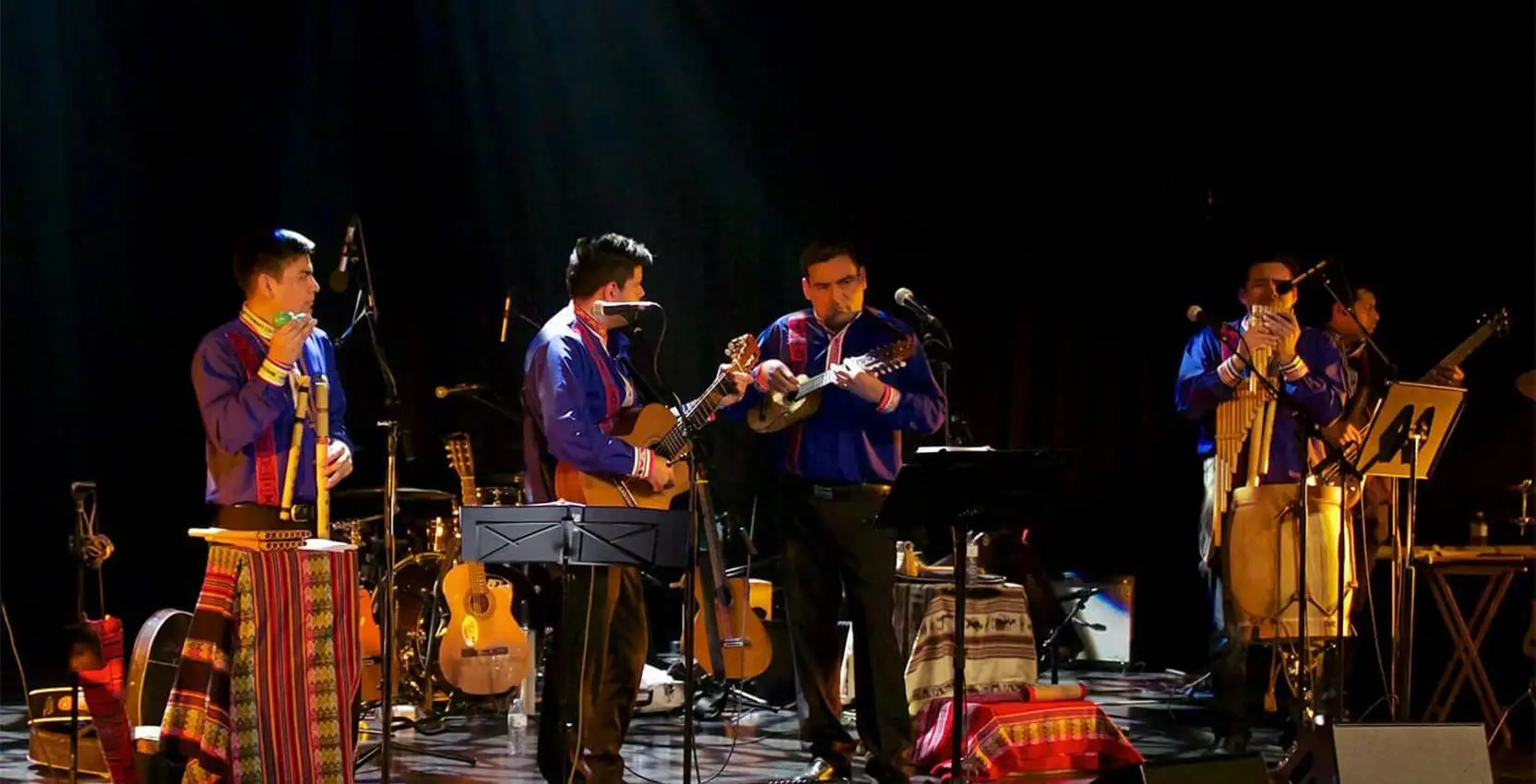
For thirteen days each July, the Quartier des Spectacles in Montreal becomes the site of something that has no equivalent anywhere else on the continent. Festival International Nuits d’Afrique has been presenting African, Caribbean, and Latin music since 1987, and in nearly four decades it has built something that transcends the festival format — a cultural institution that connects Montreal to the global African diaspora through the irreducible medium of rhythm.
Nearly Four Decades of Connection
Founded in 1987, Nuits d’Afrique predates the current wave of world-music festivals by more than a decade. Its longevity reflects both the depth of Montreal’s diasporic communities and the festival’s sustained commitment to programming that treats African and Caribbean musical traditions as living art forms rather than ethnographic curiosities. The July 7-19 run unfolds across free outdoor stages in the Quartier des Spectacles and ticketed shows at Club Balattou and other indoor venues, creating a two-week immersion in sounds that span the African continent, the Caribbean basin, and the Latin American traditions that share common roots.
The Programming Spectrum
A single evening at Nuits d’Afrique might move from Malian desert blues to Haitian kompa to Colombian cumbia to Congolese soukous, and the transitions feel natural because the festival has spent decades building an audience that understands these musics as branches of a single tree. The headliners draw from the international touring circuit — artists who fill concert halls across Europe and Africa but rarely appear in North American festival settings. The undercard features Montreal-based artists from the city’s Haitian, West African, Maghreb, and Latin American communities, performers whose regular audiences know them well but who rarely receive the platform a major festival provides.
The Free Outdoor Stages
The outdoor programming in the Quartier des Spectacles operates on the same model as Les Francos and the Jazz Festival — free, open to the public, and designed to fill Montreal’s purpose-built performance plazas with music every evening for the festival’s duration. The crowds are among the most diverse you will find at any North American music event, reflecting both the festival’s audience and the city’s demographics. Dancing is not optional. The music demands physical response, and the outdoor stages generate the kind of collective movement that transforms a public square into a dance floor without anyone needing to announce the transition.
Cultural Weight
Nuits d’Afrique carries a significance that extends beyond entertainment. For Montreal’s African and Caribbean communities, the festival is a point of cultural visibility and pride — thirteen days when their musical traditions occupy the city’s most prominent performance spaces. For all attendees, it offers an encounter with artistic traditions that most North American festival circuits ignore entirely. The depth of talent on display is staggering, and the realization that most of these artists will never appear at a Bonnaroo or Lollapalooza says more about those festivals’ limitations than about the music itself.
The Northway North
Three hours from the Capital Region. Thirteen days of programming. Free outdoor stages every night. Nuits d’Afrique asks nothing of the Upstate traveler except a willingness to expand the boundaries of what a music festival can be. The reward is an encounter with some of the most vital, joyful, and technically accomplished music being made anywhere on the planet, presented in a city that has been listening for nearly forty years.