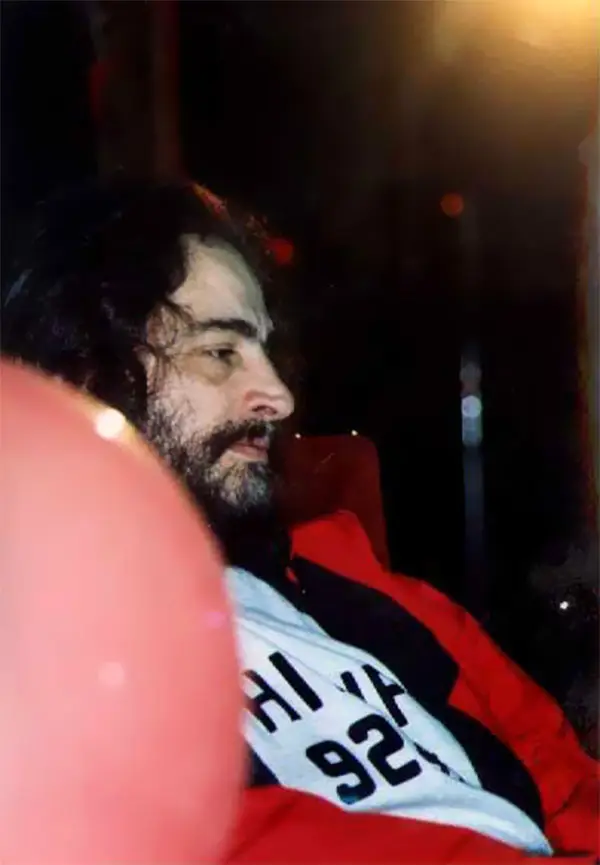
David Mancuso was born on October 20, 1944, in Utica, New York. He spent part of his early childhood in a Catholic orphanage there, where communal rituals and the shared experience of music left an indelible imprint on his philosophy. At 16, he moved to New York City and immersed himself in the 1960s counterculture. What he built next changed the course of popular music.
Love Saves the Day
On Valentine’s Day 1970, Mancuso threw a party at his loft apartment at 647 Broadway in Manhattan. He called it “Love Saves the Day.” There was no alcohol for sale. No bouncers deciding who got in. No DJ performing for the crowd. Instead, Mancuso played records on an audiophile-grade sound system — full tracks, not remixed or blended — for an invitation-only gathering that was radically inclusive across race, gender, and sexual orientation. The Loft, as it became known, was the template for everything that followed.
The Architect of Dance Culture
By rejecting the commercial nightclub model — no liquor license, no cover charge, no VIP rope — Mancuso created a space where the music was the only product. His meticulous approach to sound reproduction, his insistence on playing songs in full rather than beat-matching, and his creation of early record pools for DJs established the philosophical foundation of dance music culture. He mentored Larry Levan, whose Paradise Garage became the Loft’s spiritual successor, and his influence extends through the Chicago house and Detroit techno movements via figures who attended or studied his methods.
Recognition
Mancuso was inducted into the Dance Music Hall of Fame in 2005. He hosted Loft events for over four decades, never wavering from his original vision of music as communal experience rather than commercial spectacle.
Legacy
David Mancuso died on November 14, 2016, at age 72 in New York City. Every modern dance party, from warehouse raves to superclub events, exists downstream of what a kid from a Utica orphanage started in a Manhattan loft on Valentine’s Day, 1970.