
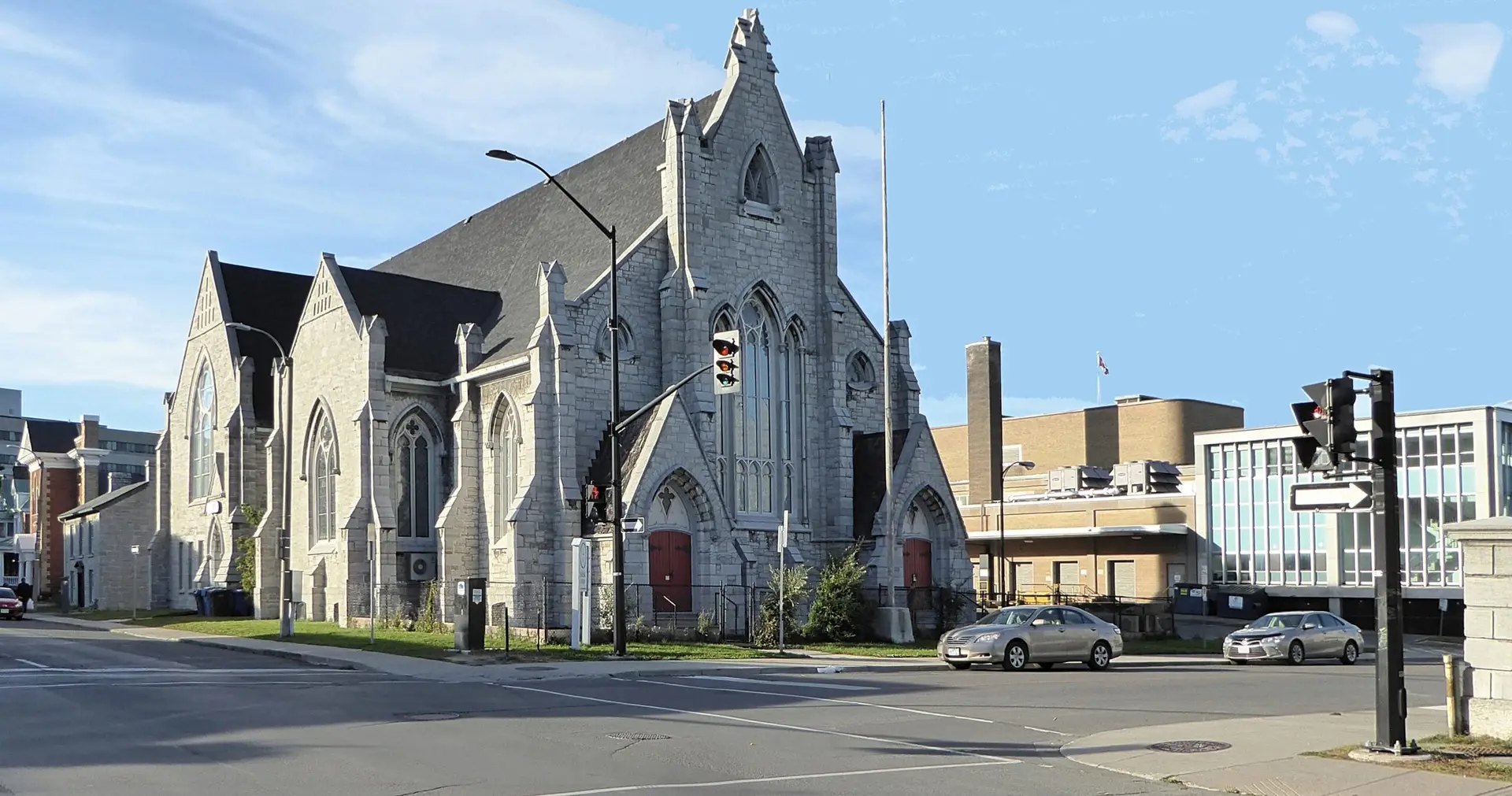
The ghost of Ambrose Small might be the Kingston Grand Theatre’s most famous story, but the living history of this 776-seat gem at 218 Princess Street is far more compelling. Built in 1902 on the ashes of a fire that destroyed its predecessor, saved from demolition by citizens who refused to let it go, and renovated into one of Eastern Ontario’s premier performing arts venues, the Grand is a building that has survived everything the 20th century could throw at it — and emerged sounding better than ever. For North Country New Yorkers, Kingston is a straight shot across the border, and the Grand is reason enough to make the trip.
Fire, Ghosts, and the Stage That Survived
The Grand Theatre’s origin story begins with destruction. Martin’s Opera House, built in 1879, burned to the ground on December 6, 1898. The Grand Opera House rose on the same site, opening with a gala performance on January 14, 1902. It was built to be a showcase, and the early years delivered on that promise — Sarah Bernhardt performed here, as did Al Jolson, Nellie Melba, and Harry Houdini.
Then came Ambrose J. Small. The self-made theatre magnate acquired the Grand in 1905 and operated it as part of his chain of Ontario theatres until 1919, when he sold every property he owned for $1.7 million. The next day, he vanished. No body was ever found. No explanation was ever confirmed. The mystery became one of Canada’s most enduring cold cases, and to this day, some claim Small’s ghost haunts the Grand. Whether you believe in spectral theatre magnates or not, the story adds an undeniable layer of atmosphere to an already atmospheric room.
After Small’s disappearance, the theatre passed to Famous Players in 1936, who converted it into a cinema. The movie house closed in 1961, and the building faced the wrecking ball. Enter the Kingston Arts Council, which campaigned successfully to save it. The newly renamed Grand Theatre reopened as a civic performing arts venue in 1966 and has been the cultural anchor of downtown Kingston ever since.
The Room
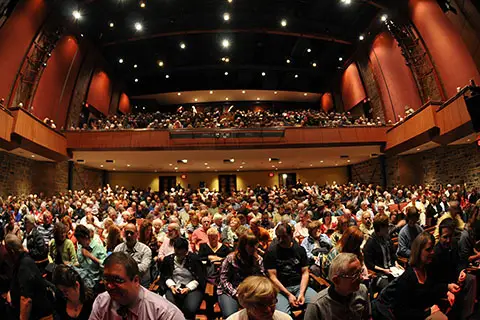
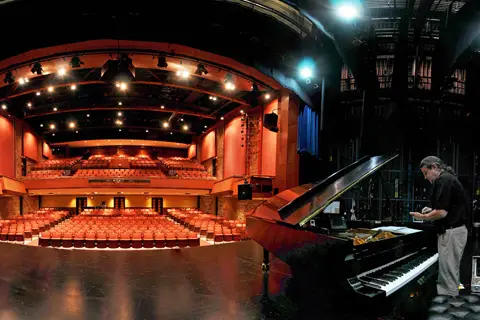
The main theatre seats 776 with a proscenium stage and orchestra pit — a configuration that serves everything from symphony concerts to rock shows to full-scale musical theatre. The most recent major renovation, completed in 2008, modernized the technical infrastructure while preserving the warm, heritage character that makes this room feel fundamentally different from a modern concrete box.
The acoustics are the Grand’s calling card. The room is intimate enough that even unplugged performances carry, but robust enough to handle a full band at volume without turning to mush. The Kingston Symphony has called the Grand home since 1964, which tells you everything you need to know about how this room handles sound.
Downstairs, The Baby Grand is a 105-seat black box theatre that operates as the venue’s more experimental counterpart. The Baby Grand books everything from spoken word and comedy to small-ensemble concerts and emerging artists — the kind of programming that benefits from a room where the back row is still within arm’s reach of the stage.
What’s On
The Grand hosts hundreds of performances annually, spanning professional and community theatre, ballet, modern dance, musicals, comedy, and a robust concert calendar. The programming reflects Kingston’s identity as a university city (Queen’s University is just blocks away) and a cultural hub that draws from both the Ottawa corridor and the cross-border North Country audience.
The concert bookings tend toward the mid-size touring act — artists who thrive in a room with character and a crowd that actually listens. The Grand’s position in the Canadian touring circuit means it often lands shows that don’t cross the border, giving Upstate fans access to artists and tours they might otherwise miss entirely.
Before and After the Show
Princess Street is Kingston’s main drag, and the Grand sits right in the middle of it. The pre-show dining options are absurdly convenient — you can literally walk next door and eat.
Megalos Restaurant is at 226 Princess, directly beside the Grand Theatre. It’s a long-standing downtown Kingston institution with an emphasis on fresh ingredients and a menu broad enough to satisfy any pre-show appetite. Woodenheads, also on Princess Street, is Kingston’s beloved pizza destination — creative ingredient pairings on top of serious dough, the kind of place where you’ll argue about toppings and everyone will be right. For something with a view, AquaTerra offers waterfront dining with panoramic Lake Ontario vistas and a seasonal menu built around local ingredients.
Getting There
From Northern New York, Kingston is accessible via the Thousand Islands Bridge (same crossing as Brockville, but continue east on Highway 401) or the Ogdensburg-Prescott International Bridge. From Watertown, the drive is approximately 90 minutes depending on the border crossing. From Syracuse, budget around two and a half hours.
Parking is straightforward: the Chown Memorial Parking Garage sits directly behind the theatre, making the logistics as painless as possible. Downtown Kingston is compact and walkable, so once you’ve parked, everything is on foot.
Remember your passport or enhanced driver’s license for the border crossing. The crossings on this corridor are generally quick, but Friday evening shows might add a few minutes to your timeline.
The Insider Edge
A few things the regulars know: the Grand’s heritage character means the lobby and common areas are worth exploring before the show — don’t just beeline for your seat. The Baby Grand downstairs books shows separately from the main stage, and its 105-seat capacity means those performances sell out fast. Check the calendar for both venues when you’re planning.
Kingston itself is a city that rewards exploration. The limestone architecture downtown gives it a distinctly old-world feel that’s unlike anything on the New York side of the border. If you’re making the trip for a show, consider arriving early enough to walk the waterfront or browse the shops along Princess Street.
And about that ghost: staff and performers have reported unexplained footsteps, flickering lights, and the occasional feeling of being watched in the upper balcony. Whether that’s the spirit of Ambrose Small or just the natural creaks of a 120-year-old building is a question the Grand has wisely never tried to answer definitively. Some mysteries are better for business left unsolved.
Visit the Kingston Grand Theatre website for upcoming shows and tickets.