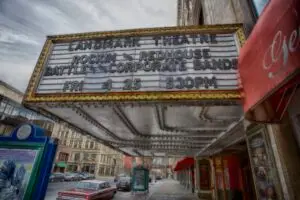
On the night of July 27, 2025, Phish closed out a three-night stand at Saratoga Performing Arts Center with something that had never happened in the band’s 40-plus year history: a “Tweezer” played as an encore. It was the band’s 27th time playing the main SPAC amphitheater alone, a tally that, combined with their more recent shows on the venue’s second stage, pushes their total appearances on the SPAC grounds past 30 — more than all but one act in the building’s history. Two nights earlier, the middle show of that same run had teased Black Sabbath, Aerosmith, and the Four Seasons mid-jam, the kind of loose, knowing showmanship that only happens in a room a band has played enough times to feel like their own back porch.
That is the story of Saratoga Performing Arts Center in a nutshell: a venue built for Beethoven’s Ninth Symphony that somehow also became the place where “Tweezer” got its most legendary encore. Both things are true, and neither one explains the whole picture. Understanding SPAC means understanding how a state park amphitheater became, at once, the summer home of one of America’s great orchestras and one of the most beloved rooms in jam-band history — often within the same calendar month.
A Newspaper Editorial and a Bulldozer
SPAC exists because of a wire service story and a piqued sense of state pride. In February 1961, Albany newspaperman Duane La Fleche read that a group was trying to lure the New York Philharmonic to a summer residency in Stowe, Vermont. His response, published as an editorial in the Knickerbocker News, asked why a New York orchestra should have to leave the state at all — and specifically floated Saratoga Springs as the answer. Within a week, local leaders were meeting. Within a month, they had settled on Saratoga Spa State Park as the site and opened talks with both the Philharmonic and the New York City Ballet.
The project gathered real institutional weight from there: The Saratogian publisher Fred Eaton, State Senator Eustis Paine, Saratoga Springs civic leader Robert McKelvey, and eventually Governor Nelson Rockefeller, whose family’s philanthropic fund contributed more than a million dollars toward construction. Rockefeller broke ground himself on June 30, 1964, riding a bulldozer in front of roughly a thousand onlookers. Three hundred workers logged 136,000 hours over 410 workdays to raise a 5,103-seat, ten-story amphitheater — a building that, in its original design, did not even include the sloping lawn that would eventually define the SPAC experience for 20,000 more fans a night.
There was one significant plot twist along the way: the New York Philharmonic, the orchestra the whole project had been built around, ultimately chose to spend its summers in Central Park instead. SPAC’s executive director, Richard “Dick” Leach, secured a replacement in the Philadelphia Orchestra — a decision that would define the venue for the next 60 years.
The Classical Soul: Orchestra and Ballet Under the Pines
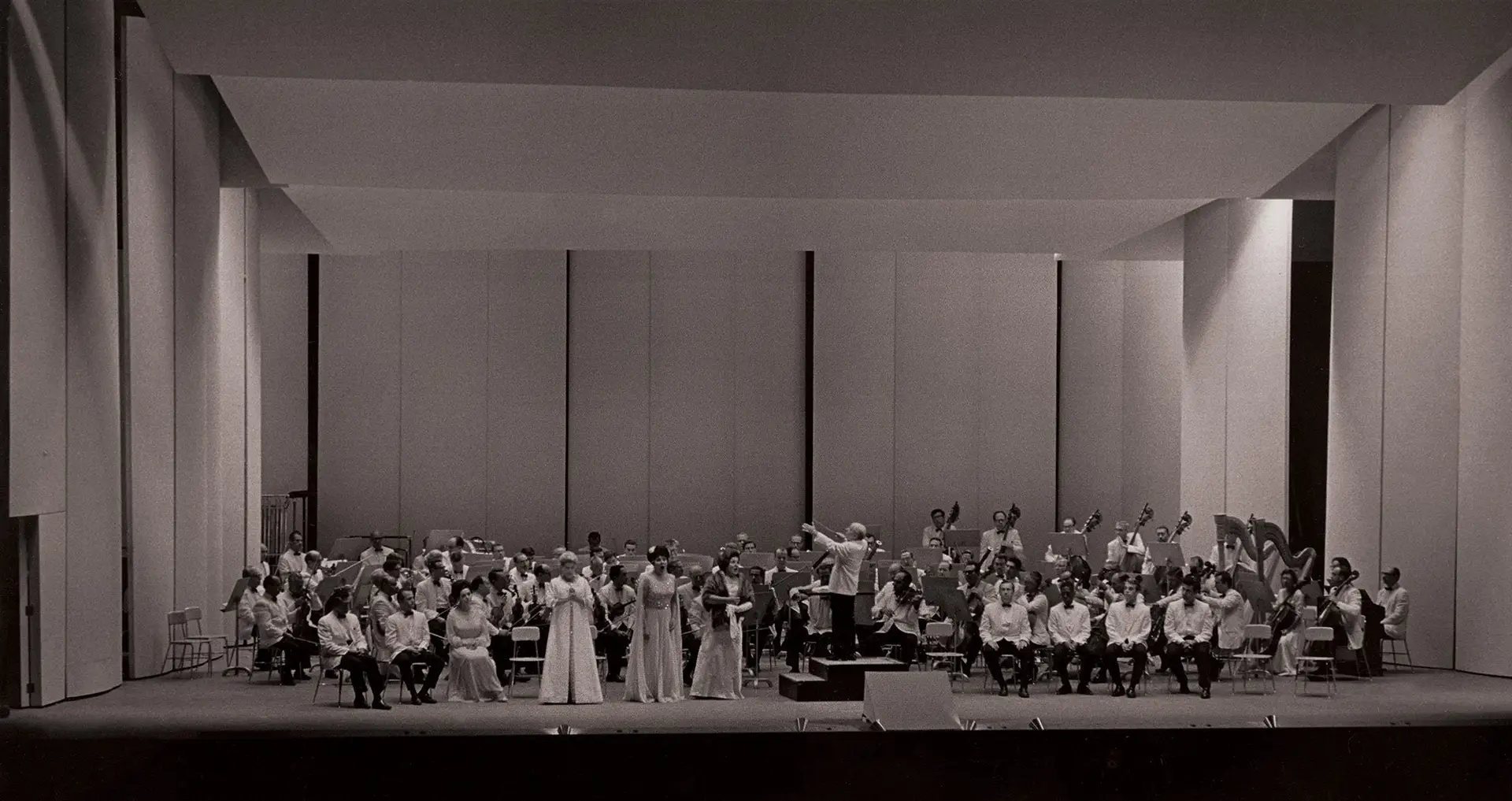
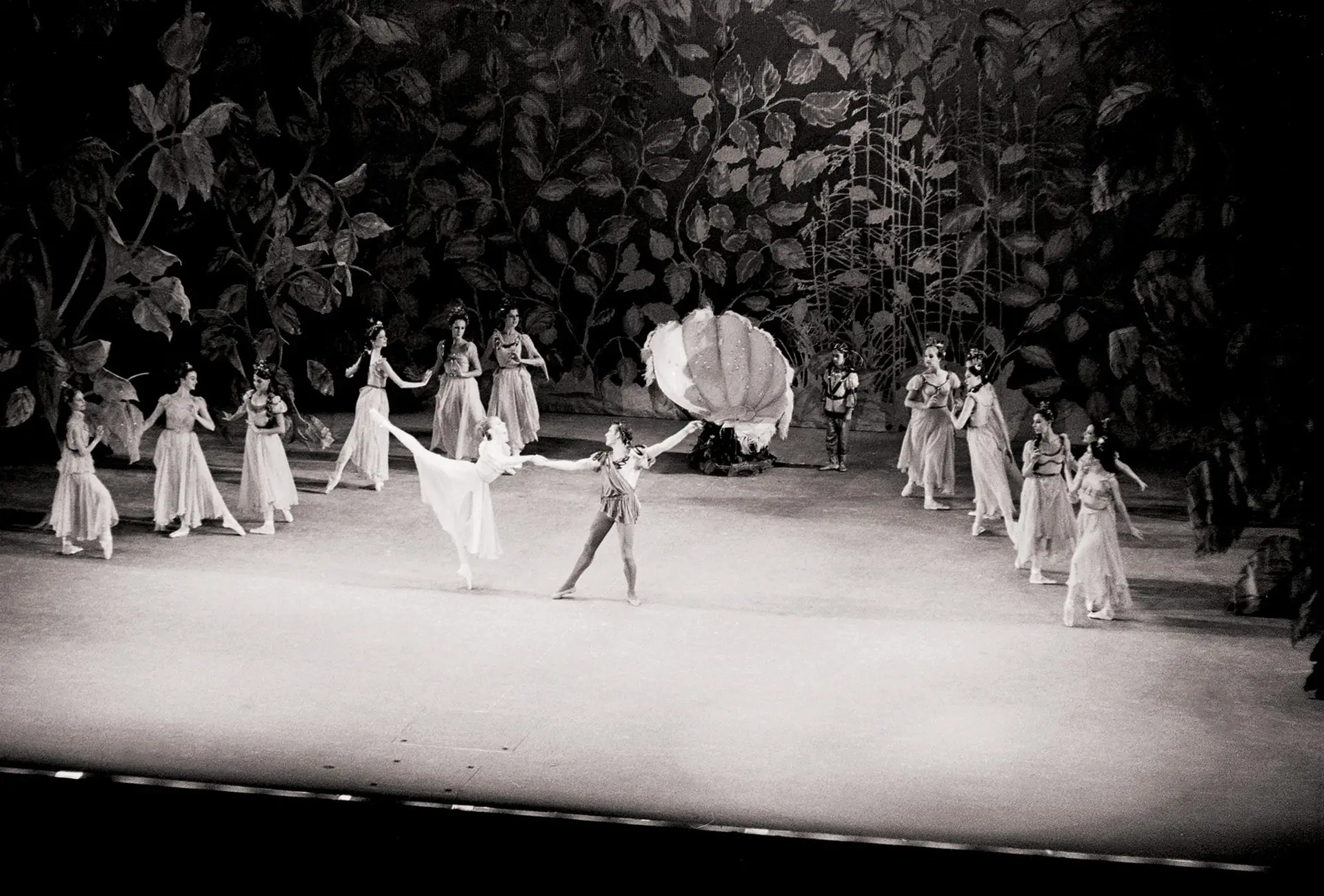
SPAC opened on July 9, 1966, with George Balanchine’s staging of “A Midsummer Night’s Dream,” danced by the New York City Ballet — the first time in history a ballet company had a permanent summer home. The Philadelphia Orchestra followed on August 4, 1966, with Eugene Ormandy conducting the overture to Beethoven’s “The Consecration of the House” and the Ninth Symphony. Ormandy, who had a direct hand in shaping the amphitheater’s acoustics for his own orchestra, later called the performance a moment of history he expected other cities to copy.
That partnership has not just endured — it has deepened. The Philadelphia Orchestra and New York City Ballet gave their first joint performance at SPAC on August 18, 1971, conducted by Andre Kostelanetz, and the Chamber Music Society of Lincoln Center joined as a third resident company in 2014. This year marks 60 years of the orchestra’s residency in Saratoga, still built around Beethoven’s Ninth as a touchstone piece — the same symphony that opened the very first season.
When Belafonte, the Doors, and Whitney Houston Redefined the Stage
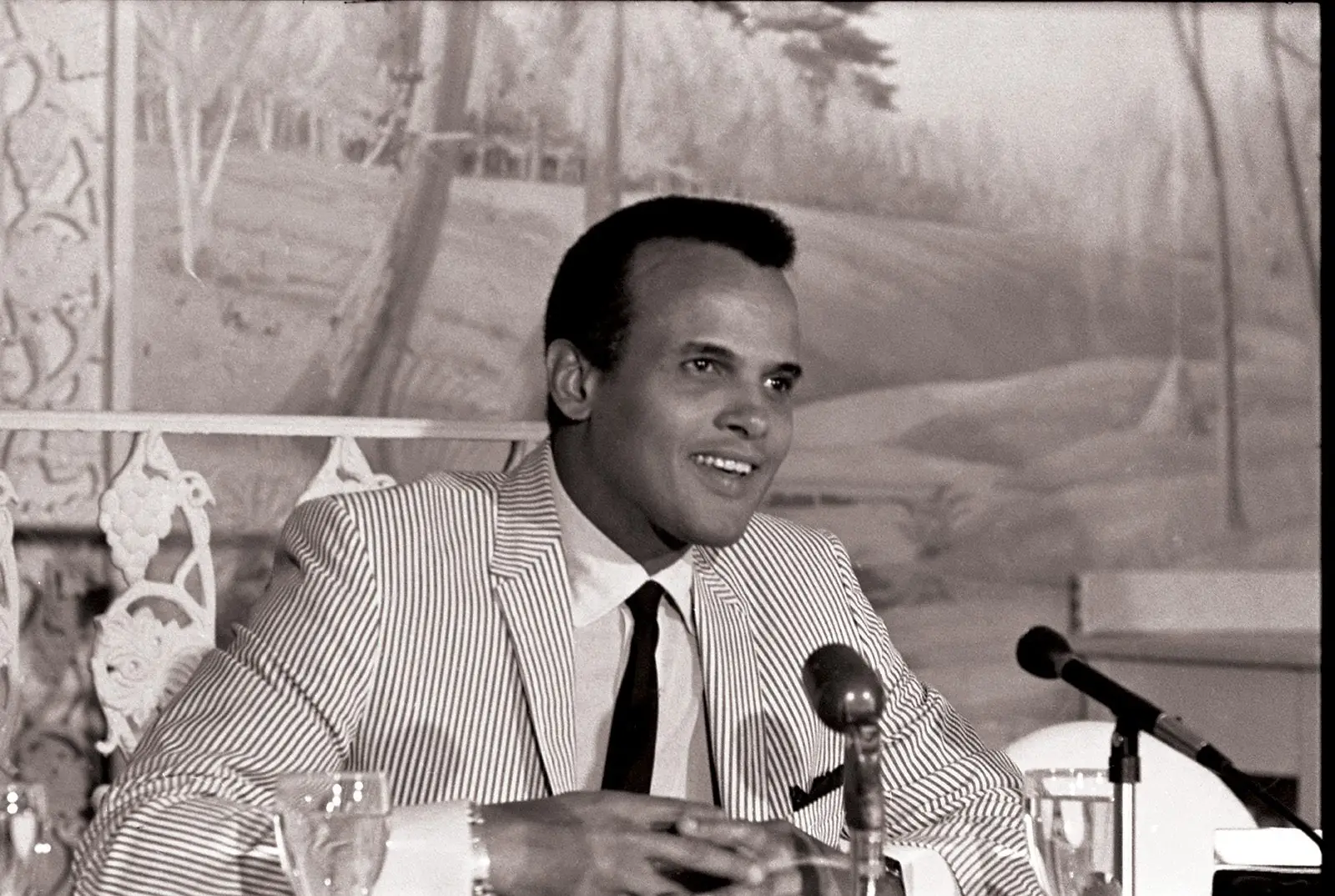
Classical and ballet built SPAC’s foundation, but it took less than a year for the amphitheater to widen its ambitions. Harry Belafonte headlined SPAC’s first “Special Event” concert in June 1967, becoming the venue’s first non-classical performer. Then, on September 1, 1968, the Doors played what would be the band’s final U.S. show before departing for a European tour — a performance filmed, backstage and on stage, for the documentary “Feast of Friends.” An estimated 12,500 fans stood on their seats begging for an encore they never got; Jim Morrison instead lingered onstage afterward, talking with the crowd for half an hour.
The amphitheater kept collecting these moments. Jackson Browne recorded “Rosie” backstage at SPAC in 1977. And on September 2, 1987, Whitney Houston’s Saratoga concert on her Moment of Truth World Tour became the official music video for “Didn’t We Almost Have It All,” aired on MTV, VH1, and BET — the same show that supplied her performance of “I Wanna Dance With Somebody” for that year’s MTV Video Music Awards broadcast just nine days later.
Freihofer’s and the Jazz Legacy
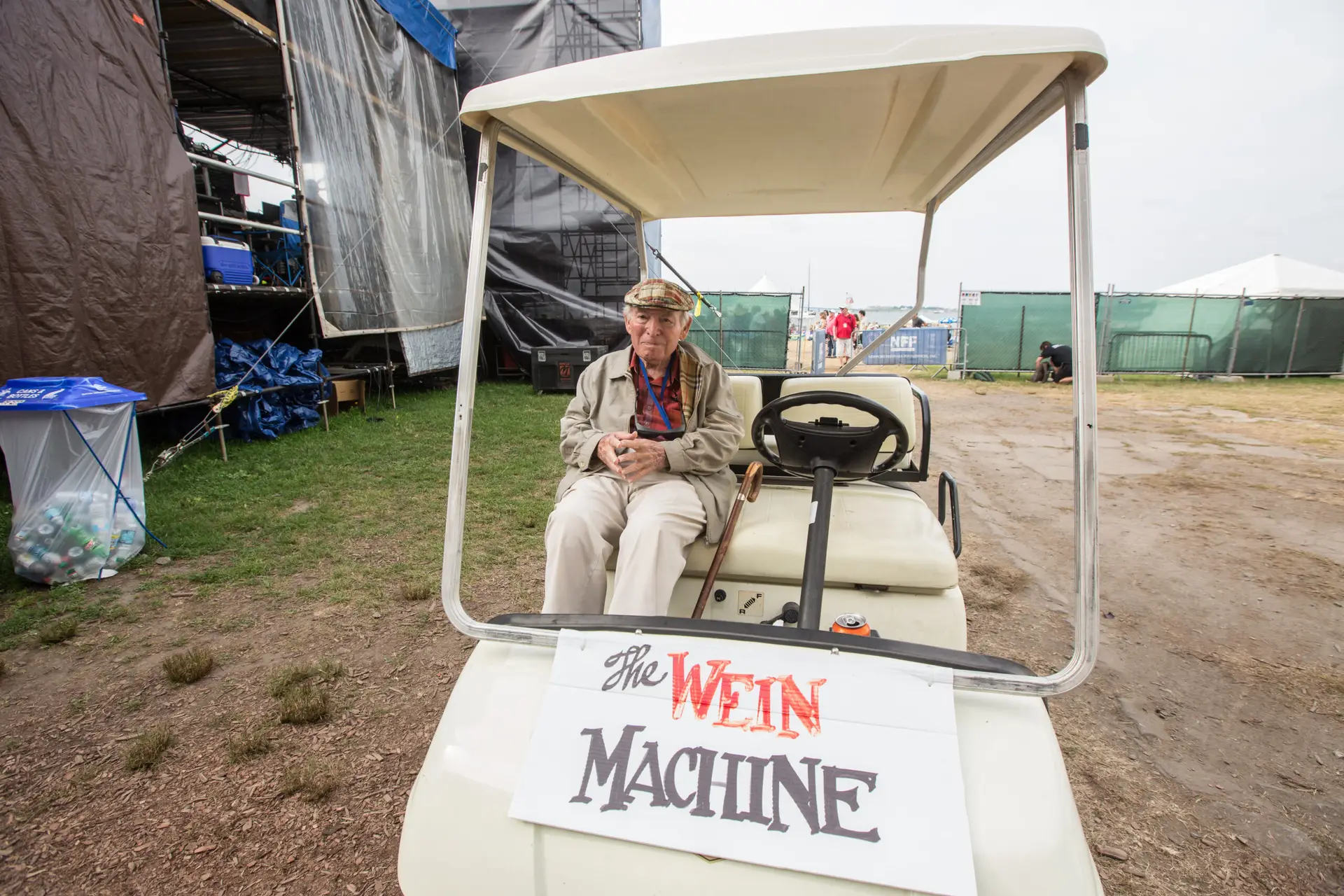
In 1977, George Wein — the man who had founded the Newport Jazz Festival back in 1954 — struck a handshake deal with SPAC president Herb Chesbro to bring a version of that festival north. Wein’s own account, from his memoir, credits a New York City bridge toll with sealing the idea: driving home from the meeting, he realized a New York festival didn’t need to replace the Newport brand, it could simply expand it. The inaugural Newport Jazz Festival-Saratoga arrived in the summer of 1978 as two twelve-hour marathon days — one devoted to big bands, the other to small combos.
The festival has run every year since, now billed as the Freihofer’s Saratoga Jazz Festival (renamed in 1998 after the bakery became its lead sponsor) and ranked among the five longest continuously running jazz festivals in North America. Across its history, the Saratoga stage has hosted Miles Davis, Dizzy Gillespie, Herbie Hancock, Ray Charles, Chick Corea, and Dave Brubeck, among many others — a lineup of American jazz royalty that rivals any festival in the country.
The Jam Band Home: The Dead, Phish, and Dave
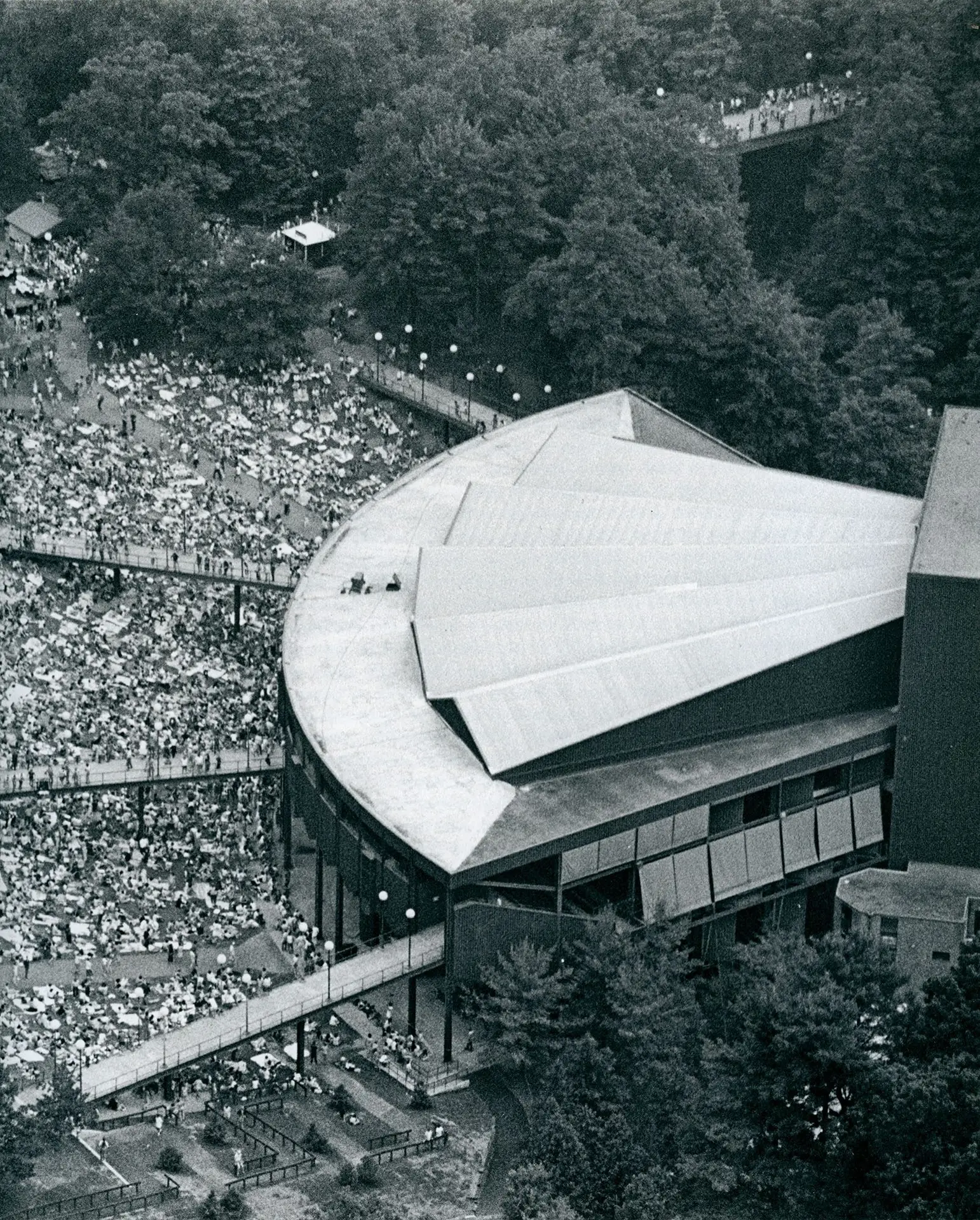
If the Doors cracked the door open for rock, the Grateful Dead kicked it off the hinges. The Dead’s SPAC shows through the 1980s grew into an annual rite, and on June 27, 1985, they drew a crowd of 40,231 — still the largest paid audience in SPAC’s history, and roughly 17,000 more people than the amphitheater’s current capacity allows. The crush was severe enough that SPAC’s management imposed the strict 25,103-person cap that remains in place today. The Dead would return to play SPAC once more, in 1988, before their run there ended for good.
Phish picked up where the Dead left off, debuting at SPAC on July 27, 1992, as an opening act for Santana, and returning as headliners beginning in 1994. Three-night runs became something of a SPAC tradition for the band across the 2010s, and their most recent stand — July 25 through 27, 2025, on the newer Broadview Stage — closed with that history-making “Tweezer” encore.
But no act owns SPAC quite like Dave Matthews Band. The band first appeared at the amphitheater as part of the H.O.R.D.E. Festival lineup in September 1994, then returned for its first full headlining set on June 8, 1996 — a show later released as part of the band’s official Live Trax series. Annual two-night stands became the norm starting in 2001, and the band kept setting its own records: a 41st SPAC performance in July 2022, already more than any other artist in the venue’s history, and 48th and 49th shows in July 2024 that together sold nearly 38,000 tickets. This past weekend — July 17 and 18, 2026 — Dave Matthews Band played its 50th headlining performance at SPAC, extending a record that now looks less like a milestone and more like a permanent fixture of the Saratoga summer calendar. No other artist has sold out SPAC more times.
New Voices on an Old Lawn
The amphitheater’s rock era shows no sign of slowing. Goose, the Connecticut-born jam act that has become one of the genre’s fastest-rising bands, made its SPAC debut in 2023 to what was then the group’s largest crowd ever, returned for a two-night run on the Broadview Stage in September 2024, and came back a third time for a Fourth of July weekend stand in 2026 alongside The Disco Biscuits and moe. It’s a familiar pattern by now — a band plays SPAC once, falls for the room, and keeps coming back until the return becomes tradition. It happened with the Dead. It happened with Phish. It is clearly happening again.
Why It Endures
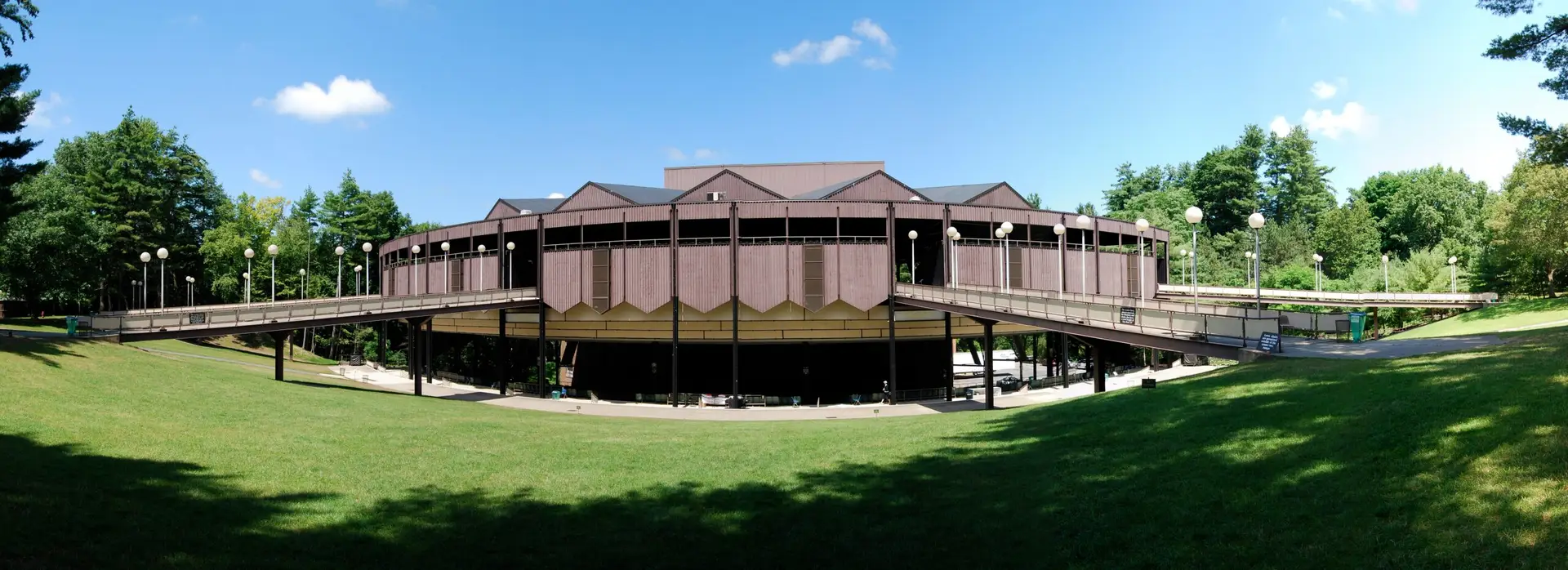
It would have been easy for SPAC to become one thing or the other — a classical shed that occasionally rented itself out to rock acts, or a rock shed that kept the orchestra around for prestige. Instead, six decades on, it remains genuinely both: the place where Beethoven’s Ninth opened the very first season and where Dave Matthews Band just played its 50th headlining show, weeks apart on the same stage, under the same pines. That duality was baked in from the start — a newspaper editorial about an orchestra’s summer home, rescued by a rock and roll audience nobody at the groundbreaking ceremony saw coming.
If you want to see what’s carrying that tradition forward this season, SPAC’s upcoming concert calendar is as good a place as any to start — because sixty years in, the amphitheater in Saratoga Spa State Park is still adding nights to its own history.
Photo & Video Credits
- Photo courtesy of Saratoga Performing Arts Center
- New York City Ballet in “A Midsummer Night’s Dream,” 1966. Courtesy Saratoga Performing Arts Center
- The Philadelphia Orchestra at SPAC, 1966. Photo by Adrian Siegel, courtesy Saratoga Performing Arts Center
- Harry Belafonte at SPAC, 1967. Courtesy Saratoga Performing Arts Center
- George Wein, who brought the Newport festival to Saratoga (Newport, 2014). Photo by Tim Bugbee, Wikimedia Commons, CC BY 2.0
- Grateful Dead crowd at SPAC, c. 1983. Photo by Ellen deLalla, courtesy Saratoga Performing Arts Center
- Photo by Matt H. Wade, Wikimedia Commons, CC BY-SA 3.0
- Video: Whitney Houston, “Didn’t We Almost Have It All” (Official Live Video), official Whitney Houston channel.
- Video: Dave Matthews Band, “Live from SPAC 7/14/18,” official Dave Matthews Band channel.