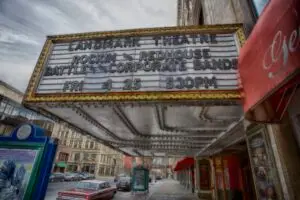
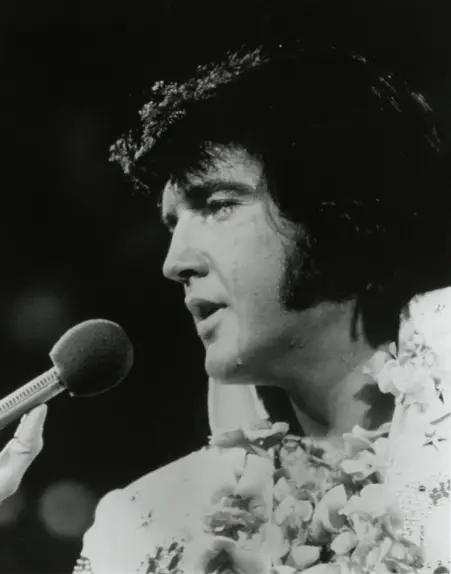
On the night of May 25, 1977, a heavyset man in a white jumpsuit walked onto the stage of the Rochester Community War Memorial and gave a city something it would spend the next half-century trying to describe. Nobody in the ten thousand seats knew they were watching the end. Elvis Presley was eighty-three days from death. His voice still had the old thunder in it that night on Exchange Boulevard — but there was a heaviness to the whole affair, a sense that the biggest star the century ever produced was running on memory and adrenaline. Twelve weeks later he was gone, and Rochester had, without meaning to, hosted one of the last performances of the man who invented the modern concert.
That is the strange gift of this city. Rochester was never Nashville and never Los Angeles. It built cameras and it built film, and along the way it built one of the most quietly remarkable live-music histories in the Northeast — a run of nights where the biggest names on earth passed through a mid-sized arena on the Genesee and left something behind. This is Volume 4 of The Greatest Concerts Ever, our city-by-city reckoning with the concerts that mattered most. Every show on this list happened. Every date is real, every venue named, every detail checked against the record and not the fog of memory.
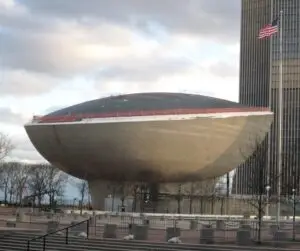
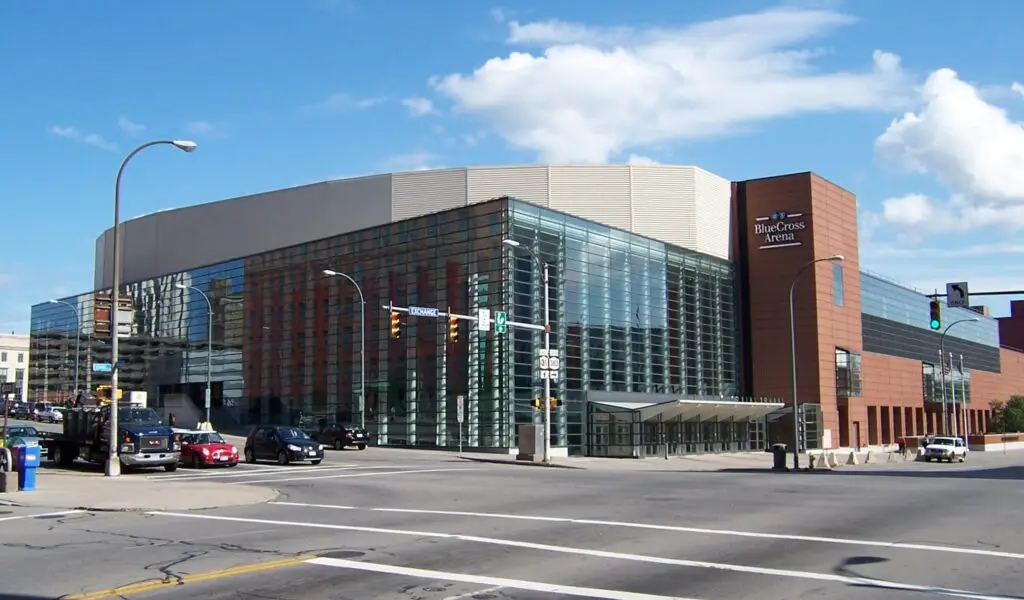
A few rooms recur, and you should know them like characters. The Rochester Community War Memorial — now the Blue Cross Arena — is the beating heart of this story, the downtown workhorse that caught Elvis and the Stones and Zeppelin and the Dead in the same handful of years. The Eastman Theatre, George Eastman’s marble cathedral to music, is where the city’s own royalty was crowned. And a scatter of other places — a ballpark on Norton Street, a domed hall out in Henrietta, a smoky roadhouse in the suburbs — round out a map that no other Upstate city could draw. Here are the ten greatest concerts Rochester ever hosted.
10. Foghat — Dome Arena, Henrietta — May 10, 1977
Some concerts you remember. This one you can own. When the British boogie outfit Foghat rolled into the Dome Arena in Henrietta in the spring of 1977, the tapes were running, and the result — Foghat Live — went on to sell more than two million copies. The definitive recorded version of “Slow Ride,” the one that has soundtracked a thousand road trips since, is Rochester’s crowd roaring back at the band from the floor of a suburban exposition hall. Most cities never get to say a platinum live album was made inside their limits. Rochester can point to Henrietta.
9. Bruce Springsteen — Community War Memorial — December 2, 1980
The River Tour was already the stuff of legend — three, four hours a night of a man treating rock and roll like a matter of life and death — when it hit a sold-out War Memorial in December of 1980. Outside, a Rochester snowstorm did what Rochester snowstorms do. Inside, Springsteen and the E Street Band played as if the weather were a personal challenge. It was the kind of night that turns a good arena show into a story people still tell across a bar forty years later: the blizzard, the sweat, and Bruce refusing to let anyone go home cold.
8. Grateful Dead — Community War Memorial — November 5, 1977
The Grateful Dead played the War Memorial ten times between 1973 and 1985, which alone tells you something about the bond between the band and this city. But the night of November 5, 1977 earned its own permanent place in the canon: decades later the Dead’s own archivists reached back into the vault and released the full Rochester show as Dick’s Picks Volume 34, one of only a handful of the band’s official archival releases and the one that immortalized a Genesee-side evening for Deadheads the world over. When a band that played everywhere chooses your night to press to disc, you were there for something.
7. U2 — Silver Stadium — October 11, 1987
By the fall of 1987, U2 was the biggest band in the world, and The Joshua Tree had turned their tour into a national event. On October 11, they brought it to Silver Stadium, the old ballpark on Norton Street — and 30,500 people poured in to see them. It remains the largest rock crowd in Rochester history. It was the final New York State stop of the tour, a full stadium singing “Where the Streets Have No Name” back at a band that had, in the span of one record, gone from clubs to cathedrals. Rochester gave them a ballpark and got an anthem.
6. The Jimi Hendrix Experience — Community War Memorial — March 21, 1968
Jimi Hendrix came to the War Memorial on March 21, 1968, at the absolute apex of his powers, and set fire to everything a guitar was supposed to be. The show would be a landmark on that alone. But Rochester’s version comes with a coda only this city can claim: a local kid named Lou Gramm was in the orbit of that era’s Rochester rock scene, and the sheer voltage of what a guitar hero could be helped light the fuse on a career that would give the world Foreigner — and “Juke Box Hero,” the ultimate song about a kid transformed by a night at a concert. The hero, in this telling, started at home.
5. The Who — Community War Memorial — August 9, 1971
On August 9, 1971, Rochester heard the future five days early. The Who played the War Memorial that night — and Who’s Next, now enshrined as one of the greatest rock albums ever made, would not be released until August 14. Which means the Rochester crowd caught “Baba O’Riley” and “Won’t Get Fooled Again” live before the record that made them famous even existed. Pete Townshend windmilling through material the world hadn’t heard yet, in a downtown arena, days before it all detonated into history. Few audiences anywhere got that kind of head start.
4. Led Zeppelin — War Memorial Auditorium — September 11, 1971
A month after The Who, the War Memorial did it again. Led Zeppelin — standing-room-only, no opening act needed, a band operating at a creative altitude few ever reach — came through Rochester on September 11, 1971, weeks before the release of the untitled fourth album that would give the world “Stairway to Heaven.” The band thought enough of the night that the setlist and a period review still live in Zeppelin’s own official archive. For one autumn in 1971, the two heaviest bands in Britain both chose to test their newest, most immortal material on a Rochester crowd. The city was, briefly, the proving ground for the entire genre.
3. The Rolling Stones — Community War Memorial — November 1, 1965
And then there is the night Rochester nearly rioted. On November 1, 1965, the Rolling Stones took the War Memorial stage — and got through only a handful of songs before the crowd surged, the police moved in, and the show was shut down cold, one of the shortest sets in the band’s history. The story hardened into local legend, right down to the line, forever attributed to a departing Keith Richards, dismissing Rochester as a “hick town.” Insult or not, the truth underneath it is a compliment: the kids of this city wanted it so badly the authorities couldn’t hold them back. Some cities got a concert from the Stones. Rochester got a near-insurrection.
2. Chuck Mangione, Friends & Love — Eastman Theatre — May 9, 1970
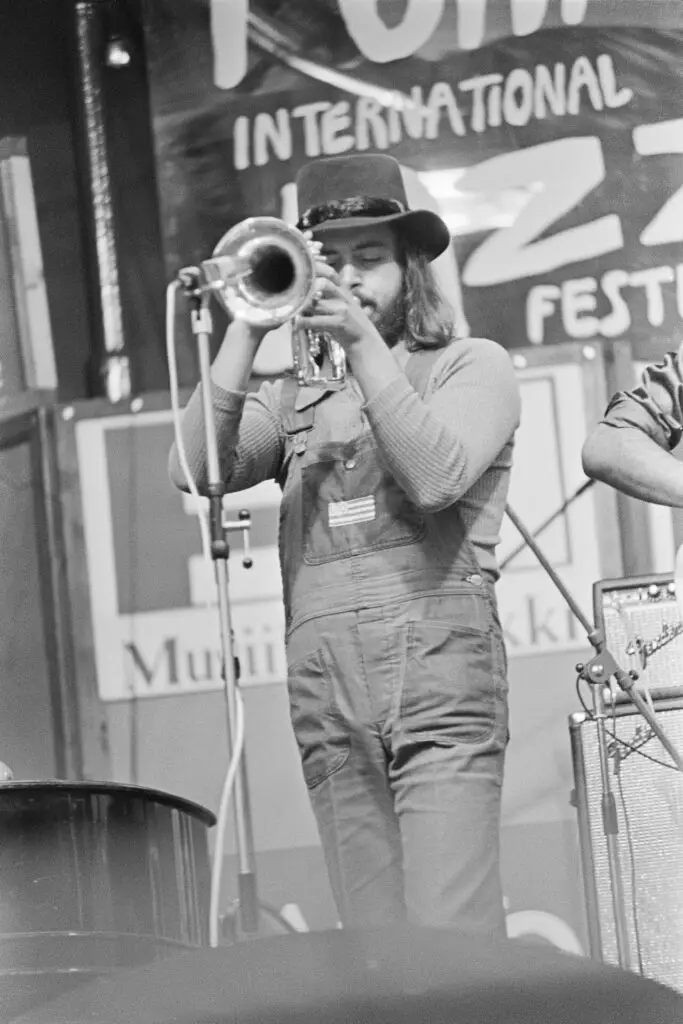
Here the story turns inward, to the city’s own. On May 9, 1970, a Rochester native named Chuck Mangione — a Franklin High kid, Eastman-trained, a son of the Clarissa Street jazz clubs — stood in front of the Rochester Philharmonic Orchestra on the stage of the Eastman Theatre and conducted an original suite of his own composition before a standing-room crowd of thirty-five hundred. They called it Friends & Love. It was recorded, released as a double album, earned a Grammy nomination, and launched Mangione from hometown favorite to national name — the road that led, a few years on, to “Feels So Good.” No touring superstar gave Rochester this one. Rochester grew it, in its own concert hall, and sent it out to the world. It is the single greatest homecoming this city has ever staged.
1. Elvis Presley — Community War Memorial — May 25, 1977
But the greatest concert in Rochester history is the one nobody knew to treasure while it happened. Elvis Presley came to the Community War Memorial on May 25, 1977, and roughly ten thousand people filled the downtown arena to see the King on what turned out to be one of the final passes of his final year. He was diminished and he was magnificent, both at once — the voice that changed everything still capable, on the right night, of stopping a room. Eighty-three days later, on August 16, he was dead in Memphis, and every ticket stub from that Rochester night became a relic. Cities all over America hosted Elvis across twenty-three years of touring. Only a small handful hosted him at the end. That Rochester was one of the last places on earth to witness the man who built the modern concert — in the same downtown room that would catch the Stones and Zeppelin and the Dead — makes May 25, 1977 the greatest, and most haunting, night in the city’s musical history.
A city that makes its own
Pull back from the touring legends and a second, deeper story comes into focus: Rochester doesn’t just host greatness, it grows it. Long before Chuck Mangione conducted his homecoming, this city sent Cab Calloway into the world — the “Hi-De-Ho” man of Cotton Club immortality was born in Rochester in 1907. It gave rock its voice in Lou Gramm of Foreigner, still a Rochester resident today, and gave music one of its most recorded drummers in Eastman-trained Steve Gadd, a childhood friend of Mangione’s from the same Rochester scene. It is producing stars still — the soul powerhouse Danielle Ponder, born and raised here, and the band Joywave, formed in Rochester and recording here to this day. Rochester runs heavier than that, too: two veterans of the city’s 1990s metal underground — drummer Brann Dailor and guitarist Bill Kelliher — sharpened their chops in Rochester bands like Lethargy before decamping together for Atlanta in 2000 and founding Mastodon, one of the most acclaimed metal bands of the century.
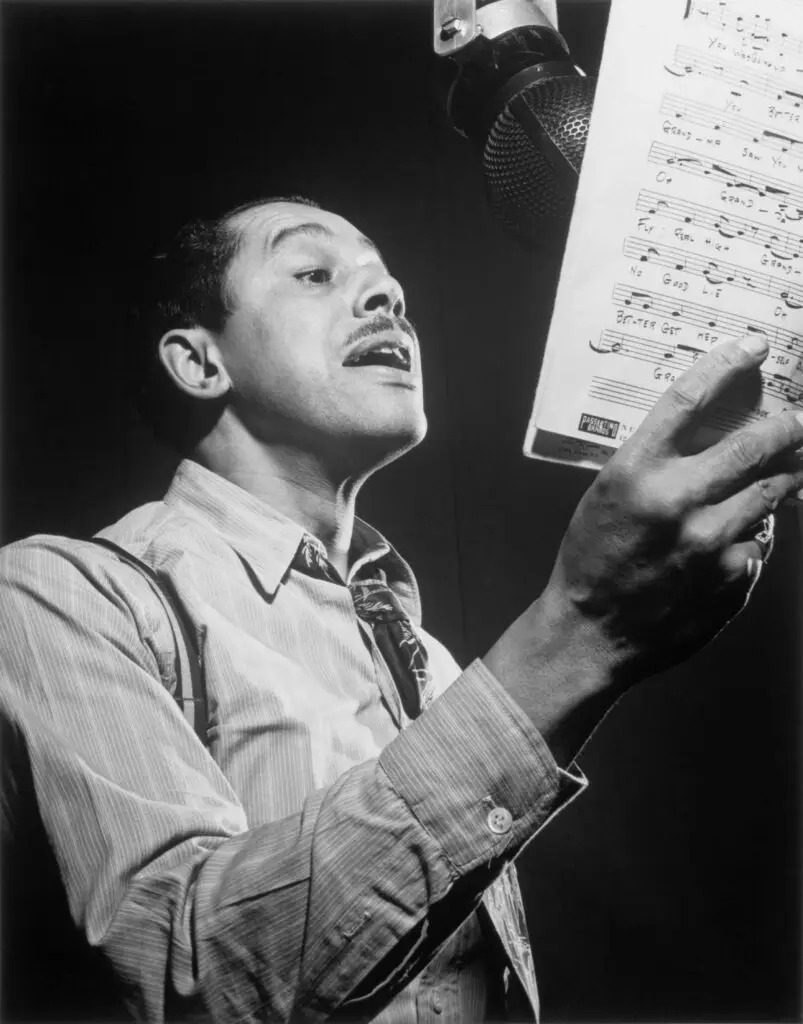
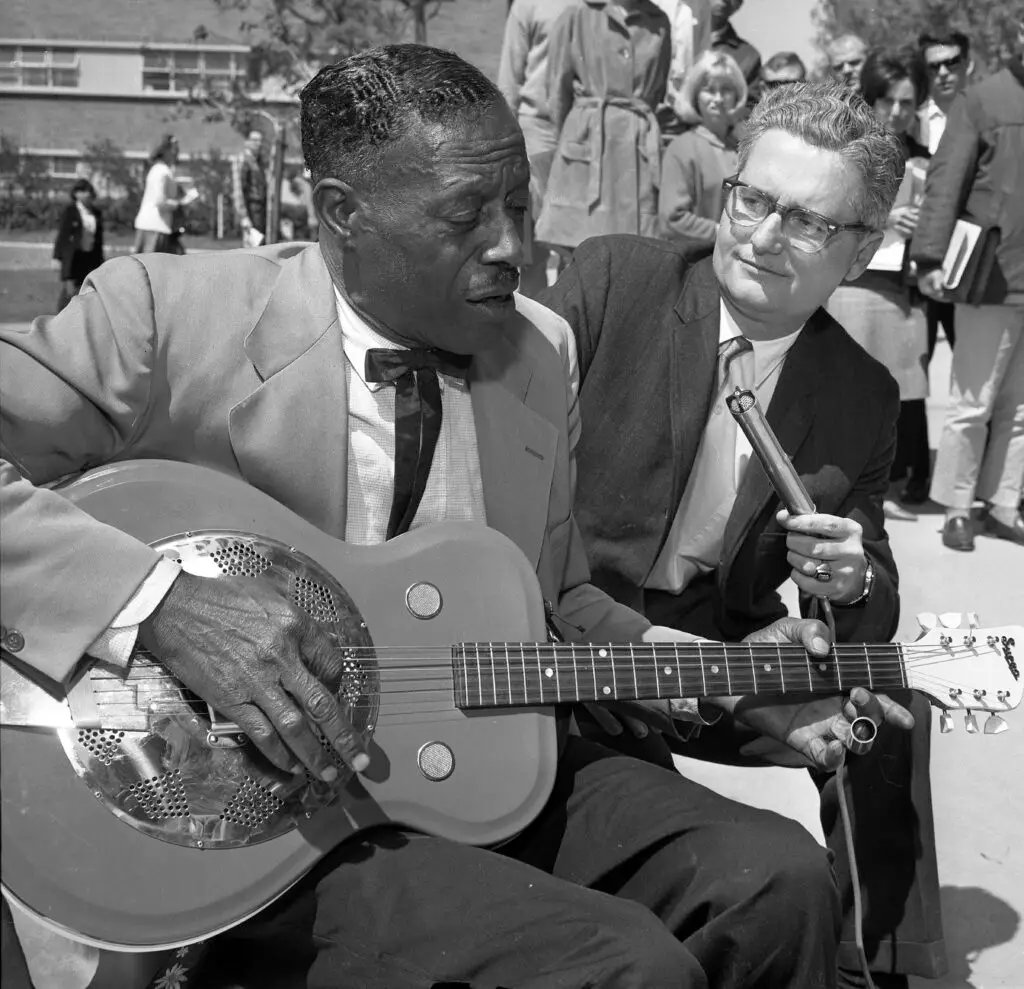
The Eastman School of Music turned the city into a pipeline for the ages: soprano Renée Fleming grew up in suburban Churchville and earned her master’s at Eastman; bassist Ron Carter, one of the most recorded bassists in jazz history, sharpened his art in Rochester’s clubs during his Eastman years. And in one of the most remarkable footnotes in all of American music, the Delta blues giant Son House — mentor to Robert Johnson and Muddy Waters — spent decades living quietly in Rochester, working an ordinary railroad job, until he was rediscovered here in 1964 and launched into the blues revival that made him a legend a second time. Rochester didn’t just book the greats. It kept them, taught them, and made its own.
The ones that just missed — and the shows only Rochester could pull off
Ten slots is a cruel limit in a city this deep. Bob Dylan’s Rolling Thunder Revue rolled through the War Memorial in 1975 with Joan Baez, Joni Mitchell, and Roger McGuinn in tow — one of the most star-stacked bills the city ever saw. A young, still-rising Prince opened for Rick James at the same arena in 1980, years before superstardom. And the legendary Red Creek Inn out in the suburbs spent twenty-seven years turning an unassuming roadhouse into a shrine, booking Muddy Waters, Buddy Guy, James Brown, Bonnie Raitt, and a baby-faced Red Hot Chili Peppers on their way up.
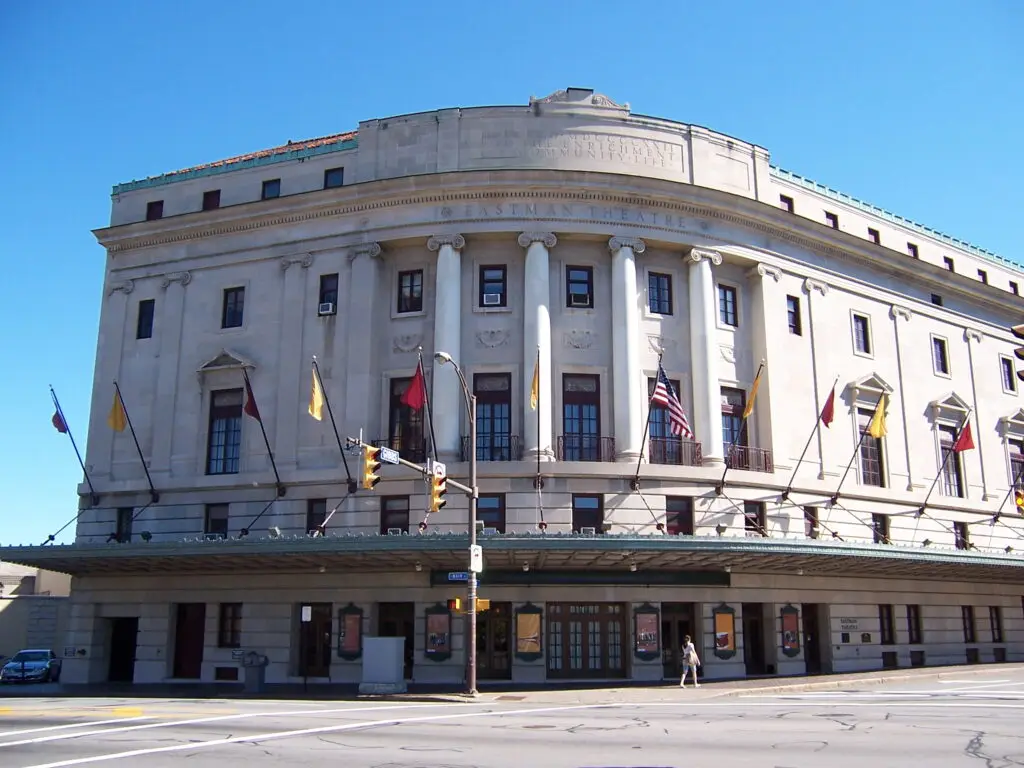
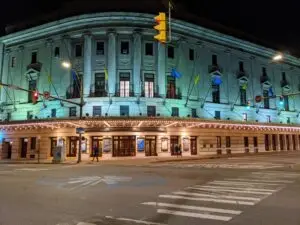
Then there are the institutions no other city could claim. The Eastman Theatre, open since 1922, has hosted a century of the world’s greatest classical and jazz artists inside George Eastman’s marble hall. The Rochester International Jazz Festival, launched in 2002 with Aretha Franklin herself headlining, has grown into one of the largest jazz gatherings in the country, filling downtown for ten days every summer. And the Lilac Festival, running in some form since the 1890s, has been putting live music in Highland Park for longer than most American cities have existed. This is what a real music town looks like — not one great night, but a century of them, and reason enough to call Rochester one of the beating hearts of live music in Western New York.
We know we left something off. That’s the point. Tell us what we got wrong — your picks help decide our upcoming ranking of the Greatest Concerts in Upstate New York History. Find us on Facebook and Instagram and make your case.
Next in the series: Ithaca — where one snowy night at Cornell became the most famous concert in the history of American rock.
Image Credits
Hero artwork: Upstate Concerts. Elvis Presley (1973 RCA Records publicity photo, public domain). Chuck Mangione, Pori Jazz 1974 — photo by Keijo Laajisto / Finnish Heritage Agency (Finna), CC BY 4.0. Eastman Theatre exterior — photo by Matthew D. Wilson (LtPowers), CC BY-SA 2.5. Blue Cross Arena exterior — photo by Matthew D. Wilson (LtPowers), CC BY-SA 3.0. Cab Calloway — photo by William P. Gottlieb, Library of Congress (public domain). Son House — Los Angeles Times Photographic Archive / UCLA Library Digital Collections, CC BY 4.0. All via Wikimedia Commons.
🎫 Upcoming Shows in the Rochester Area
The legends made history here — now go make your own.