For four days in July of 1999, the eyes of the entire music world were fixed on a decommissioned Air Force base in Rome, New York — and then they watched it burn.
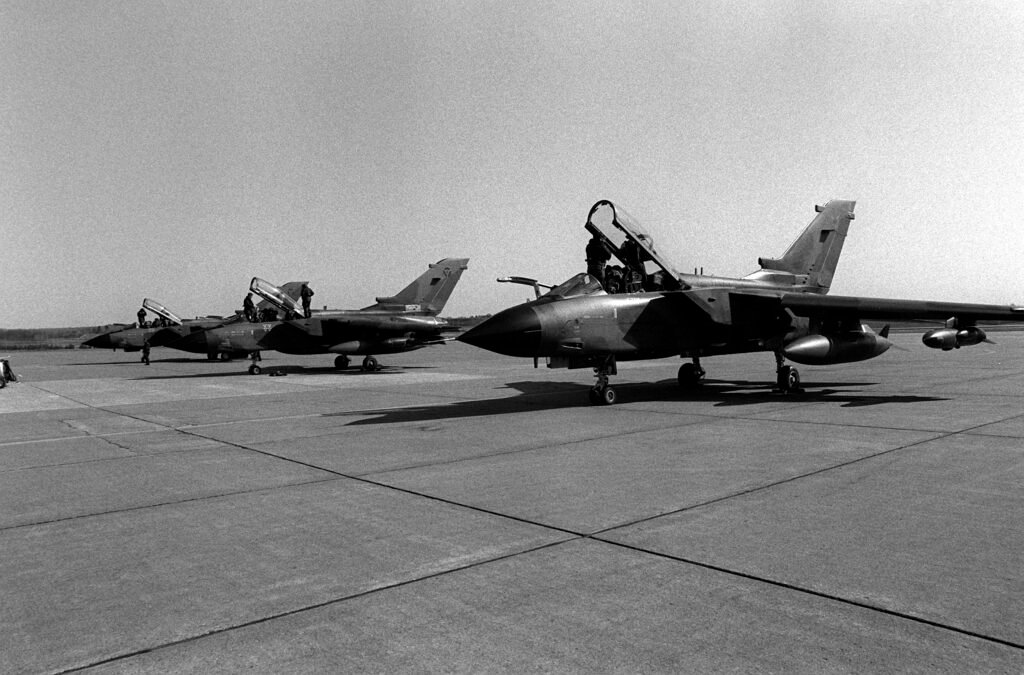
They came by the hundreds of thousands, somewhere between 200,000 and a quarter-million people at its peak, to the old runways of Griffiss Air Force Base for a festival that borrowed the most sacred name in American music: Woodstock. What they found was 100-degree heat, four-dollar water, and sanitation that failed by the second day. What they left behind, after Sunday night, was a field of bonfires, looted trailers, and a name that would come to mean the opposite of the one it was chasing. Woodstock ’99 is the single most infamous concert in American history. And it happened here.
That is the strange, heavy truth about the Mohawk Valley. This is a region whose greatest concert is also its darkest — but it is a region with a deep and genuine concert history all the same, most of it written inside one beloved downtown arena. A young Van Halen opened for Black Sabbath here. Bruce Springsteen played one of the great nights of the Darkness tour here. Elvis Presley was booked to play here, and died three days before he could. This is where we tell all of it.
The rules
The same promise we have made in every chapter of this series holds here, and it matters more than usual given how the story ends. Every concert below actually happened, on the date we give, at the venue we name — and where the historical record is disputed, especially about that final festival, we give ranges and name our sources rather than reach for a dramatic number. These are verified nights, ranked, told straight.
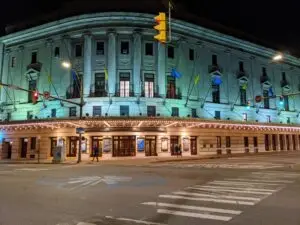
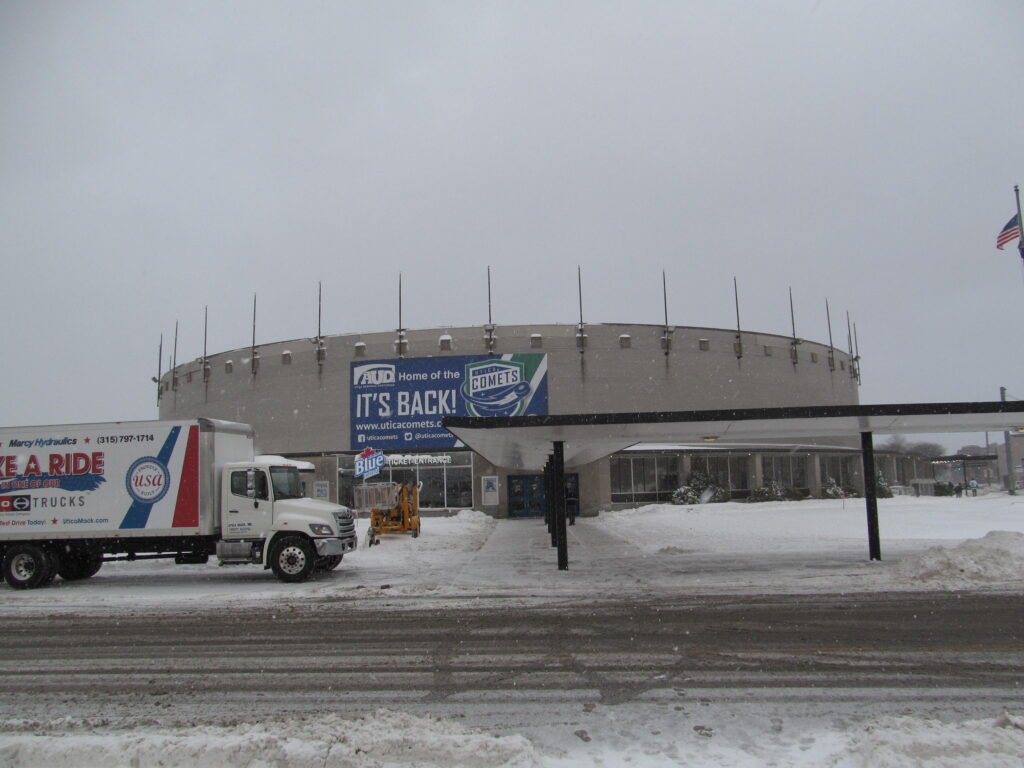
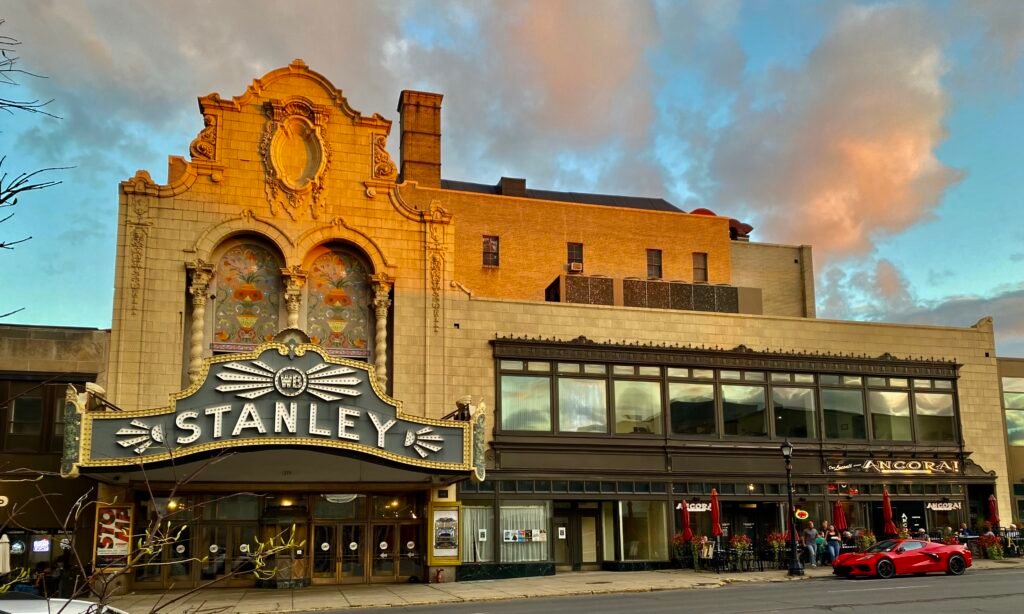
And a few rooms recur here like characters. Above all there is the Utica Memorial Auditorium — “the Aud,” the intimate downtown arena that opened in 1960 and, for four decades, punched improbably above its weight. There is the grand Stanley Theatre, the 1928 movie palace on Genesee Street. And there is Griffiss, the Rome airbase where it all came to a head. Let’s count down.
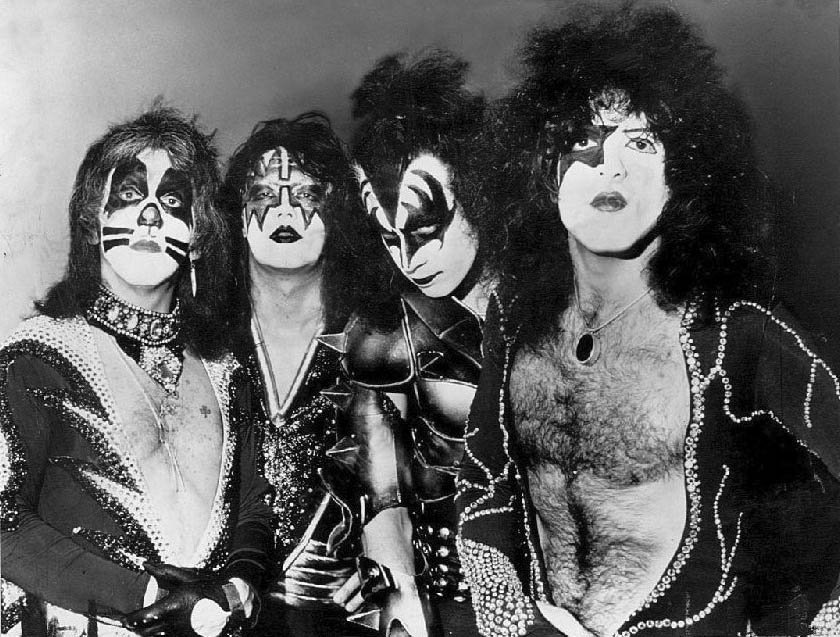
10. Kiss — Utica Memorial Auditorium — April 13, 1976
At the absolute peak of Kiss-mania, in the spring after Alive! turned them into the biggest live act in America, Kiss brought the full pyrotechnic circus to the Aud on April 13, 1976. Roughly 4,500 fans packed the downtown arena for the fire-breathing, blood-spitting, rocket-firing spectacle that a generation of upstate kids would never forget. It is the kind of booking that defined the Aud’s golden age: a genuinely enormous national act, at its commercial height, playing a room small enough that every seat felt close to the smoke. Utica did not get the watered-down version. It got the whole show.
9. Bill Haley & the Comets — Capitol Theatre, Rome — 1955
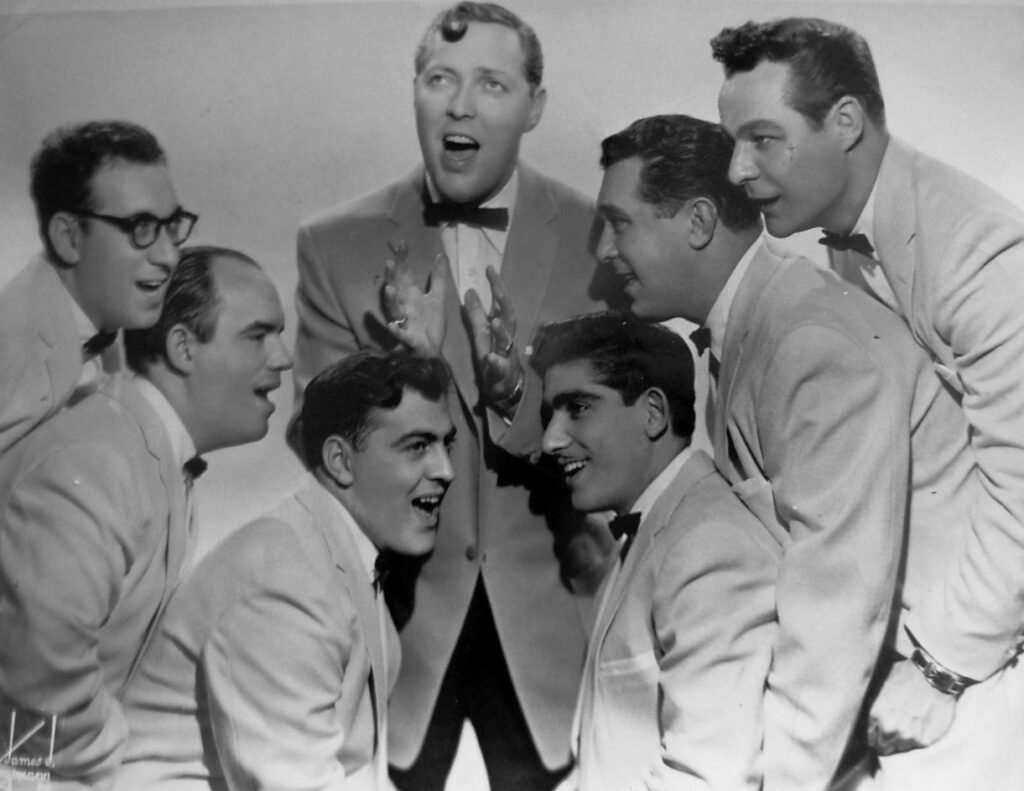
Before there was a Woodstock to ruin, before the Aud, before any of it, rock and roll itself came to Rome — twice — in 1955.
Bill Haley & the Comets, the men whose “Rock Around the Clock” would become the first rock and roll single to top the American charts later that very year, played the Capitol Theatre in downtown Rome in January and again in May of 1955. Think about where that sits in history: this was the ground floor of the entire genre, the sound that would remake American culture, and it touched down in a Rome movie palace before most of the country had a name for it. A period photograph of Haley on that stage survives. The Mohawk Valley was there at the very beginning.
8. moe. — Stanley Theatre, Utica — December 30, 2019
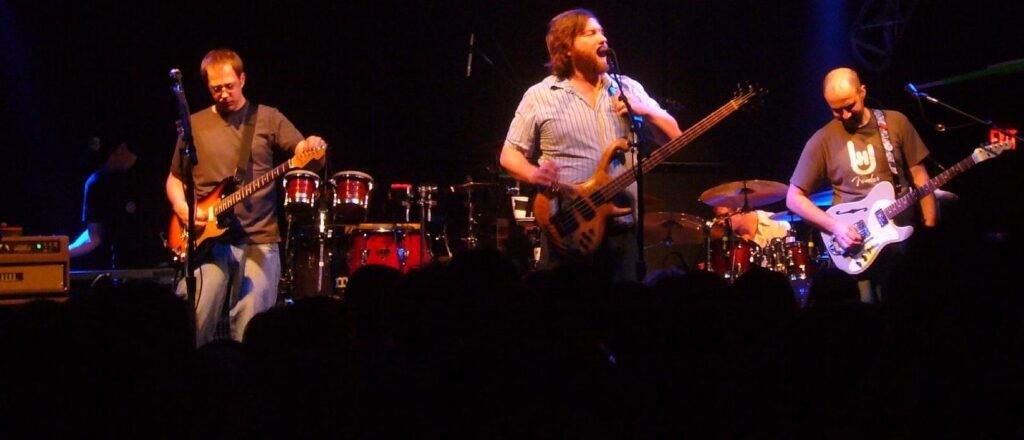
Every December, the jam band moe. comes home. They were not, strictly, born here — the group formed at the University at Buffalo — but the Mohawk Valley is in the band’s bones: guitarist Al Schnier grew up in nearby New Hartford, bassist Rob Derhak hails from Whitestown, and their lyrics have long name-checked the Saranac beer brewed a few blocks away. On December 30, 2019, moe. played the Stanley Theatre as part of their beloved annual New Year’s run, a hometown congregation of the faithful in a 1928 movie palace. It is the entry that proves the region’s live-music story did not end with the arena-rock era — it just came home and kept playing.
7. Ozzy Osbourne — Utica Memorial Auditorium — August 12, 1981
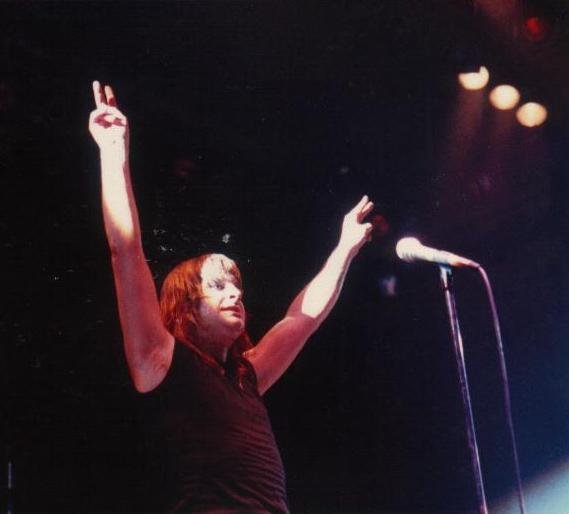
Newly solo and newly reborn, Ozzy Osbourne brought the Blizzard of Ozz tour to the Aud on August 12, 1981 — and beside him was a twenty-four-year-old guitar prodigy named Randy Rhoads. Rhoads, the classically trained virtuoso who had already rewritten what heavy metal guitar could be, had roughly seven months to live; he would die in a plane crash the following March. That gives the Utica date a quiet weight in hindsight: one of the most gifted guitarists of his generation, at the height of a partnership that would define an era, playing a downtown arena in the north woods. The Aud caught him while it could.
6. Bon Jovi — Utica Memorial Auditorium — January 4, 1987
On January 4, 1987, Bon Jovi played the Aud with Cinderella opening — and they arrived at the exact hinge of their careers. Slippery When Wet had come out the previous summer and was in the middle of detonating; within weeks “Livin’ on a Prayer” would be the number-one song in America. Catch the timing: Utica got Bon Jovi in the last moment before they became one of the biggest bands on the planet, playing a room a fraction of the size of the stadiums that awaited them. The Aud made a specialty of this — grabbing enormous acts on the way up, or on the way through, and holding them close for one night.
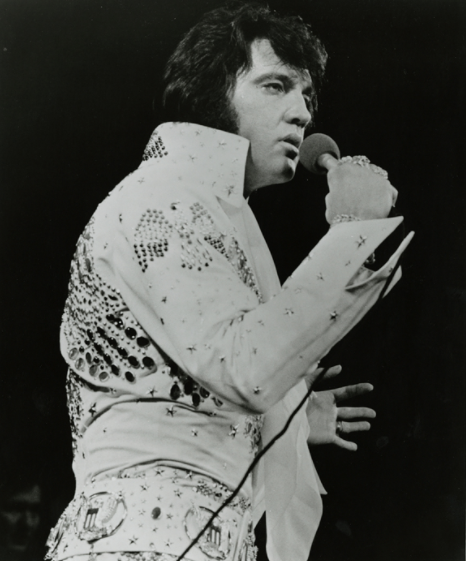
5. Elvis Presley — Utica Memorial Auditorium — August 19, 1977
Some of the greatest concerts are the ones that never happened.
Elvis Presley was booked to play the Utica Memorial Auditorium on the night of August 19, 1977. The tickets were printed — twelve and fifteen dollars, and collectors still trade the unused stubs today. And then, on August 16, Elvis died at Graceland, and the tour that was to run through Utica, Syracuse, Hartford, and beyond simply stopped. The Aud never got its Elvis show. But the booking was real, the date was set, and for a strange few days in August 1977 the biggest star in the history of American music was scheduled to stand on a stage in downtown Utica. That he never did is its own kind of history — a concert remembered forever precisely because it vanished.
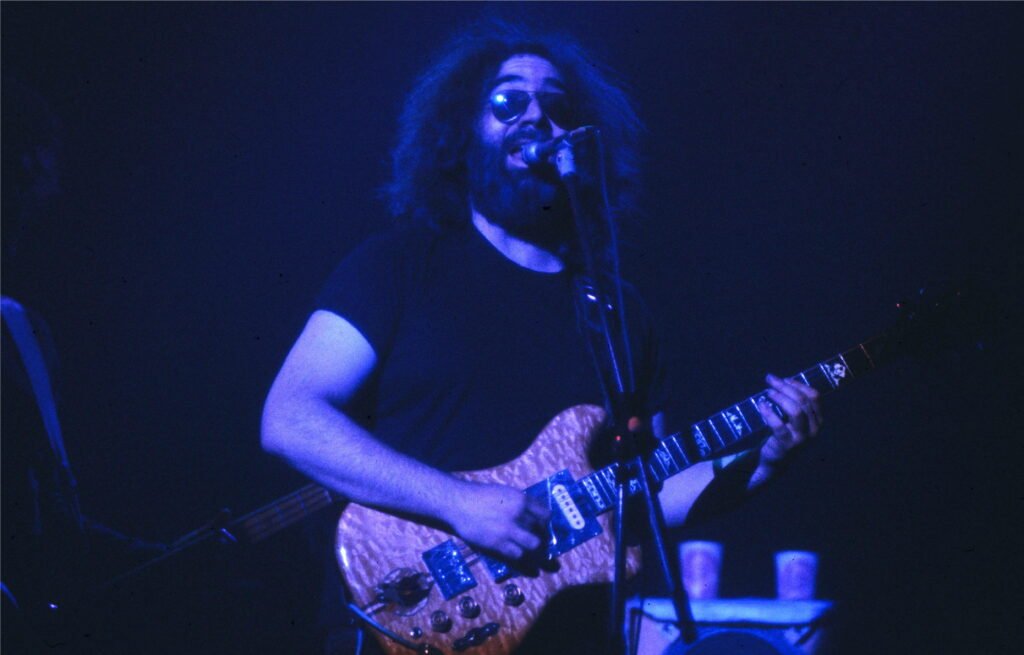
4. The Grateful Dead — Utica Memorial Auditorium — March 13, 1981
The Grateful Dead played the Aud more than once — a two-night stand in 1973, a return in 1979 — but the night the faithful still talk about is March 13, 1981. The setlist has been passed hand to hand for more than forty years: “Shakedown Street” to open the road, “Estimated Prophet” melting into “Eyes of the World,” “Sugar Magnolia” to send everyone home. For the Deadheads of central New York, this was the local holy day, the night their traveling nation set up inside their own downtown arena. Of all the barns the Dead graced across three decades, the Utica Aud earned a permanent place in the region’s memory. Ask around Oneida County; someone’s uncle was there.
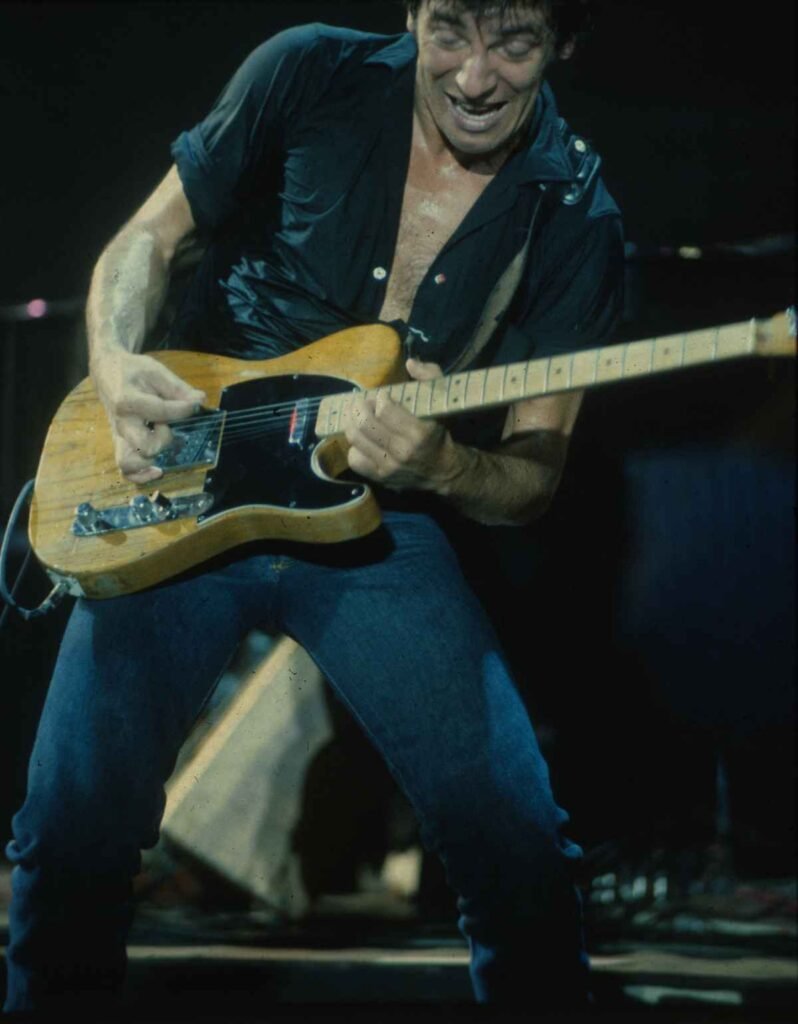
3. Bruce Springsteen — Utica Memorial Auditorium — November 14, 1978
By the late fall of 1978, Bruce Springsteen and the E Street Band were in the middle of the tour that legend was built on — the marathon Darkness on the Edge of Town shows — and on November 14 they brought it to the Aud. The setlist that survives runs twenty-three songs deep, opening with a cover of “Rave On!” and closing, hours later, with the delirious one-two of the “Detroit Medley” and “Quarter to Three.” This was Springsteen in the years when he was still proving it every single night, treating a downtown arena in upstate New York exactly like Madison Square Garden — because to him there was no difference. People who were in the building that night have spent the rest of their lives describing it. It is, by wide agreement, one of the greatest concerts the Aud ever held.
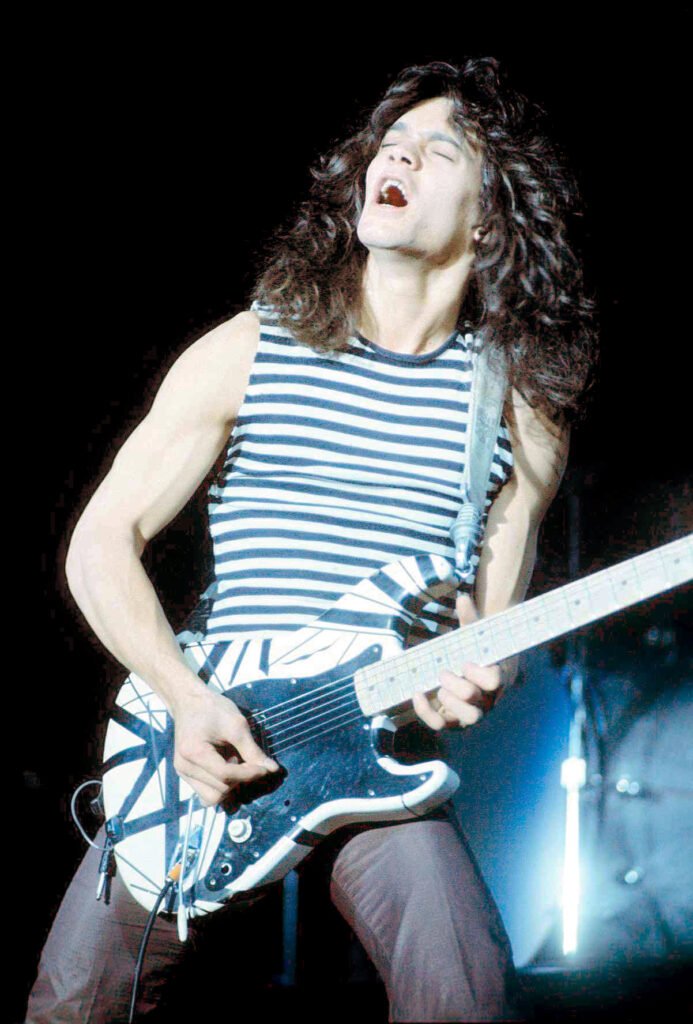
2. Black Sabbath & Van Halen — Utica Memorial Auditorium — September 7, 1978
Here is a bill almost too good to be true: on September 7, 1978, Black Sabbath headlined the Aud on their Never Say Die! tour — and the opening act was Van Halen.
Consider the collision. Sabbath were the reigning gods of heavy metal, ten years into inventing the genre. Van Halen were the future, a Los Angeles band whose self-titled debut had landed just seven months earlier and was already changing what a guitar could sound like; Eddie Van Halen’s “Eruption” was rewiring the ambitions of every kid who owned a six-string. For one night in Utica, the past and the future of hard rock stood on the same stage, and by many accounts the young openers nearly stole the whole thing. Two eras of metal, one downtown arena, one unrepeatable evening. It is the finest single bill in the Mohawk Valley’s history — and it is only number two.
1. Woodstock ’99 — Griffiss Air Force Base, Rome — July 22–25, 1999
And then there is the one the whole world remembers, for all the wrong reasons.
By the summer of 1999, the Woodstock name had already been revived once, at Saugerties in 1994. For its thirtieth anniversary, the promoters went bigger and harder, and they chose the wide, sun-baked concrete of the recently decommissioned Griffiss Air Force Base in Rome. The lineup was a snapshot of the era’s rawest nerve: Korn and Bush on Friday; Kid Rock, Limp Bizkit, Rage Against the Machine, and Metallica on Saturday; Jewel, Creed, and the Red Hot Chili Peppers to close on Sunday. Somewhere between 200,000 and a quarter-million people came, with weekend estimates running higher still. It was, by attendance, one of the largest concerts in American history — and the Mohawk Valley’s own moe., a band with roots down the road, played the West Stage on Friday afternoon.
What happened over those four days has been documented in books and two major networks’ documentaries, and it should be told plainly. The heat topped 100 degrees. Water sold for four dollars a bottle when it was available at all, and the sanitation collapsed into overflowing filth by Saturday. Frustration curdled into something darker. There were reports of sexual assault in the crowds — at least four rapes were formally investigated by police, and later reporting compiled roughly ten documented incidents in all, with journalists and researchers who reviewed the footage believing the true number was significantly higher. And on Sunday night, as the Chili Peppers closed the festival, candles handed out for an anti-violence vigil became the spark for bonfires; the fires spread, trailers were looted and burned, and the New York State Police recalled hundreds of troopers to restore order. Some outlets pointed to the band’s closing cover of Jimi Hendrix’s “Fire” — that was a media narrative more than a proven cause, but the flames were real enough.
Three people died. David DeRosia, twenty-four, collapsed from the heat during Metallica’s set and never recovered. Tara Weaver, twenty-eight, of Troy, was struck by a car as she left the grounds. A third man, forty-four, died of cardiac arrest at the campground. Thousands more were treated in medical tents over the weekend.
We do not rank Woodstock ’99 first because it was good. We rank it first because it is, without question, the largest and most historically consequential thing that ever happened in Mohawk Valley music — the festival that broke the Woodstock name for good, that changed how American festivals are policed and planned, that the whole country watched in real time and has never forgotten. Its story is a hard one, and the people it hurt deserve to have it told honestly rather than mythologized. It is the greatest concert in Utica and Rome history in the truest sense of the word: the one that mattered most. It just also happened to be a warning.
A region that makes its own
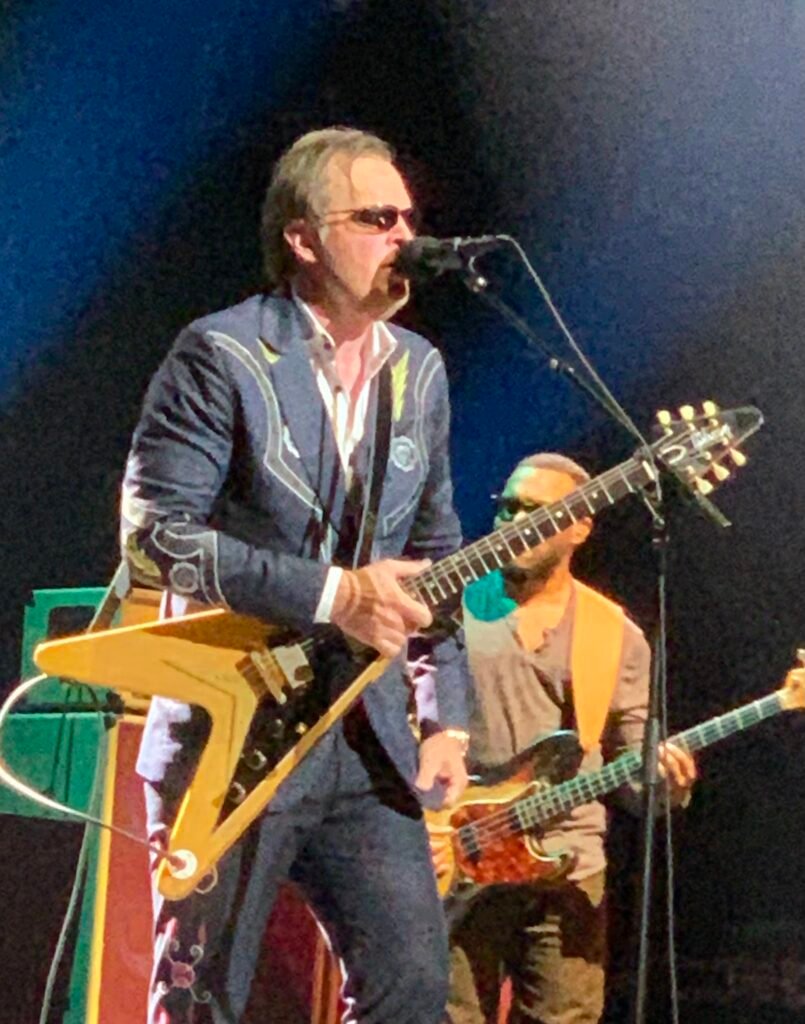
The Mohawk Valley does not only host music; it produces it. The clearest proof is Joe Bonamassa, born in New Hartford and raised in Utica, now one of the most successful blues-rock guitarists alive — a man who opened for B.B. King at the age of twelve and has since put more albums atop the blues chart than anyone in history. And there is a genuinely remarkable coincidence hiding in the rock canon: two different lead singers of the band Boston came from Utica. Fran Cosmo, a Utica Free Academy graduate, sang lead on Boston’s 1994 album Walk On; Tommy DeCarlo, the Utica-born fan who taught himself to sing Boston’s catalog and was plucked from obscurity to front the band, carried that torch until his death this past March. One small city, two voices of an arena-rock institution.
Even Hollywood’s Mohawk Valley thread runs back to the music. Annette Funicello — the original Mouseketeer, the Beach Party star, a charting pop singer in her own right — was born in Utica in 1942. Her father, before the family moved west, repaired vehicles at the Rome air depot that would one day become Griffiss Air Force Base. The ground that hosted the region’s most infamous concert had, decades earlier, employed the father of one of its most famous daughters. The Mohawk Valley keeps circling back on itself like that.
The ones that just missed
No list of ten could hold all of it. Hamilton College in nearby Clinton has quietly booked giants through its Great Names series — Aretha Franklin filled its field house in 2008, and B.B. King played there in 1998. Back at the Aud, Jefferson Airplane played in November 1969 with the show broadcast live on WOUR-FM, and Mountain brought the thunder in 1970. In January 1967, Simon & Garfunkel played the Aud in the thick of their folk-rock rise. And long before rock and roll, the Capitol Theatre in Rome hosted the big-band royalty of its day, from the Dorsey Brothers to Paul Whiteman’s orchestra with a young Bing Crosby out front in 1929.
The Mohawk Valley has been making noise for a hundred years — in movie palaces and downtown arenas, on college fields and, once, catastrophically, on an old airbase in Rome. It has held rock and roll’s first breath and one of its ugliest hours. That is a fuller concert history than a region this size has any right to claim. It is all here, and it is all true.
🎫 Upcoming Shows in the Utica-Rome Area
The legends made history here — now go make your own.
Image credits
- Utica Memorial Auditorium — photo: Doug Kerr, CC BY-SA 2.0 via Wikimedia Commons.
- Stanley Theatre, Utica — photo: Andre Carrotflower, CC BY-SA 4.0 via Wikimedia Commons.
- Kiss, 1976 — photo: Casablanca Records, Public Domain via Wikimedia Commons.
- Bill Haley and His Comets, 1956 — photo: Decca Records, Public Domain via Wikimedia Commons.
- moe. — photo: hex1848, CC BY-SA 2.0 via Wikimedia Commons.
- Ozzy Osbourne, 1981 — photo: Andrew King, CC BY-SA 2.0 via Wikimedia Commons.
- Elvis Presley, 1973 — photo: RCA Records, Public Domain via Wikimedia Commons.
- Jerry Garcia, c. 1980 — photo: Carl Lender, CC BY 2.0 via Wikimedia Commons.
- Bruce Springsteen, New Haven, c. 1978 — photo: Carl Lender, CC BY 2.0 via Wikimedia Commons.
- Eddie Van Halen, September 1978 — photo: Carl Lender, CC BY 2.0 via Wikimedia Commons.
- Griffiss Air Force Base, 1986 — photo: John Shearer / U.S. Air Force, Public Domain via Wikimedia Commons.
- Joe Bonamassa, 2023 — photo: Lightburst, CC BY-SA 4.0 via Wikimedia Commons.
What did we get wrong? Which Utica or Rome night belongs on this list that we left off? Tell us on Facebook and Instagram — your picks help decide our upcoming ranking of the greatest concerts in all of Upstate New York.
This is the latest chapter in The Greatest Concerts Ever, Upstate Concerts’ city-by-city search for the most legendary nights in New York live-music history. Catch up on the rest of the series: Buffalo, Syracuse, Albany, Rochester, Ithaca, Poughkeepsie, the North Country, and Saratoga.