Everyone knows that Woodstock happened in Woodstock. Everyone is wrong.
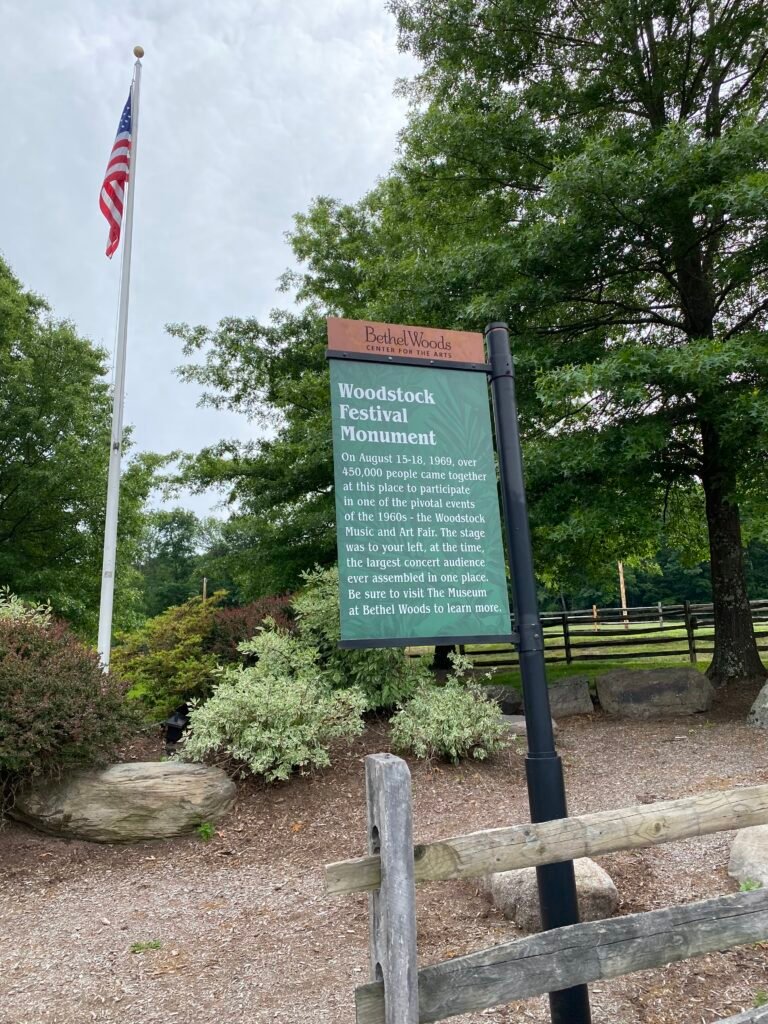
The most famous concert in the history of the world — the four days in August 1969 that gave a generation its name — did not take place in the town of Woodstock, New York. It happened on a dairy farm in Bethel, sixty miles to the southwest. The festival was named for Woodstock, was dreamed up in Woodstock, was very nearly staged in Woodstock — and then the town said no. So did Saugerties. So, finally and famously, did the town of Wallkill, whose zoning board revoked the permit one month before showtime. A farmer named Max Yasgur offered his fields in Bethel in the nick of time, and the rest became the most mythologized weekend in American culture.
That tangle — the festival that everyone associates with a town it never actually visited — is the perfect way into the real story, which is stranger and richer than the myth. Because the town of Woodstock has its own concert history, one that stretches back more than a century and runs right up to the present, and Bethel has become a genuine concert destination in its own right. This is the greatest music this whole storied corner of the Catskills ever made. This is where we tell all of it.
The rules
The same promise we make in every chapter of this series applies here, and it takes some discipline in a place this mythologized. Every concert below actually happened, on the date we give, at the venue we name. Where the record is contested — an attendance figure, a founding date — we give ranges and say so. And we are ranking concerts, not records: as much as this region gave the world in the recording studio, the Basement Tapes and Moondance and Big Pink are heritage, not shows, and they wait for us in a sidebar at the end.
A few places recur here like characters. There is Bethel — Yasgur’s farm, now the grounds of the Bethel Woods Center for the Arts. There is the Maverick Concert Hall, a hand-built barn in the woods older than any of it. And there is the Barn at Levon Helm’s studio, where one of the great American musicians threw a rent party that never ended. Let’s count down.
10. Maverick Concerts — opening night — late July, 1916
Woodstock’s concert history does not begin with the festival. It begins fifty-three years earlier, in a hand-built wooden hall in the woods.
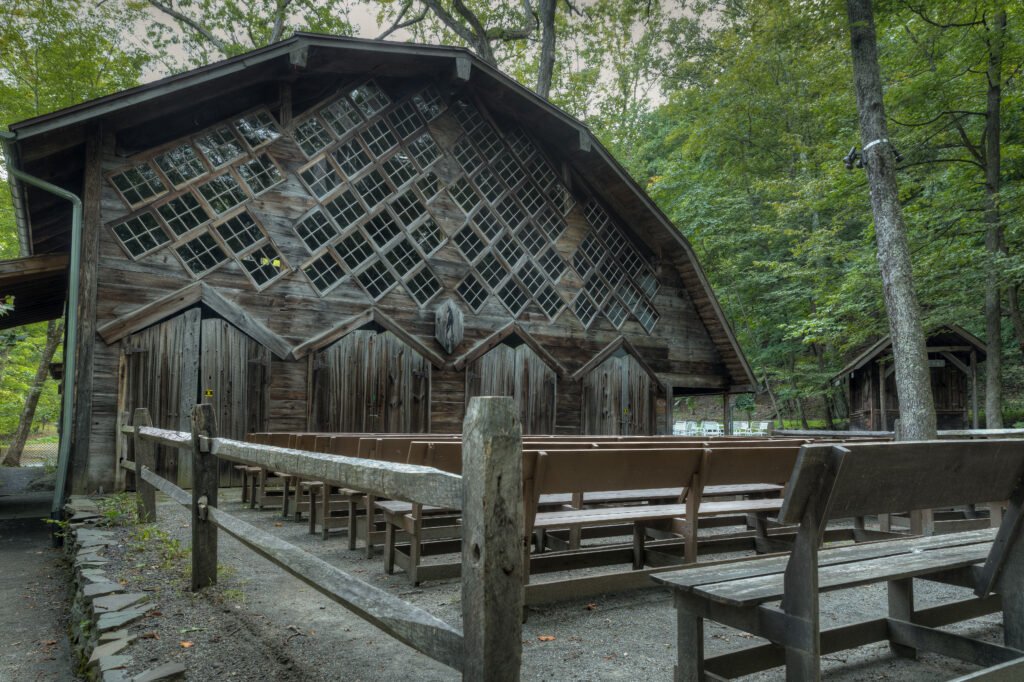
In the summer of 1916, the writer and utopian Hervey White opened a rustic music barn on his Maverick art colony outside Woodstock and staged a chamber concert — Haydn, Bruch, Schumann — to raise money for the colony’s well. More than a century later, Maverick Concerts is still running every summer, the oldest continuous summer chamber-music festival in the United States. Before Woodstock meant mud and half a million people, it meant string quartets in a barn where the sunlight came through the cracks in the walls. That pedigree — genuine, unbroken, and old — is the foundation everything else on this list was built on.
9. The Woodstock Sound-Outs — Labor Day weekend, 1967
Two years before Bethel, the festival that would change everything already had a prototype — and it happened just outside the town of Woodstock.
Over Labor Day weekend in 1967, a series of open-air concerts called the Sound-Outs began on Pan Copeland’s farm on the Glasco Turnpike: a hand-built stage, a field, and a bill that included Richie Havens, Tim Hardin, and Phil Ochs. The Sound-Outs ran for several summers and drew the exact crowd — and the exact idea — that a young promoter named Michael Lang was watching closely. In his own words, “the Sound-Outs were kind of the spark for the Woodstock festival.” The blueprint for the biggest concert in history was drawn in a Woodstock cow pasture, and almost nobody remembers it. We do.
8. Jimi Hendrix’s Tinker Street jam — August 10, 1969
Five days before he closed the festival that made him immortal, Jimi Hendrix played an off-the-books set in the actual town of Woodstock.
On August 10, 1969, Hendrix — who was renting a house nearby as he rehearsed the loose new band he would bring to Bethel — turned up at the Tinker Street Cinema and jammed. Backing him were the percussionist Juma Sultan and two of Santana’s players, Michael Carabello and José “Chepito” Areas, who had their own date in the region that day. There is no professional footage, only a circulating recording the collectors call “Blues Before Woodstock.” But it happened, in the town itself, days before the world turned its eyes to a farm an hour away. The most famous guitarist alive, warming up in Woodstock proper. It counts.
7. Mountain Jam — Levon Helm’s 70th Birthday — Hunter Mountain — June 2010
The festival tradition that Woodstock invented never really left the Catskills — it just moved up the mountain.
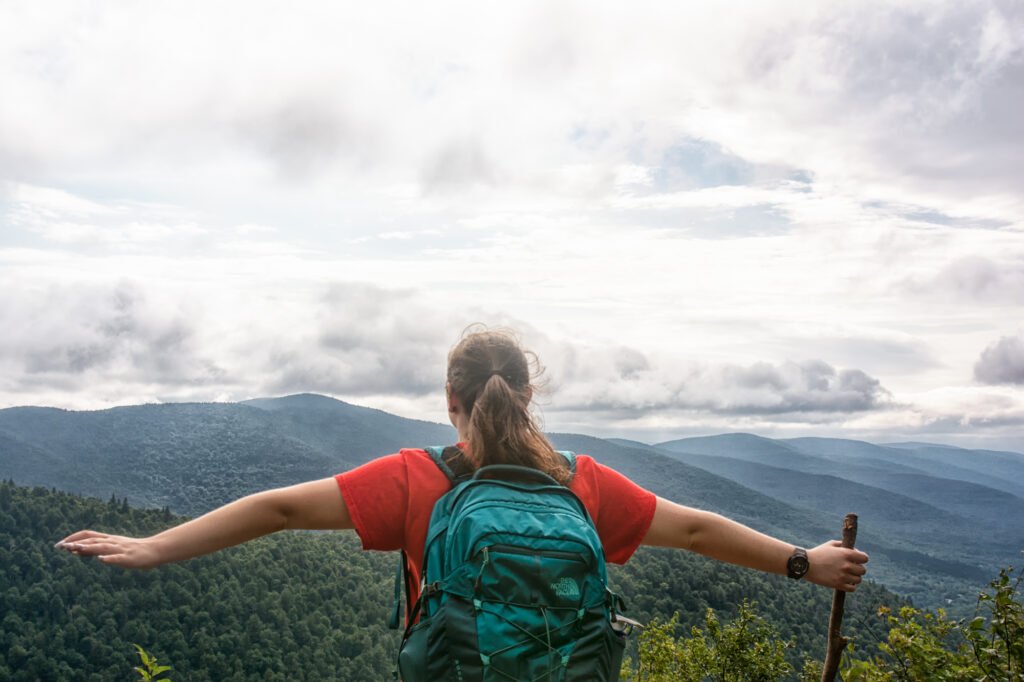
Founded in 2005 by Woodstock’s own radio station to mark its twenty-fifth anniversary, Mountain Jam grew into the Northeast’s great jam-band gathering on the slopes of Hunter Mountain. Its finest hour came in June 2010, when the festival threw a seventieth-birthday jubilee for Levon Helm and the guests kept coming: Warren Haynes, Steely Dan’s Donald Fagen, Ray LaMontagne, Sam Bush, Steve Earle. They closed, of course, with “The Weight.” It was a mountain full of people singing a song written a few valleys over, honoring a man who lived down the road — the whole Woodstock ethos, alive and well four decades after the farm.
6. A Day in the Garden — Bethel — August 1998
For the thirtieth anniversary of the festival, someone finally threw a concert on the actual ground where it happened.
In August 1998 — a full decade before the Bethel Woods amphitheater would be built — the Gerry family staged A Day in the Garden directly on Yasgur’s original field, and they stacked the bill with legends: Pete Townshend, Joni Mitchell, Lou Reed, Richie Havens (who had opened the ’69 festival), Ten Years After, Stevie Nicks, Donovan. It was a reverent, deliberately peaceful counterpoint to the chaos that the Woodstock name had come to carry by the late nineties, and it was the event that convinced Alan Gerry the site deserved a permanent home. Everything Bethel Woods became started with this weekend on the grass.
5. John Cage’s “4′33″” — Maverick Concert Hall — August 29, 1952
The single most radical thing that ever happened on a Woodstock stage was the sound of nothing at all.
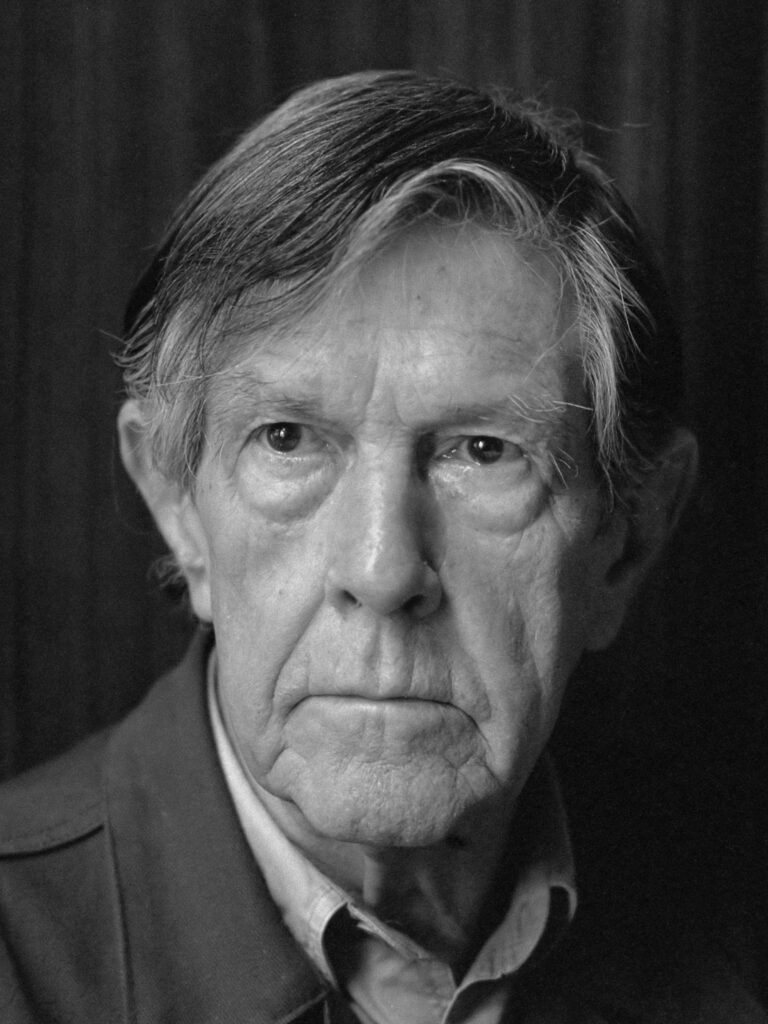
On August 29, 1952, in that same Maverick Concert Hall, the pianist David Tudor sat down at the piano, closed the lid, and for four minutes and thirty-three seconds played nothing — opening and closing the keyboard cover to mark three movements while the audience listened to the wind, the rain on the roof, and their own uneasy shifting. It was the world premiere of John Cage’s “4′33″,” one of the most argued-over works in the history of music, a piece that asked whether silence itself could be a composition. It divided the room and it never stopped dividing rooms. Half a century of avant-garde music flows out of that barn in the woods, on a night when the greatest concert was the one where no notes were played.
4. Levon Helm’s Midnight Ramble — The Barn, Woodstock — 2004 onward
When Levon Helm was broke and sick and nearly silenced, he saved himself by throwing a party — and it became one of the most beloved concert traditions in American music.
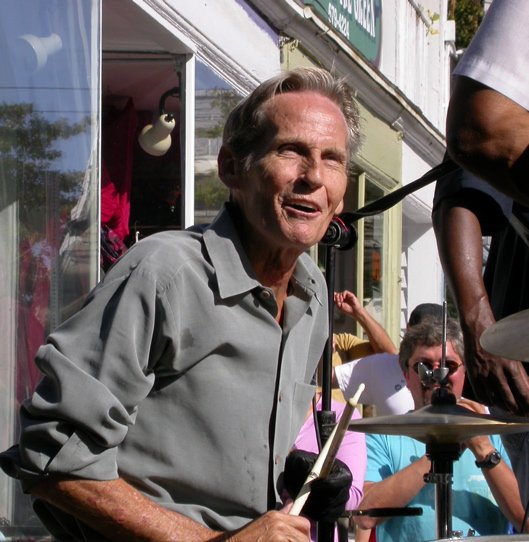
In 2004, facing bankruptcy and recovering from the throat cancer that had stolen his voice, the drummer and singer of The Band began hosting intimate concerts in the barn beside his Woodstock home to pay the bills. He called them Midnight Rambles, and word spread fast: Emmylou Harris, Kris Kristofferson, Elvis Costello, Dr. John, Mavis Staples, and My Morning Jacket all made the pilgrimage to play a few dozen feet from the crowd. The Rambles brought Helm’s voice — and his career — roaring back; the album he cut in that barn, Dirt Farmer, won a Grammy. Helm died in 2012, and the Rambles carried on at the Barn in his memory; they are on pause as of this year. But for the better part of two decades, the most intimate great concert in America happened in a Woodstock hayloft, hosted by a legend who refused to go quietly.
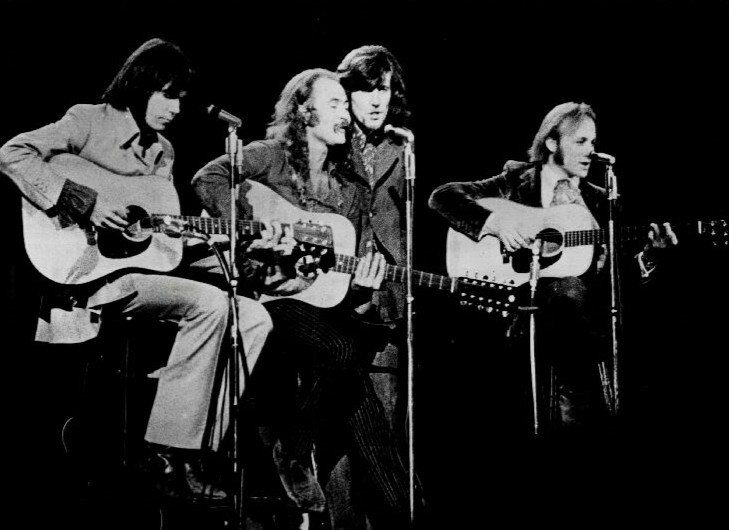
3. Crosby, Stills, Nash & Young — Bethel Woods — August 13, 2006
When the site of the ’69 festival finally reopened as a permanent concert venue, it needed exactly the right band to consecrate it. It got them.
In its opening weeks in the summer of 2006, the new Bethel Woods Center for the Arts — built on the very field where the festival had happened — welcomed Crosby, Stills, Nash & Young, who had famously played Woodstock in 1969 as one of their first concerts ever. Thirty-seven years later, the four of them stood again on that ground, and closed the encore with “Woodstock,” Joni Mitchell’s anthem about a festival she hadn’t even attended. It was the moment the site stopped being a memorial and became a stage again — the past and the present shaking hands on Max Yasgur’s farm.
2. Santana’s 50th Anniversary Homecoming — Bethel Woods — August 17, 2019
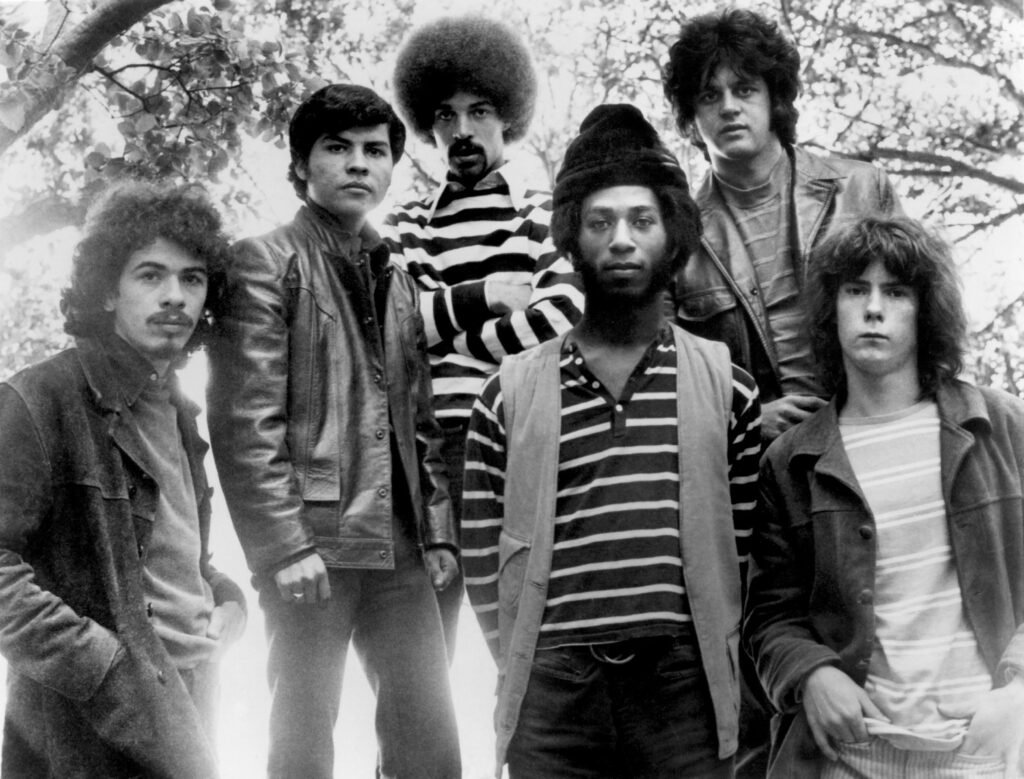
Fifty years to the weekend after a nearly unknown band called Santana stopped a crowd of 400,000 cold with “Soul Sacrifice,” Carlos Santana came back to the exact spot and did it again.
On August 17, 2019, Santana headlined Bethel Woods for the festival’s fiftieth anniversary, opening his set against a screen playing footage of his own 1969 performance and wearing a Woodstock T-shirt, as if closing a circle in real time. He played “Evil Ways,” “Black Magic Woman,” “Oye Como Va,” and welcomed the Doobie Brothers to the stage. In 1969, Santana had walked onto that field a gamble the promoters took on an unproven San Francisco act; in 2019 he returned to it a Rock and Roll Hall of Famer, on the same soil, half a century older. No artist has ever completed the Woodstock story quite so literally.
1. The Woodstock Music & Art Fair — Bethel — August 15–18, 1969
And then there is the weekend that outgrew its own name.
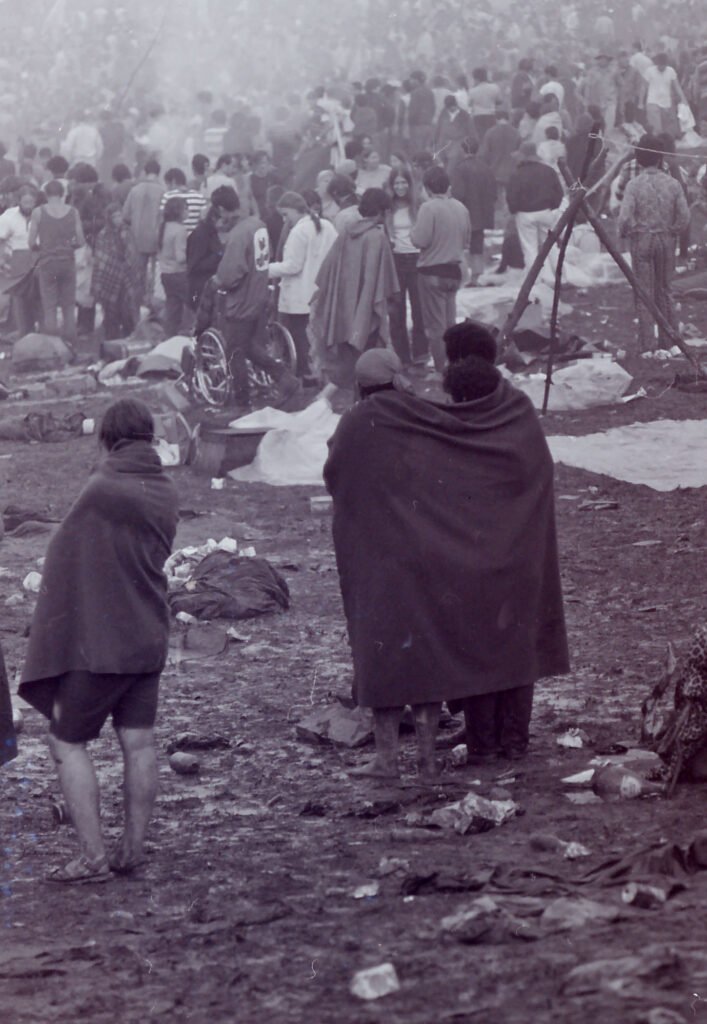
An estimated 400,000 people — some accounts run as high as half a million — came to Max Yasgur’s dairy farm in Bethel over four days in August 1969, transforming a stretch of pasture into, briefly, one of the largest cities in New York State. They came for a lineup that reads now like a canon: Richie Havens opening with an improvised “Freedom”; Santana’s “Soul Sacrifice”; Sly and the Family Stone at dawn; The Who; Joe Cocker’s shattering “With a Little Help from My Friends”; Janis Joplin; the Grateful Dead; Creedence; Crosby, Stills, Nash & Young. They endured rain, mud, gridlock, and shortages of nearly everything, and they did it, by nearly every account, peacefully — which is the reason the weekend became a symbol rather than a footnote.
It ended on Monday morning. Most of the crowd had gone home, the field was a sea of mud and debris, and Jimi Hendrix — pushed by delays from a midnight Sunday slot to just past nine on Monday — walked out in front of the fraction who remained and played his “Star-Spangled Banner”: the national anthem rendered as feedback and air-raid siren and something like grief, the definitive musical statement of a fractured country. It is the most famous single moment in the history of live music, and it happened here, in Sullivan County, New York.
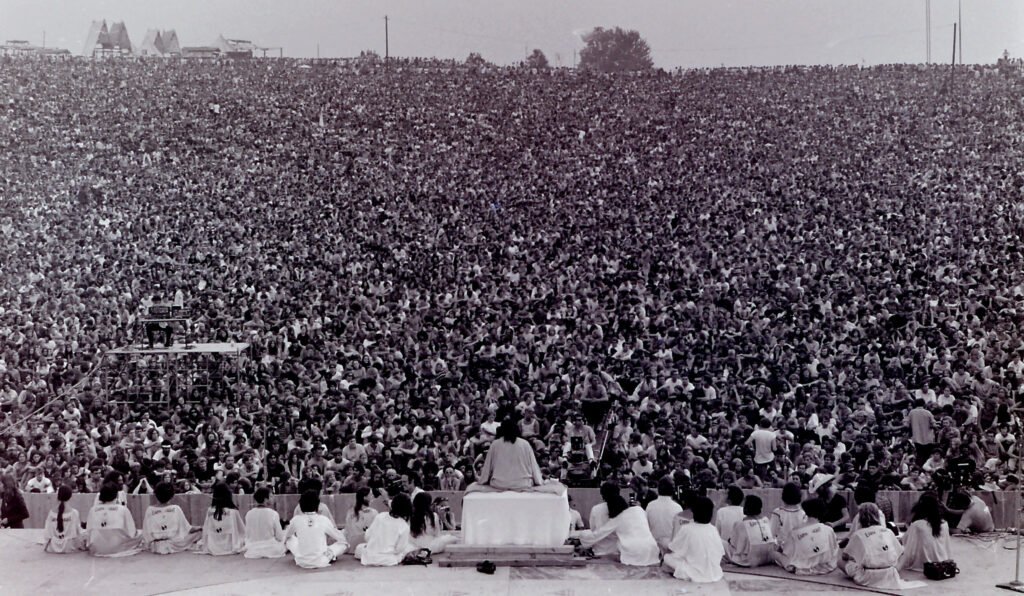
We rank it first because there is nothing else to rank first. It is the largest, the most consequential, the most mythologized concert ever held — and the enduring irony is the one we opened with: the greatest concert in Woodstock history did not happen in Woodstock at all. It happened on a farm that said yes when everyone else said no. That is the whole story of this region in a single weekend — the music was always bigger than the map.
The town that made its own
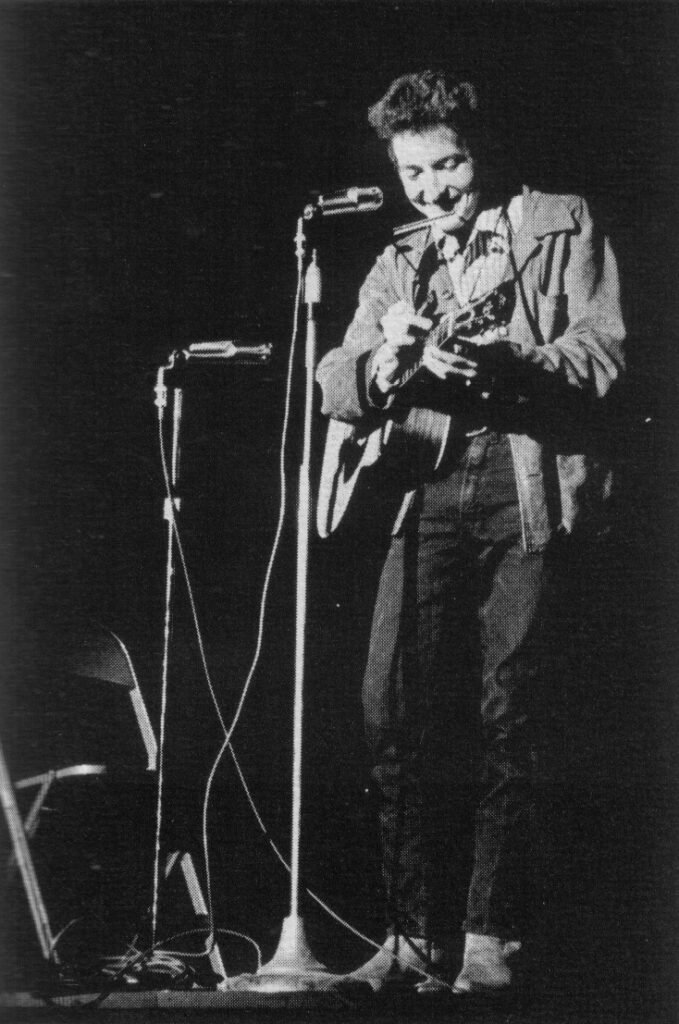
We promised you a sidebar, and here it is — the recordings, not the concerts, that make Woodstock hallowed ground. After his 1966 motorcycle accident, Bob Dylan retreated to Woodstock, and in 1967, in the basement of a salmon-colored house called Big Pink in nearby West Saugerties, he and the men who became The Band cut the informal sessions later released as The Basement Tapes. Their manager Albert Grossman built a recording empire in Bearsville that drew Janis Joplin, a young Todd Rundgren, and Van Morrison, who lived in Woodstock and wrote Moondance there in 1969. None of it was a public concert — it was a community of artists in the woods, the same bohemian pull that started the Byrdcliffe arts colony back in 1902 and never let go. Woodstock was a music town long before the festival borrowed its name, and it stayed one long after.
The ones that just missed
No list of ten could hold all of it. The modern Bethel Woods amphitheater has, in its two decades, hosted Dave Matthews Band, Elton John, Sting, and Lady Gaga on the same ground the ’69 festival consecrated. And a word of clarification, because the confusion is eternal: the 1994 anniversary festival happened in Saugerties, not Woodstock, and the notorious 1999 edition happened at a decommissioned airbase in Rome — a story we told in full in its own chapter. But the ground in Bethel, and the town of Woodstock up the road, hold the real thing: a century of music, a silent piano, a rent party that became a legend, and the weekend the whole world agreed to remember by the wrong name.
🎫 Upcoming Shows in the Woodstock Area
The legends made history here — now go make your own.
Image credits
- Woodstock festival crowd, Aug. 1969 — photo: Mark Goff, Public Domain via Wikimedia Commons.
- Swami Satchidananda opening the festival, 1969 — photo: Mark Goff, Public Domain via Wikimedia Commons.
- Jimi Hendrix, 1967 — photo: Marjut Valakivi, Public Domain via Wikimedia Commons.
- Santana, 1969 — photo: Columbia Records, Public Domain via Wikimedia Commons.
- Crosby, Stills, Nash & Young, 1970 — photo: CMA / Atlantic Records, Public Domain via Wikimedia Commons.
- Levon Helm, Woodstock NY, 2004 — photo: Jaime Martorano, CC BY-SA 3.0 via Wikimedia Commons.
- John Cage, 1988 — photo: Rob Bogaerts / Anefo, CC0 via Wikimedia Commons.
- Woodstock Festival Monument, Bethel — photo: Plantsmushrooms, CC BY 4.0 via Wikimedia Commons.
- Hunter Mountain — photo: Jess Mann, CC BY-SA 4.0 via Wikimedia Commons.
- Maverick Concert Hall — photo: John E Leslie III, CC BY-SA 4.0 via Wikimedia Commons.
- Bob Dylan, 1963 — Public Domain via Wikimedia Commons.
What did we get wrong? Which Woodstock or Catskills night belongs on this list that we left off? Tell us on Facebook and Instagram — your picks help decide our upcoming ranking of the greatest concerts in all of Upstate New York.
This is the latest chapter in The Greatest Concerts Ever, Upstate Concerts’ city-by-city search for the most legendary nights in New York live-music history. Catch up on the rest of the series: Buffalo, Syracuse, Albany, Rochester, Ithaca, Poughkeepsie, the North Country, Saratoga, and Utica/Rome.