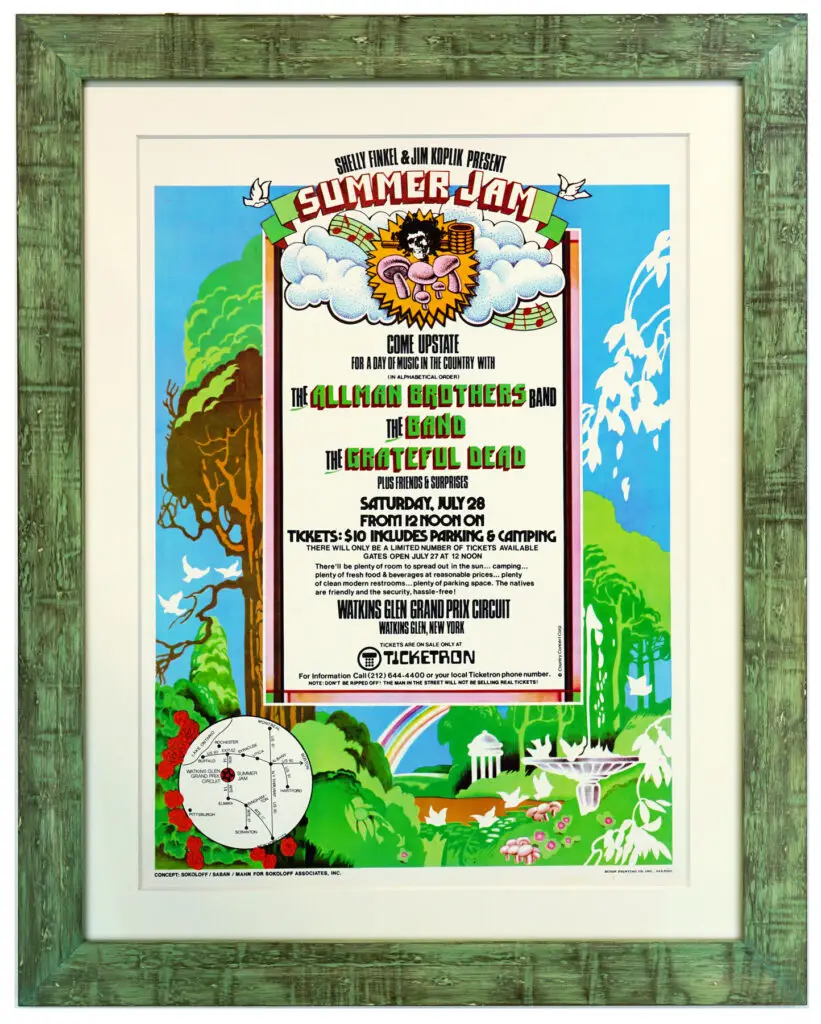
On July 28, 1973, one in every 350 Americans alive was standing in a field in Watkins Glen.
Roughly 600,000 of them had come to a Finger Lakes racetrack to see three bands — the Grateful Dead, the Allman Brothers Band, and The Band — play a single day of music. Only 150,000 had tickets. The rest simply walked in when the gates were overwhelmed and abandoned. It was, at the time, the largest gathering for a concert in American history — bigger than Woodstock, on a raceway most of the country couldn’t find on a map. Cars sat abandoned on Route 17 for miles. And the day before, so many people had already arrived that the Dead’s routine soundcheck turned into a full surprise concert for a crowd already the size of a city.
That is upstate New York’s secret: it is not merely a place festivals have visited. It is a place that grew them — the birthplace of the modern music festival as we understand it, and the ground where several of the largest gatherings in the history of the country happened. Woodstock was here. So was its ruin. So was the festival that reinvented the campout, the oldest chamber-music series in America, and a hundred smaller gatherings that turned fields, ski hills, racetracks, and abandoned Air Force bases into temporary cities of sound.
We set out to rank the fifty greatest. Here is how we did it.
The rules
Every festival on this list actually happened, in New York, north of the city — from Buffalo to the Adirondacks, the Finger Lakes to the Catskills. We weighed three things: scale, legend, and legacy — the raw size of the crowd, the size of the story, and what the festival left behind. Recurring festivals earn a single entry for the institution; a singular one-off (or one-time disaster) earns its own. Concert series, single-artist mega-shows, and festivals that only wear a New York address on a technicality were left off. Where the record is contested, we say so. A countdown, then, from fifty to one.
50–41: the modern crop and the deep cuts
50. Catbird Music Festival — Bethel Woods, 2023–. A camping festival on the literal Woodstock field — the Lumineers, Tyler Childers, and the Trey Anastasio Band on Yasgur’s old pasture, proof the ground still draws them.
49. Cobblestone Live — Buffalo, 2018–. A two-day music-and-arts festival in Buffalo’s Historic Cobblestone District, multiple stages under the Skyway.
48. Ferrario Elmira Jazz Festival — Elmira, 2012–. The Southern Tier’s own jazz weekend, keeping the tradition alive south of the Thruway.
47. Disc Jam Music Festival — Stephentown, 2011–. A grassroots jam-and-electronic campout at Gardner’s Farm that grew from a dozen bands to a genuine Northeast circuit stop — with disc golf.
46. Adirondack Independence Music Festival — Lake George, 2015–. Born from a free concert series of fifty people in Shepard Park, “ADK Fest” grew into a moe.-headlined Labor Day fixture on the shore of Lake George.
45. Another Roadside Attraction — Darien Lake, July 30, 1997. The Tragically Hip’s traveling festival touched down outside Buffalo with Wilco, Sheryl Crow, and Los Lobos — a rare true multi-act festival bill in western New York.
44. The Hudson Project — Saugerties, July 2014. The first festival on Winston Farm since Woodstock ’94 — and, fittingly, another mud disaster. Flooding forced a Sunday evacuation and cancellation; fans dubbed it “the Mudson Project.”
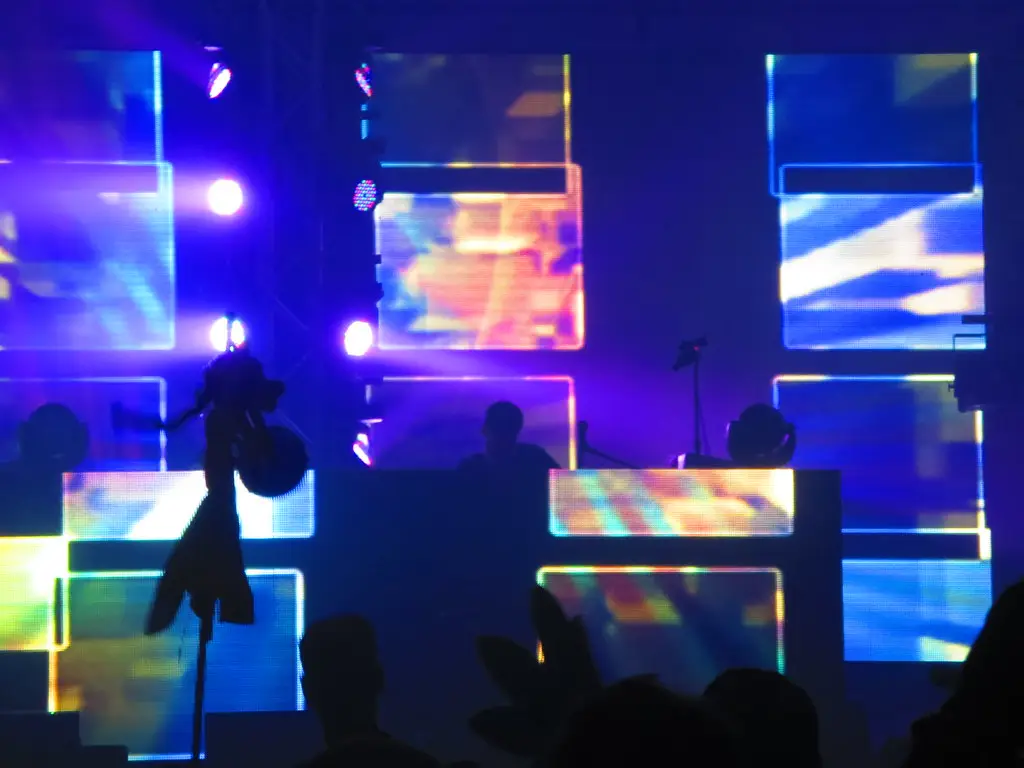
43. Belleayre Music Festival — Highmount, 1992–. A mountaintop series in the Catskills that brought Ray Charles, Wynton Marsalis, and Lyle Lovett to a ski center.
42. Winter & Summer Hoot — Ashokan Center, Olivebridge, 2013–. A community folk gathering hosted by Jay Ungar and Molly Mason — the composers of “Ashokan Farewell,” the aching fiddle theme of Ken Burns’s The Civil War.
41. Basilica SoundScape — Hudson, 2011–. A curated, deliberately small “anti-festival” in a former glue factory on the river, where experimental music and literature share a bill.
40–31: the institutions
40. Cornell Slope Day — Ithaca. The end-of-year blowout on Libe Slope, with a lineage running from Janis Joplin at Barton Hall to Kanye West, Kendrick Lamar, and Snoop Dogg on the hill.
39. Adirondack Folk Music Festival — Schroon Lake, ~1990–. A North Country folk mainstay that has kept traditional music echoing off the High Peaks for three decades.
38. O+ Festival — Kingston, 2010–. A festival with a genuinely radical model: musicians and artists trade performances for free healthcare from volunteer doctors and dentists. It worked so well it was franchised nationwide — but it started in Kingston.
37. Borderland Music & Arts Festival — East Aurora, 2017–. A roots-and-rock weekend on a former polo estate at Knox Farm, the freshest face in the western New York scene.
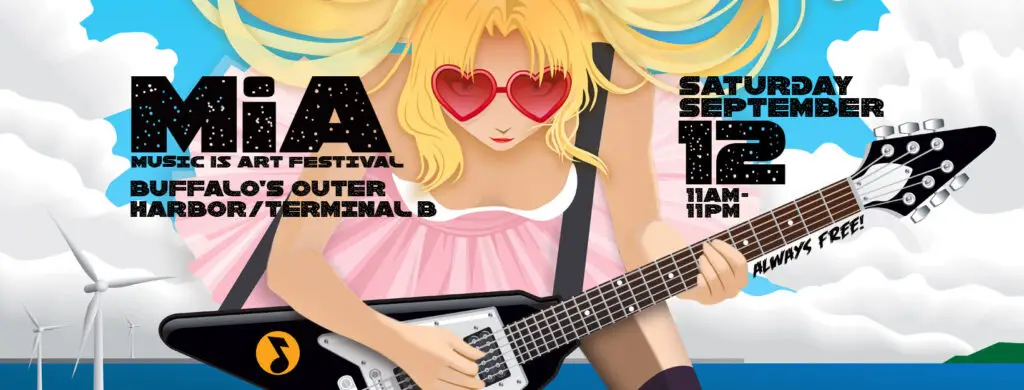
36. Music Is Art — Buffalo, 2003–. Founded by Goo Goo Dolls bassist and Buffalo native Robby Takac, it began in a parking lot and grew into a free, 20-stage, 200-band celebration of the city’s underground.
35. Artpark — Lewiston, 1974–. A summer-long arts-and-music institution perched above the Niagara Gorge; its very first season featured Miles Davis and a then-unknown Bonnie Raitt selling three-dollar tickets. (Artpark venue guide.)
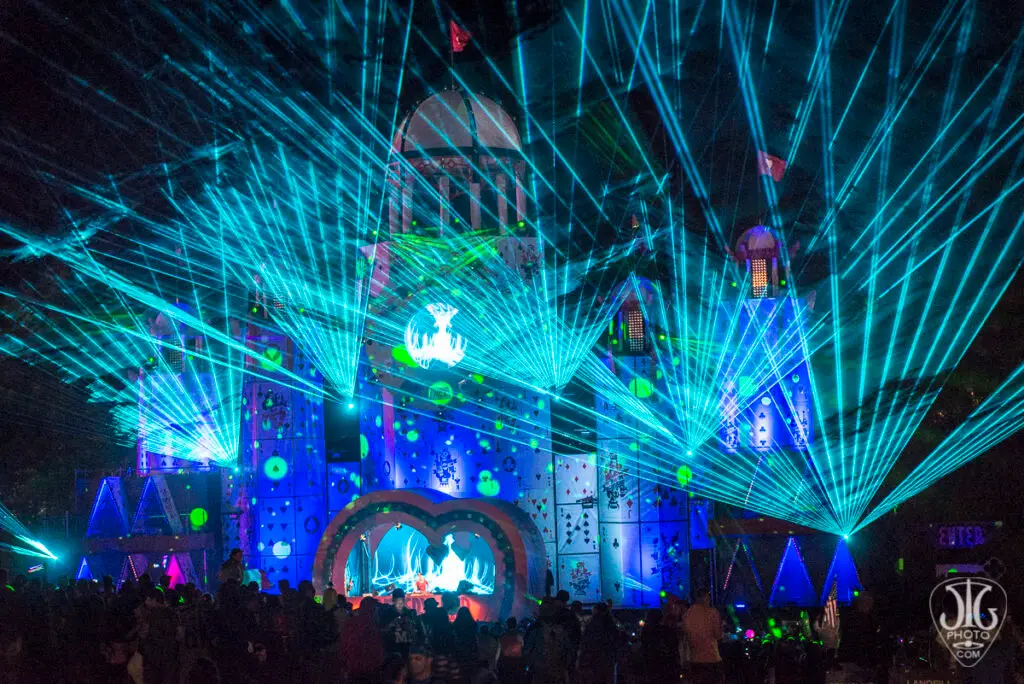
34. Mysteryland USA — Bethel Woods, 2014–2016. The first great electronic-music camping festival to plant its flag on the original Woodstock grounds — 50,000 dancers where the mud once was.
33. snoe.down — Lake Placid, 2006–2007. moe.’s winter festival, staged inside the Olympic Center — a jam-band campout in the same rink as the Miracle on Ice, with fans skating between sets.
32. WYRK Taste of Country — Buffalo, 2001–. Western New York’s country institution, drawing its record 27,000 to a downtown ballpark for a single day of Nashville’s biggest names.
31. Jazz at the Lake (Lake George Jazz Weekend) — Lake George, 1984–. A free festival in Shepard Park that DownBeat once called one of the best-kept secrets on the Eastern jazz circuit — and one of the twenty longest-running jazz festivals in the country.
30–21: legends and mainstays
30. Kingdom Bound — Darien Lake, 1987–. One of the longest continuously running Christian-music festivals in America, drawing tens of thousands to the theme park every summer for nearly four decades.
29. Gathering of the Vibes — Plattsburgh (1998) & Mariaville (2002–2006). The Deadhead tribe’s wandering years, when the festival born to keep Jerry Garcia’s spirit alive made its home in upstate New York before decamping for Connecticut.
28. New York State Blues Festival — Syracuse, 1992–. One of the largest free blues festivals in the Northeast, bringing Buddy Guy and a river of tradition to Central New York every June.
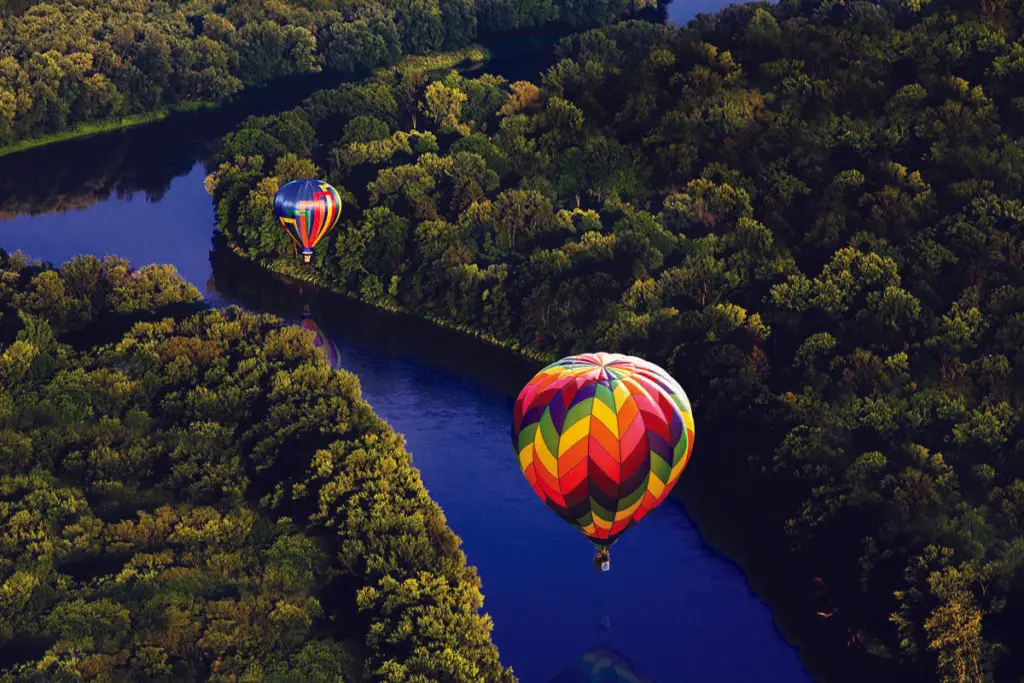
27. Spiedie Fest & Balloon Rally — Binghamton, 1983–. A hyper-local combination of grilled spiedies, hot-air balloons, and a main stage that has grown to draw 50,000–70,000 across a Southern Tier weekend.
26. Old Songs Festival — Altamont, 1981–. The Capital Region’s flagship folk, traditional, and Celtic gathering at the Altamont Fairgrounds — over a hundred workshops, dances, and concerts a year.
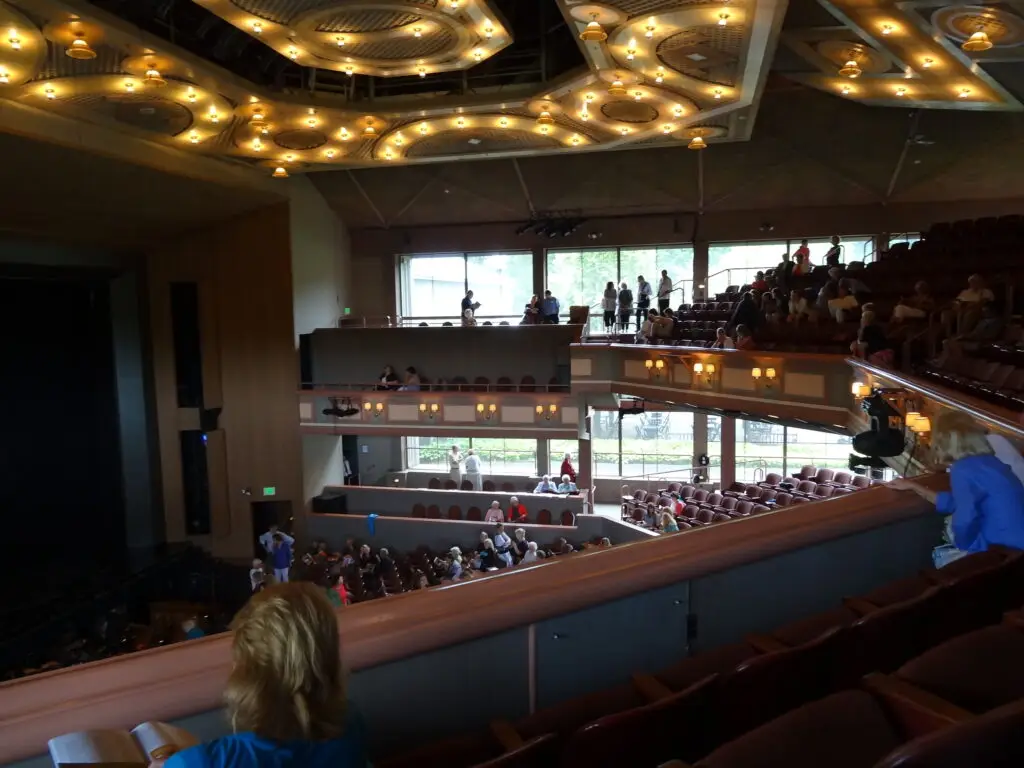
25. Glimmerglass Festival — Cooperstown, 1975–. The second-largest summer opera festival in the United States, staged in a jewel-box theater on the shore of Otsego Lake.
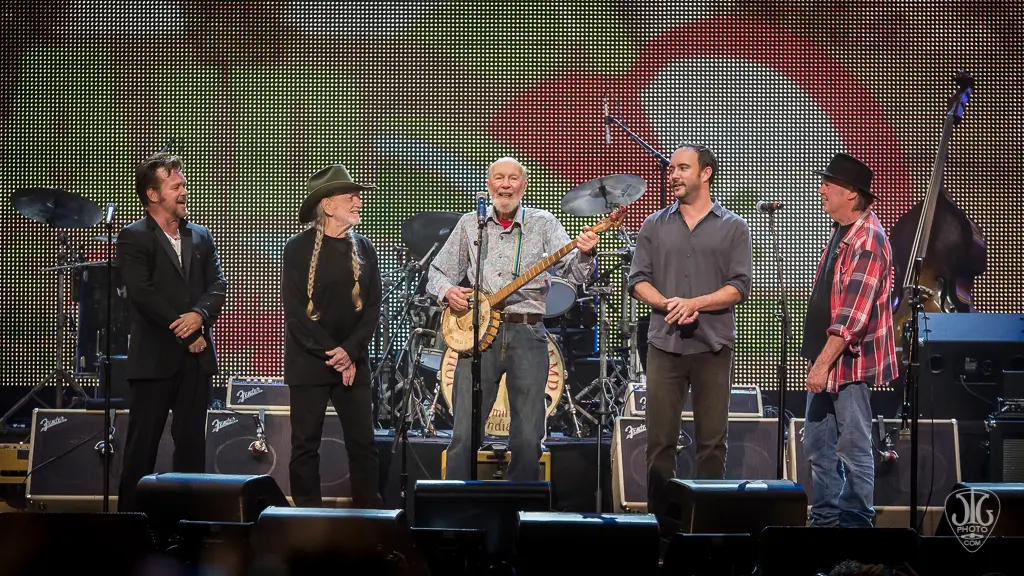
24. Farm Aid — SPAC, September 21, 2013. One of the rare years Willie Nelson, Neil Young, John Mellencamp, and Dave Matthews brought their benefit to Capital Region soil, selling out SPAC for one of the largest crowds in the venue’s history.
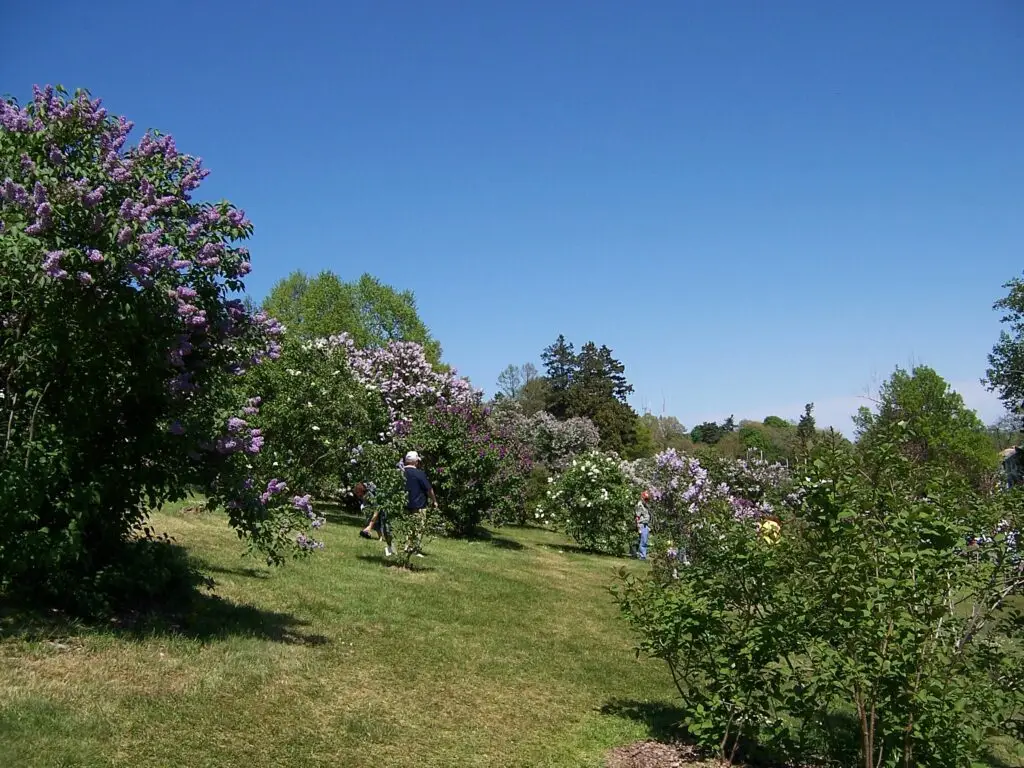
23. Rochester Lilac Festival — Rochester, 1898/1978–. Ten days, more than half a million visitors, and eighty-plus bands across the stages of Highland Park — the largest free festival of its kind in North America, and one of the oldest.
22. Bethel Woods 50th Anniversary — Bethel, August 2019. Fifty years to the weekend, original Woodstock performers — Santana, John Fogerty, Arlo Guthrie — returned to the exact field where they’d played in 1969, while the commercial “Woodstock 50” collapsed elsewhere. The hallowed ground kept the flame itself.
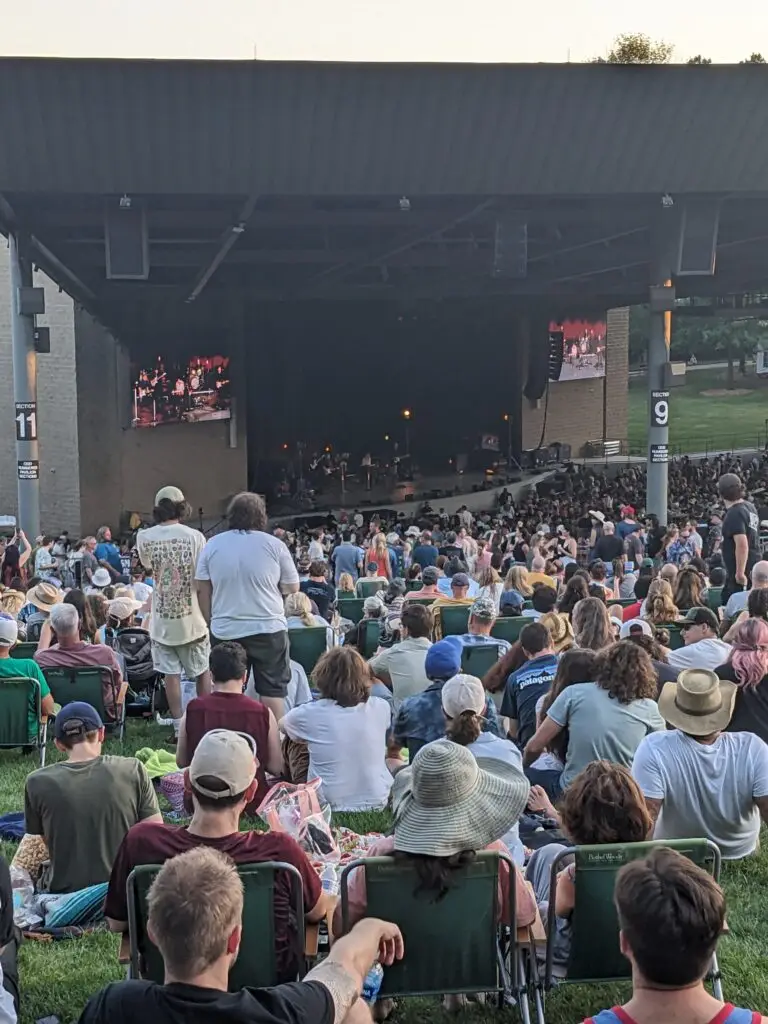
21. Clearwater’s Great Hudson River Revival — Hudson Valley, 1978–2022. Pete Seeger’s festival — America’s oldest and largest environmental music gathering, a folk-and-activism institution that raised a river’s worth of consciousness from a stage by the water.
Never miss an upstate show.
Get The Marquee — our free weekly guide to the concerts, festivals, and stories worth your time across New York.
Subscribe free →20–11: the greats
20. Falcon Ridge Folk Festival — Hillsdale, 1988–2020. For over three decades in the Berkshire foothills, the premier folk festival of the Northeast — the launching pad that helped make names of Dar Williams, Ani DiFranco, and Shawn Colvin.
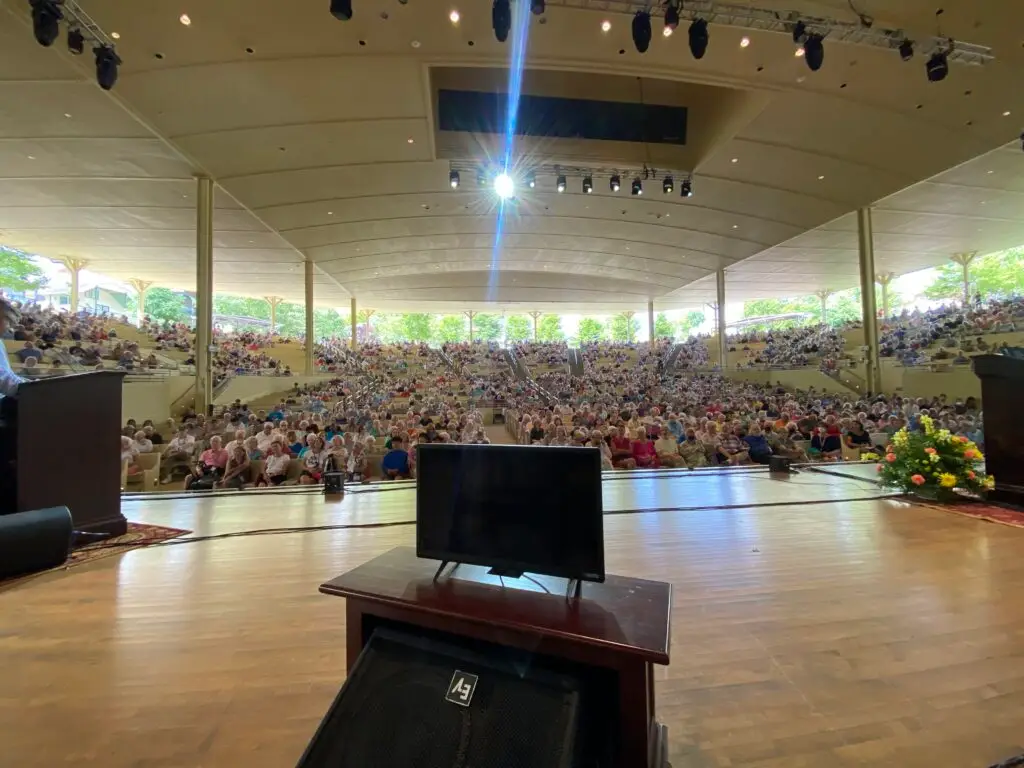
19. Chautauqua Institution — Chautauqua, 1874–. A century and a half of summer music on a lake in the far southwest corner of the state — Sousa, Ellington, and Ella Fitzgerald all graced its amphitheater, a National Historic Landmark.
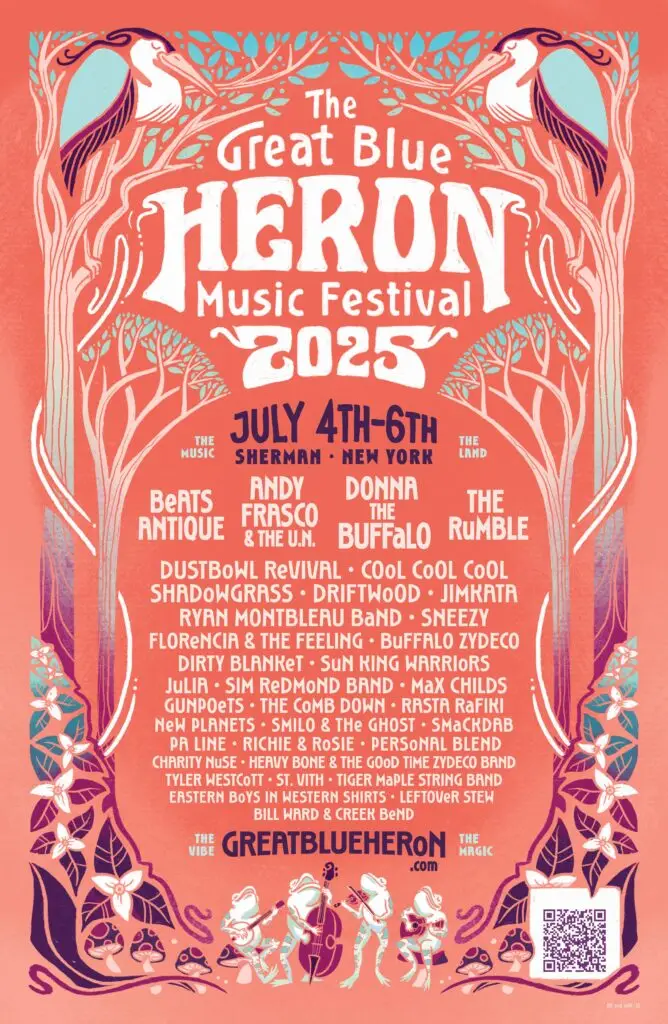
18. Great Blue Heron Music Festival — Sherman, 1992–. A family-run, entirely unsponsored roots festival in Amish country where the band Donna the Buffalo has played every single edition for more than thirty years — a streak no other festival can claim.
17. Curveball — Watkins Glen International, August 2018. The great festival that never was: Phish’s fans were on-site and the band was minutes from its soundcheck jam when a historic flood contaminated the water supply and the state pulled the permit. It remains the most heartbreaking cancellation in the region’s history.
16. Grey Fox Bluegrass Festival — Oak Hill, 1984–. The largest and longest-running bluegrass festival in the Northeast, a four-day pilgrimage for pickers that traces its roots to the Berkshire Mountain Bluegrass Festival of the 1970s.
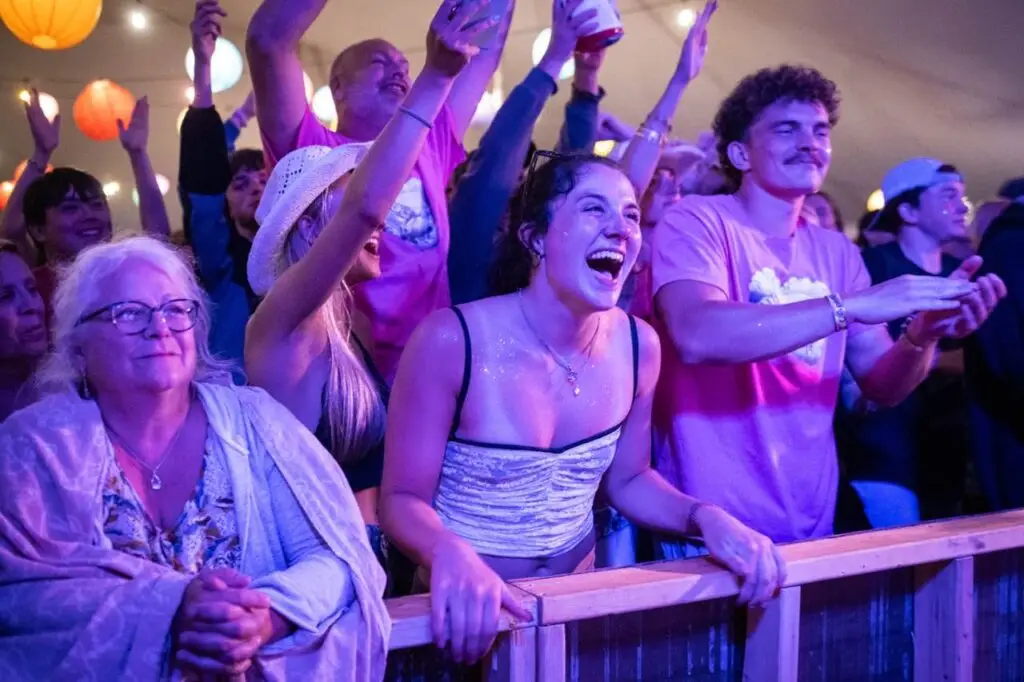
15. Super Ball IX — Watkins Glen International, July 2011. Phish broke the raceway’s thirty-eight-year concert silence — the first music at Watkins Glen since Summer Jam — and turned the ground of the biggest concert in history into their own weekend city.
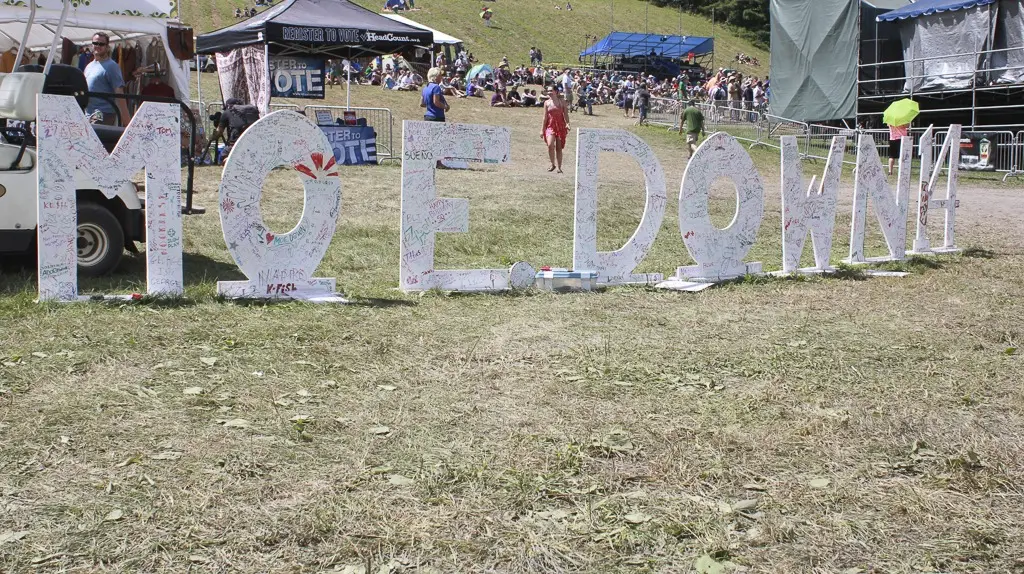
14. moe.down — Turin, 2000–2019. For nearly two decades, the Buffalo-born jam band moe. threw its own festival on a Tug Hill ski slope, one of the longest-running band-hosted campouts in the country and the beating heart of the North Country jam scene.
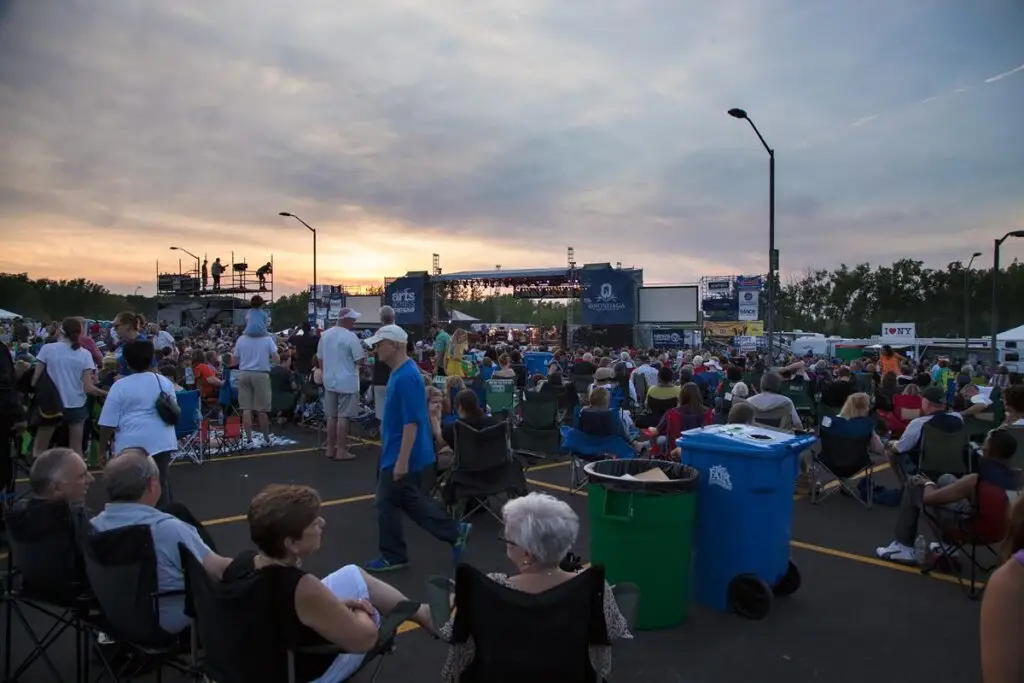
13. Syracuse International Jazz Fest — Syracuse, 1982–. The largest free jazz festival in the Northeast. When Ray Charles played in 2000, he drew 35,000 to a downtown square; over forty years the festival has hosted Dizzy Gillespie, Dave Brubeck, Sonny Rollins, and Aretha Franklin, and never once charged admission.
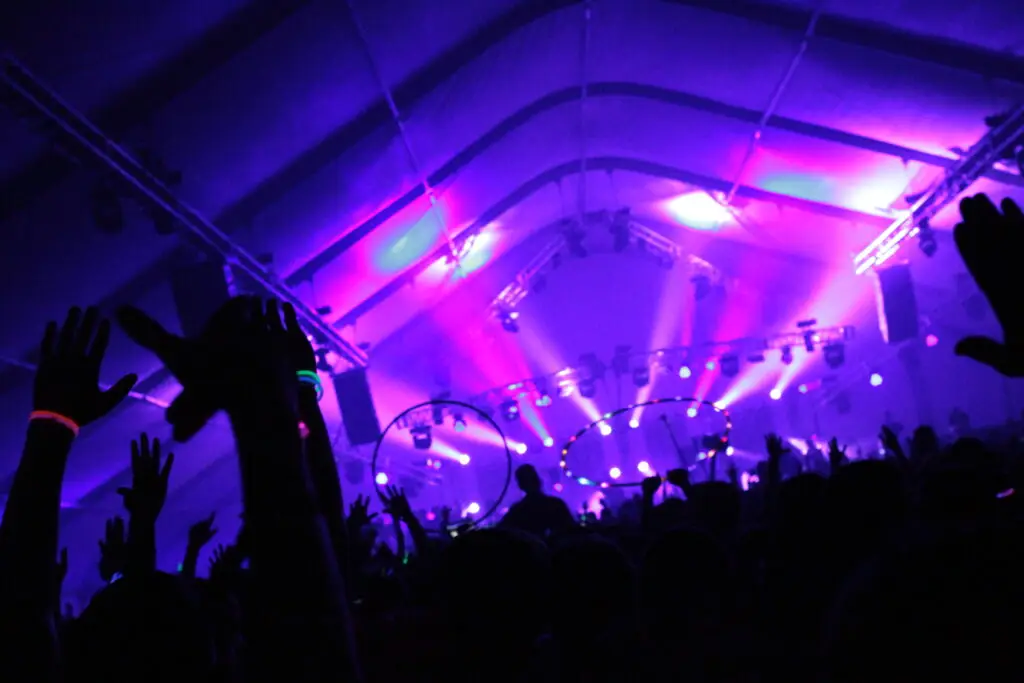
12. Camp Bisco — Mariaville/Pattersonville, 2007–2013. The Disco Biscuits’ festival was where jam-band culture collided with EDM years before the mainstream caught up — Bassnectar, Pretty Lights, and LCD Soundsystem in a Schenectady County field. Its wild, controversial New York run ended in 2014, and the festival left the state for good.
11. Maverick Concerts — Woodstock, 1916–. The oldest continuous summer chamber-music festival in America — older than the recording industry itself. It was here, in a hand-built wooden hall in the woods, that John Cage premiered “4’33″” in 1952, and here that the name Woodstock first meant music.
10–1: the immortals
10. GrassRoots Festival of Music & Dance — Trumansburg, 1991–. What began as a single AIDS-benefit concert by Donna the Buffalo grew into a four-day, four-stage institution of 75-plus bands — and spawned sister festivals as far away as North Carolina. No festival better embodies upstate’s roots-music soul.
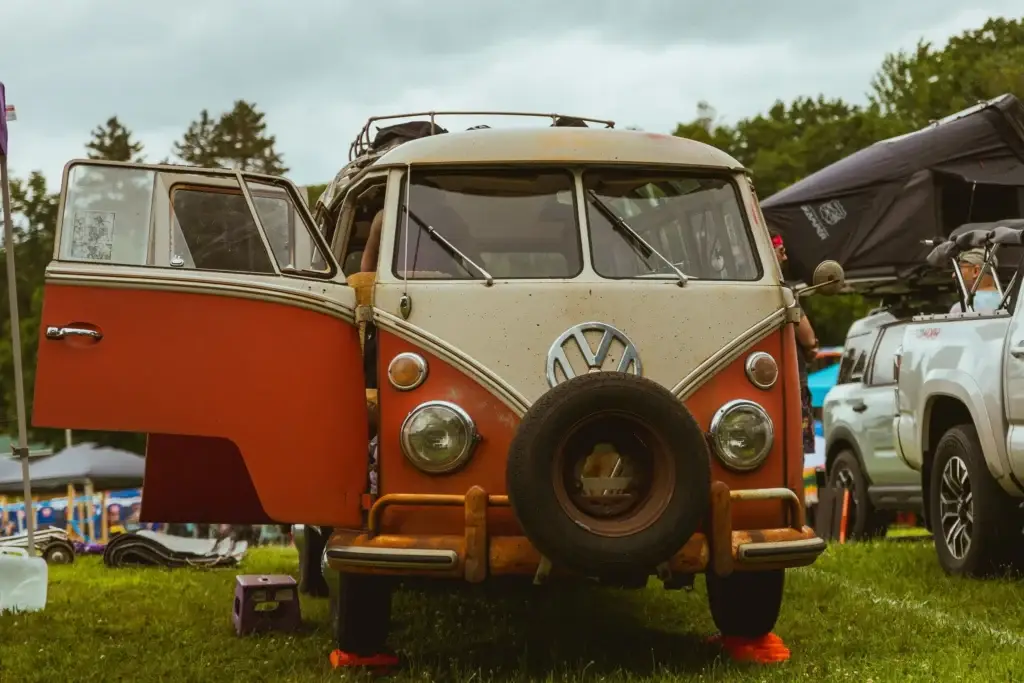
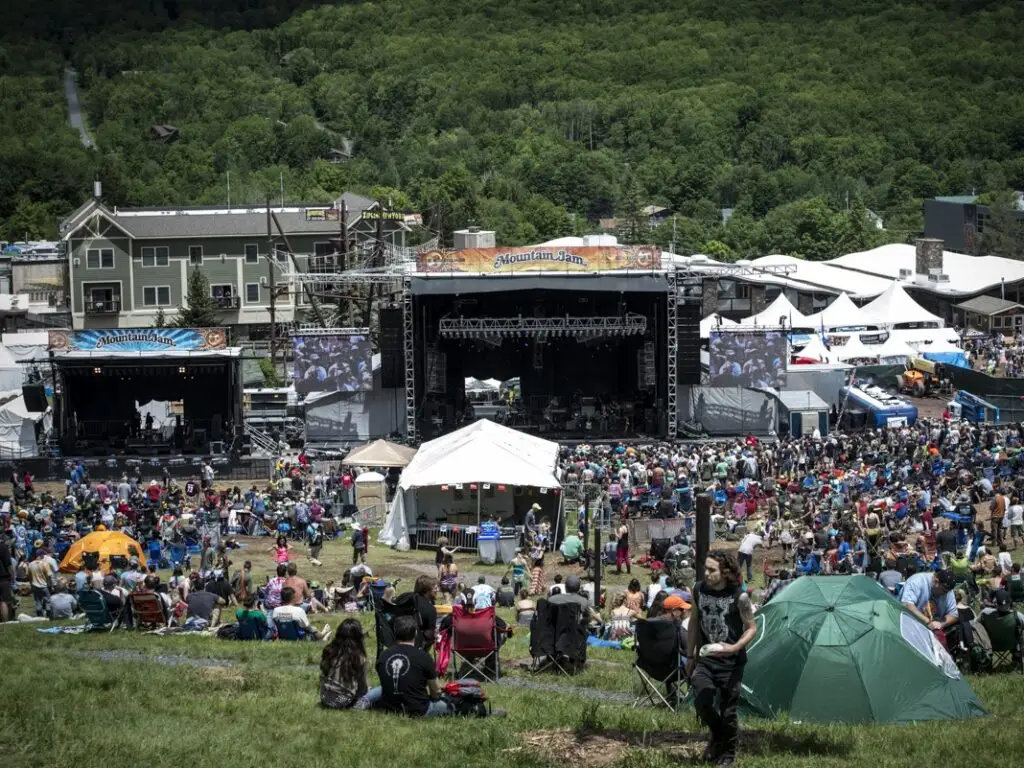
9. Mountain Jam — Hunter Mountain, 2005–2018. Born as a one-day party for Radio Woodstock’s anniversary, it became the Northeast’s flagship jam-and-rock camping festival — the Allman Brothers, Robert Plant, Tom Petty — atop a Catskills ski mountain, before a full-circle move to Bethel Woods for Woodstock’s 50th.
8. Magnaball — Watkins Glen International, August 2015. Phish’s return to the Glen at full strength — a sold-out, 40,000-strong city of light and sound, complete with a late-night ambient set projected on a drive-in movie screen. The raceway of Summer Jam, reborn as a festival ground for a new generation.
7. Freihofer’s Saratoga Jazz Festival — SPAC, 1978–. Newport Jazz impresario George Wein planted a festival at Saratoga that became the fifth-longest continuously running jazz festival in North America — nearly half a century of the music’s giants under the pines at SPAC.
6. Rochester International Jazz Festival — Rochester, 2002–. From 15,000 people in its first year to more than 200,000 today, Rochester built one of the largest jazz festivals on earth in a single generation — 300-plus shows across a downtown transformed for nine days every June.
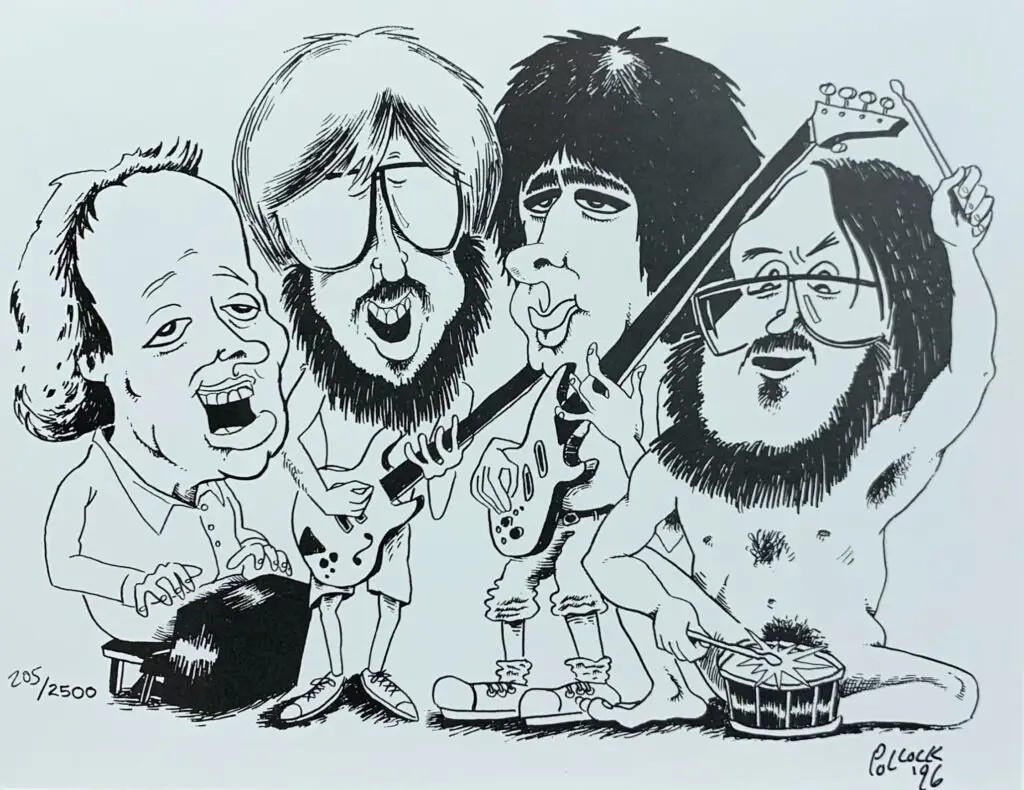
5. The Clifford Ball — Plattsburgh Air Force Base, August 1996. Phish invented the modern destination festival here — a band throwing its own multi-day campout for its own tribe rather than joining a promoter’s package. Roughly 70,000 came to a decommissioned Cold War airbase, briefly making Plattsburgh the ninth-largest city in New York, and every band festival since has followed the template drawn on that tarmac.
4. Woodstock ’99 — Griffiss Air Force Base, Rome, July 1999. The cautionary tale. A quarter-million people, brutal heat, price-gouged water, and a final night that collapsed into fires, looting, and riot police — the festival that ended the era of the giant free-for-all and became the subject of documentaries a generation later. It belongs here not for greatness but for sheer, unforgettable magnitude.
3. Woodstock ’94 — Winston Farm, Saugerties, August 1994. “Mudstock.” The twenty-fifth-anniversary edition drew some 350,000 to a Hudson Valley farm for three rain-soaked days that gave us Green Day’s mud fight, a mud-caked Nine Inch Nails, and proof that lightning — and mud — could very nearly strike twice.
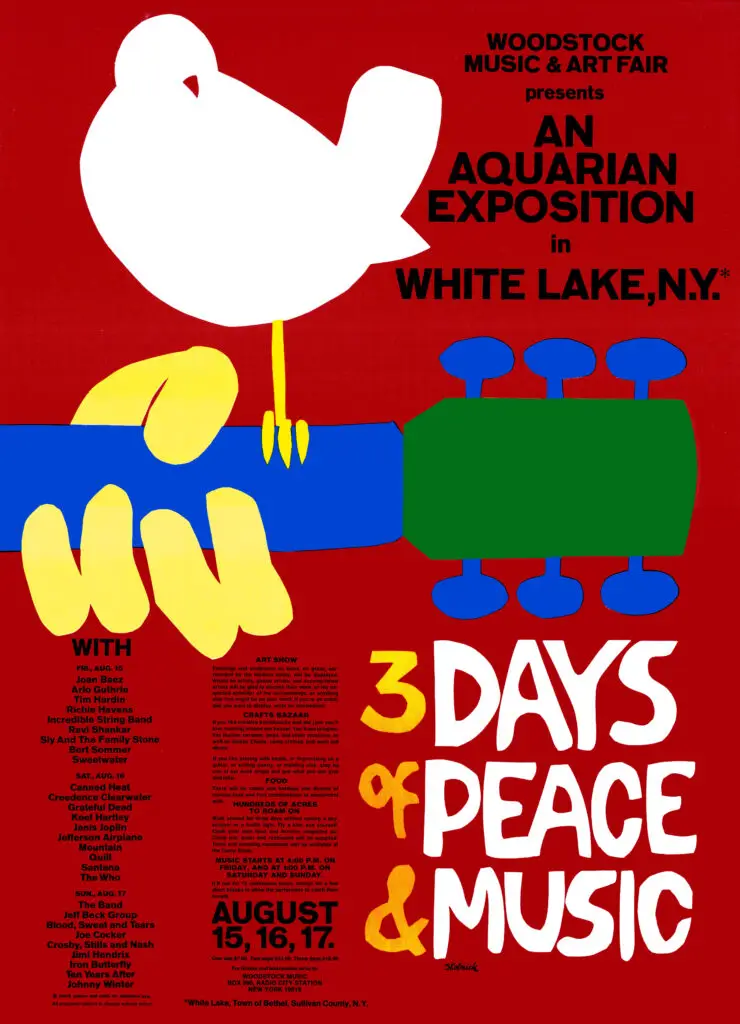
2. Woodstock — Bethel, August 15–18, 1969. Three days of peace and music on Max Yasgur’s dairy farm — some 400,000 people, a collapsed fence, Hendrix’s dawn “Star-Spangled Banner,” and the defining cultural event of a generation. It was meant for the town of Woodstock, sixty miles northeast; when that town said no, a Bethel farmer said yes, and history moved to Sullivan County. The most famous festival ever held, anywhere.
1. Summer Jam at Watkins Glen — July 28, 1973. And yet the biggest crowd this state — or this country — had ever seen came four years after Woodstock, and almost no one outside the Finger Lakes remembers it. Roughly 600,000 people; the Grateful Dead, the Allman Brothers, and The Band; a single day that held the Guinness world record for the largest audience at a pop festival for decades. One in 350 Americans. A ninety-minute all-hands encore of “Not Fade Away” as the sun went down. Bigger than Woodstock, on a racetrack, and gone almost without a trace. It is the greatest festival in the history of a state that has hosted the greatest festivals in the history of the world — and it is time upstate New York remembered it.
A festival state of mind
Why here? Why did this cold, rural, improbable stretch of America grow more legendary festivals than anywhere else? Part of it is simply land — the fields, farms, ski hills, and shuttered airbases big enough to hold a temporary city. Part of it is the colleges, dense and music-hungry, seeding a jam scene that gave the world Phish (an hour from Plattsburgh), moe. (born in Buffalo), and the Disco Biscuits’ upstate home. And part of it is a spirit that runs from Pete Seeger’s sloop on the Hudson to a farmer in Bethel to the promoters who looked at a racetrack in Watkins Glen and imagined 600,000 people. Upstate New York didn’t just host the festival era. It invented it, ruined it, mourned it, and keeps reinventing it — every summer, in a field near you.
But the land was only ever half of it. The other half was the visionaries — the men and women who stood in an empty field and saw the crowd. The lineage begins before rock itself: in 1916, the utopian writer Hervey White built a wooden concert hall by hand in the Woodstock woods and started Maverick Concerts, planting the radical idea that serious music belonged out among the trees. Half a century later, Michael Lang took that idea and detonated it at Bethel. Two young promoters, Shelly Finkel and Jim Koplik, looked at a Finger Lakes racetrack and dared to book a crowd bigger than Woodstock — and got one. George Wein, the impresario who all but invented the American music festival at Newport, carried his jazz festival to Saratoga and never left. Pete Seeger built a festival around a sailboat and a river he was determined to save. Frank Malfitano gave Syracuse four decades of world-class jazz on a handshake and a stubborn refusal to ever charge a dime. And when the bands themselves outgrew the promoters’ template, they became the visionaries: Phish walked onto a decommissioned airbase in Plattsburgh and conjured the modern destination festival out of thin air; moe. built a city on a ski hill; Robby Takac turned a Buffalo parking lot into a 20-stage celebration of his city’s underground. The through-line isn’t a genre or a decade or even a region. It’s a particular strain of upstate conviction — that if you find the right field and believe hard enough, they will come. For a hundred years, across a hundred fields, they always have.
Never miss an upstate show.
Get The Marquee — our free weekly guide to the concerts, festivals, and stories worth your time across New York.
Subscribe free →More from the series — The Greatest Concerts Ever: the 10 greatest concerts in Buffalo, Rochester, Syracuse, Albany, Ithaca, Poughkeepsie, and the North Country.
What did we get wrong? Which upstate festival belongs on this list that we left off — and where would you put Watkins Glen? Tell us on Facebook and Instagram.
This feature is part of The Greatest Concerts Ever, Upstate Concerts’ ongoing search for the most legendary nights — and now the most legendary gatherings — in New York music history.
Image Credits
Original photography by Upstate Concerts: the Farm Aid 2013 finale at SPAC, the Mysteryland USA house-of-cards main stage (2014), the fan-signed moe.down sign in Turin, and the Mountain Jam hillside crowd at Hunter Mountain. Poster memorabilia, reproduced editorially: the 1973 Summer Jam at Watkins Glen poster (art by Sokoloff / Saban / Mahn); the 1969 Woodstock festival poster (design by Arnold Skolnick); the Great Blue Heron Music Festival poster (courtesy Great Blue Heron); Jim Pollock’s 1996 Phish print from the Clifford Ball (collector memorabilia); and the Music Is Art festival poster (courtesy Music Is Art). Gap Mangione at the Rochester International Jazz Festival — photo by Daniel Penfield, CC BY-SA 4.0. Skrillex at Camp Bisco, Mariaville, 2011 — photo by Michael Nusbaum, CC BY 2.0. Additional festival and venue photographs — The Hudson Project, Bethel Woods, the Chautauqua Amphitheater, the Grey Fox Bluegrass Festival, the Syracuse Jazz Fest, the Rochester Lilac Festival, the Glimmerglass Festival’s Alice Busch Theater, the Spiedie Fest balloon rally, and GrassRoots camping — via festival press materials and community sources. Contact us for credit or removal of any image.